
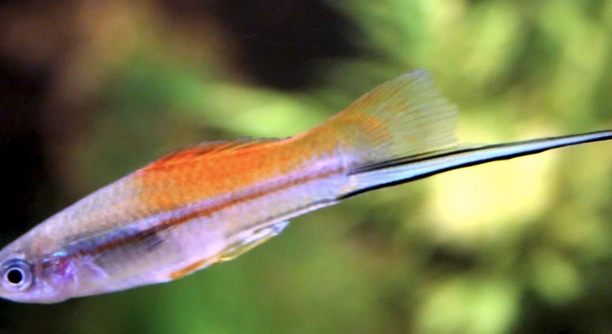
Swordtail fish are a popular choice for aquariums, but breeding them can be tricky. Many common mistakes can cause unnecessary stress to both the fish and the breeder. Understanding these issues is essential for a healthy breeding process.
Breeding mistakes in swordtails often result from improper water conditions, overpopulation, poor nutrition, and neglecting their social needs. These factors can lead to stress, poor health, or even death among the fish. Adjusting these aspects improves breeding success.
By learning about these breeding mistakes, you can ensure better care for your swordtails and create an ideal environment for their health and growth.
Incorrect Water Conditions
Water quality is one of the most important factors for successful breeding in swordtails. Poor water conditions can stress your fish, leading to health issues and unsuccessful breeding. Swordtails thrive in slightly acidic to neutral water, with a temperature between 74°F and 79°F (23°C to 26°C). If the water is too hard or too soft, it can cause problems with breeding. Water changes should be regular but not too frequent, as sudden shifts can stress the fish. Additionally, poor filtration or high ammonia levels can lead to poor water quality.
Maintaining the right water conditions for swordtails is essential to avoid health issues. Regular testing of pH, ammonia, nitrite, and nitrate levels ensures they stay within optimal ranges.
Keep in mind, water changes should be gradual. This prevents shocking the fish, keeping them in a stable environment. Always monitor water conditions closely to promote successful breeding and the overall well-being of your swordtails.
Overpopulation
Too many swordtails in a tank can cause stress. When overcrowded, fish compete for resources, which can lead to aggression. This stress often results in lower breeding rates.
To prevent this, make sure your tank is appropriately sized for the number of swordtails you have. A general rule is to have 1 inch of fish per gallon of water.
A well-sized tank ensures each swordtail has enough space to swim freely. This reduces stress and creates a more peaceful environment. When swordtails feel safe, they are more likely to breed successfully. Overpopulation can also lead to higher waste levels, making it harder to maintain water quality. Always keep the tank population under control for a healthier environment and better breeding outcomes.
Poor Nutrition
Swordtails require a balanced diet to stay healthy and breed properly. If your fish aren’t getting the proper nutrients, they may experience stress, weakened immune systems, and poor reproductive health. A diet that includes high-quality flake food, pellets, and occasional live or frozen foods will give them the nutrition they need. Offering a variety of food ensures they get all the essential vitamins and minerals.
It’s also important to avoid overfeeding, as uneaten food can lead to water quality issues, further adding stress. Aim for two to three small feedings per day, ensuring the fish eat everything within a few minutes.
Providing optimal nutrition helps maintain swordtails’ overall health and supports their breeding capabilities. By paying attention to what they eat, you can ensure that your fish are healthy and ready for breeding. A good diet not only promotes successful reproduction but also improves their overall quality of life.
Lack of Socialization
Swordtails are social creatures, and they need interaction with other fish. A lack of socialization can cause stress, impacting their breeding behavior. If you house swordtails alone or with incompatible tankmates, they might become stressed or even aggressive, preventing them from breeding.
The best way to prevent this is to maintain a well-balanced tank with both males and females. It’s also important to have enough hiding spaces and territories to avoid territorial disputes. Properly introducing new tankmates is crucial to maintaining peace in the tank.
A healthy social environment supports the mental well-being of swordtails. When swordtails feel comfortable with their tankmates, they are more likely to breed. Socialization is essential for reducing stress and encouraging natural behaviors in these active fish. Proper tank setups will ensure your swordtails thrive and breed successfully.
Inadequate Tank Size
Swordtails need plenty of space to thrive, especially during breeding. A tank that is too small increases stress and can even inhibit breeding. A 20-gallon tank is a good minimum for a small group of swordtails. Smaller tanks lead to poor water circulation, causing more harm than good.
If your tank is overcrowded or too small, swordtails will feel cramped. This limits their ability to move freely and breed naturally. Stress levels increase as fish struggle for space and resources. A spacious tank not only provides room for movement but also allows for better filtration and water quality.
Keeping swordtails in a larger tank encourages healthier growth and better social interactions. It also minimizes territorial issues, making breeding conditions more favorable. If your swordtails have ample space, you’re more likely to see successful breeding outcomes and happier fish. Avoiding a cramped environment is key to maintaining a healthy tank.
Stress from Poor Tank Maintenance
Neglecting regular tank maintenance can quickly lead to stress for your swordtails. Dirty tanks cause poor water quality, which directly affects the health and breeding behavior of your fish. Regular water changes and proper filtration systems are essential for maintaining optimal water conditions.
By keeping the tank clean and properly filtered, you prevent harmful bacteria buildup, algae overgrowth, and high waste levels. Regularly testing the water and replacing old filters helps keep the environment stable for your swordtails. This reduces the chances of illness and stress-related issues.
A well-maintained tank creates a healthy habitat where swordtails can thrive. It also minimizes the risks of waterborne diseases, ensuring that your fish are not stressed by harmful conditions. Your swordtails’ well-being and breeding success largely depend on how well you care for their tank.
Overfeeding
Overfeeding your swordtails can cause more harm than good. Excess food leads to poor water quality and obesity, both of which can stress the fish. Swordtails should be fed small amounts multiple times a day, ensuring they eat everything without leftovers.
Leftover food quickly decomposes in the tank, releasing toxins that harm water quality. Overfeeding also affects swordtails’ metabolism, leading to fat buildup and decreased activity. This can lower their breeding chances and make them more susceptible to diseases. Keeping feedings controlled helps maintain both healthy fish and water.
Feeding swordtails in small portions will not only maintain water quality but also ensure they stay active and healthy. Keeping track of feeding habits is essential for preventing overfeeding and improving overall tank conditions. A balanced approach supports better growth and breeding results.
Incompatible Tank Mates
Swordtails are peaceful but can become stressed when housed with aggressive or overly territorial species. Incompatible tank mates can lead to constant harassment, preventing swordtails from thriving and breeding. Careful selection of tank mates is crucial to their well-being.
Avoid adding fish that are overly aggressive or too large for your tank. It’s best to house swordtails with other peaceful species like guppies or tetras. Always observe interactions to ensure no fish are being stressed or harmed. With compatible tank mates, swordtails can live in harmony and breed without interruptions.
The right tank mates help create a calm and stable environment, reducing stress and supporting successful breeding. Providing a peaceful community for your swordtails is key to their health and reproductive success. Choose wisely to ensure a stress-free experience for your fish.
Lack of Privacy
Swordtails, especially females, need privacy to breed comfortably. If they don’t have enough hiding spots, they may feel exposed and stressed. Provide plenty of plants, rocks, or decorations where they can retreat and feel secure.
Privacy helps swordtails relax and breed without constant disturbance. A cluttered environment makes the fish feel safe and reduces their stress levels. With places to hide, swordtails are more likely to engage in natural breeding behavior. Privacy encourages breeding and promotes healthy fish.
Adding these hiding spots ensures a comfortable space for swordtails to thrive. A secure environment leads to more successful breeding and less stress. Proper tank decorations and structure are key to fostering a peaceful atmosphere for your fish.
FAQ
Why are my swordtails not breeding?
Swordtails may not breed for various reasons, including poor water conditions, stress, or an imbalanced diet. Ensure the water temperature is between 74°F and 79°F, the pH level is slightly acidic to neutral, and the tank is not overcrowded. Also, provide a varied and nutritious diet. Swordtails need both male and female fish to breed, so check if the gender ratio is appropriate. If your fish are stressed or their environment is not conducive to breeding, they may avoid mating.
How do I know if my swordtails are stressed?
Stressed swordtails often display unusual behavior, such as erratic swimming, hiding constantly, or becoming less active. Stress can also cause fin clamping, where the fins are held close to the body, or loss of appetite. If you notice these signs, check the water parameters, tank mates, and overall environment. Stress can also be caused by overcrowding, poor water quality, or aggressive tank mates. Reducing stress factors can help your swordtails return to their normal behavior.
What should I do if my swordtails are not eating?
If your swordtails stop eating, it may indicate an underlying issue. Start by checking the water quality for ammonia, nitrites, or high nitrate levels, which can affect their appetite. Also, ensure the temperature is within the ideal range and the food is fresh. Swordtails can be picky eaters, so try offering a variety of foods, such as high-quality flakes, frozen, or live foods like brine shrimp or bloodworms. If they still refuse to eat, check for signs of illness or consult an aquarium professional.
Can swordtails breed in a community tank?
Yes, swordtails can breed in a community tank, but only if the environment is suitable. Ensure that there are no overly aggressive tank mates and that the water conditions are ideal. A balanced male-to-female ratio is crucial for successful breeding. It’s also important to have enough hiding spaces for the female to feel secure. If there are other species that may harass the swordtails, breeding chances will be reduced. If you want to protect fry, consider adding some plant cover or a separate breeding tank.
How do I care for swordtail fry?
Once your swordtails have bred, you may end up with small fry. These tiny fish need special care, especially in the first few weeks of life. First, ensure they have plenty of hiding places from adult swordtails, which may see them as food. Provide fine-leafed plants, artificial plants, or breeding nets to protect the fry. Feed the fry specialized fry food or finely crushed flakes. Keep the water quality high, and perform frequent water changes to keep the environment clean.
How often should I feed my swordtails?
Swordtails should be fed small amounts two to three times per day. Overfeeding can lead to water quality problems, while underfeeding can stunt their growth. Provide a varied diet that includes high-quality flakes, pellets, and occasional live or frozen foods like brine shrimp or bloodworms. Swordtails will eat whatever they can consume in about two to three minutes, so avoid leaving food in the tank to prevent contamination.
Do swordtails need a filter?
Yes, swordtails need a filter to maintain clean water and promote a healthy environment. Filtration helps remove waste, excess food, and toxins like ammonia and nitrates. Ensure your filter is appropriate for the size of your tank. A good filtration system will keep the water clear, reduce the risk of disease, and help maintain stable water parameters. Make sure the filter is not too strong, as swordtails prefer calmer water.
What temperature should I keep my swordtail tank at?
Swordtails thrive in water temperatures between 74°F and 79°F (23°C to 26°C). Maintaining a consistent temperature within this range promotes healthy fish and supports breeding. Sudden temperature fluctuations can stress the fish, causing them to become more vulnerable to illness. A heater can help maintain the ideal temperature, especially in cooler climates or during the winter months.
How can I tell if my swordtail is male or female?
Male swordtails are typically smaller and more colorful than females, with an extended tail fin that resembles a sword, hence their name. Female swordtails are larger, more rounded, and lack the distinct sword-like tail. The difference in size and fin shape is most noticeable once they reach maturity. Males are also more active and may display their tail to attract females.
Can I breed swordtails with other types of fish?
While swordtails can breed with other species of the Xiphophorus genus, it’s generally not recommended to crossbreed with different species. Crossbreeding can lead to hybrid offspring with unpredictable traits, which may not be as healthy or as visually appealing. If you’re looking to breed pure swordtails, it’s best to keep them with other swordtails or closely related species like platies or guppies. However, make sure that any tank mates are compatible in terms of behavior and water requirements.
Why are my swordtail fry dying?
There are several potential reasons for swordtail fry mortality. Poor water quality is a common cause, especially if ammonia or nitrite levels are too high. Fry are also highly sensitive to sudden changes in temperature or water conditions. Inadequate food sources, lack of hiding spots, or predation by adult fish can also contribute to high fry mortality rates. Make sure to provide a safe, clean environment with plenty of space and food for the fry to grow.
Can swordtails live with other species?
Swordtails can live peacefully with other species if the tank is well-managed. It’s best to house them with other peaceful fish like tetras, danios, or guppies. Avoid aggressive species or those that might harass or outcompete swordtails for resources. Be mindful of the fish’s water and temperature requirements, and ensure your tank is large enough to support the species you’re keeping together.
How do I encourage swordtails to breed?
To encourage swordtails to breed, ensure that their environment is ideal. This includes maintaining the proper water temperature, pH levels, and providing a suitable male-to-female ratio. Swordtails need both males and females to breed successfully. Create a calm, low-stress environment by avoiding aggressive tank mates and offering hiding spots for the females. A nutritious diet with live or frozen foods also encourages breeding. Additionally, ensuring that the tank is spacious and not overcrowded will help them feel comfortable and ready to breed.
Are swordtails good for beginners?
Swordtails are a great choice for beginners due to their hardiness and ease of care. They are adaptable to various water conditions, although maintaining the correct temperature and pH is important. Swordtails also tend to be peaceful and can be housed with other non-aggressive species. Their ability to thrive in both small and large tanks makes them a popular choice. However, new fish keepers should still ensure they understand their specific needs for breeding, tank maintenance, and tank mates.
Final Thoughts
Swordtails are a great addition to many home aquariums due to their vibrant colors and relatively easy care. However, breeding them successfully requires careful attention to their environment and needs. Factors like water temperature, quality, and tank mates all play a role in creating a stress-free environment for both males and females. Without these considerations, swordtails may experience stress, which can hinder their ability to breed or lead to health problems. By creating a stable, peaceful environment, swordtails can thrive and breed naturally. Understanding these basic needs can make all the difference in keeping your swordtails healthy and happy.
Proper breeding practices are essential for the well-being of both the adult swordtails and their fry. Keeping an appropriate male-to-female ratio, providing enough hiding spots, and avoiding overcrowding are all important factors in encouraging breeding. Additionally, monitoring the health of your swordtails and addressing any signs of stress or illness can help keep your fish active and breeding. Being mindful of their diet is just as important. Offering a varied, balanced diet with high-quality food will keep your swordtails healthy, supporting their breeding potential. Regular water changes and maintaining the right water parameters are key to keeping everything running smoothly.
In conclusion, swordtail care is not difficult once you know what to look for and how to maintain their environment. Ensuring the right conditions for breeding, watching out for stress signs, and providing a suitable tank setup are all crucial to having healthy, happy swordtails. Whether you are looking to add them to your aquarium for their beauty or breed them successfully, following these basic guidelines will help ensure that your swordtails thrive. With the right care, swordtails can live long, healthy lives, and breeding them can be a rewarding experience.

Hello,
If you enjoy the content that we create, please consider saying a "Thank You!" by leaving a tip.
Every little bit helps us continue crafting quality advice that supports the health, happiness, and well-being of pets around the world, for pets of all shapes, sizes, and species.
We really appreciate the kindness and support that you show us!