
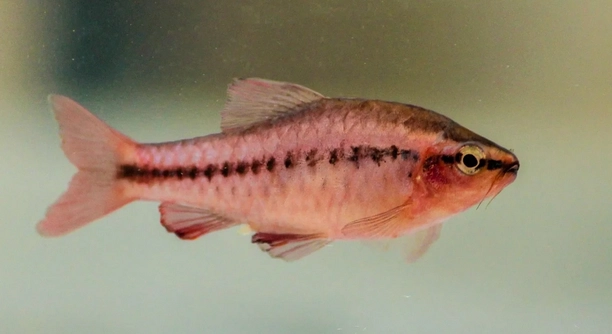
Breeding Cherry Barbs can be an exciting challenge, but even experienced owners can make mistakes that affect the process. Understanding what can go wrong is key to successful breeding and healthy fish.
Common breeding mistakes include improper tank conditions, neglecting water quality, and failing to provide suitable hiding places for the eggs. These issues can cause stress to the fish and decrease the chances of successful breeding.
By being aware of these common pitfalls, you can create a better environment for your Cherry Barbs and improve breeding results. Let’s look into the main issues and how to fix them.
Not Providing Enough Hiding Spots for Eggs
When breeding Cherry Barbs, one common mistake is not offering enough hiding spots for the eggs. Cherry Barbs prefer a calm and safe environment, especially when laying eggs. If they feel exposed, they may abandon their eggs or eat them. Creating hiding places using plants, rocks, or breeding mats can help ensure the eggs are protected from potential stressors.
A well-planted tank or breeding setup is vital to ensure the Cherry Barbs feel secure. Floating plants can give the fish a place to retreat, which reduces their anxiety. Additionally, breeding mats can make it easier for eggs to settle and stay safe until they hatch.
Without proper protection, Cherry Barb eggs are more likely to be eaten or damaged. Providing secure spots allows the eggs to develop in peace, leading to a more successful breeding process. When setting up a tank for breeding, always prioritize hiding places for both the adults and the eggs.
Neglecting Water Quality
Water quality is another essential factor for breeding success.
Maintaining stable water parameters—such as temperature, pH, and hardness—is crucial. Poor water quality can cause stress and even harm to the fish, affecting breeding behavior and egg viability. Regular water changes and the use of a reliable filtration system will keep the tank clean and healthy for the breeding process.
Not Using a Separate Breeding Tank
Using a separate breeding tank is crucial for a successful breeding setup.
Cherry Barbs can become stressed if kept in a community tank during breeding. The presence of other fish, especially aggressive ones, can disrupt the breeding process or lead to egg predation. By setting up a dedicated breeding tank, you create a more controlled environment, ensuring the Cherry Barbs have a better chance at successfully breeding and raising their offspring. A breeding tank should be equipped with gentle filtration and plenty of hiding spots to protect both the eggs and the adults.
Without a separate tank, there is a higher risk of unsuccessful breeding attempts. In a shared tank, other fish may eat the eggs, chase the breeders, or create unfavorable conditions. A separate tank eliminates these risks and gives the Cherry Barbs the best chance at thriving during the breeding process.
Overfeeding During Breeding
Overfeeding is a common mistake during the breeding process.
While it’s important to ensure your Cherry Barbs are well-fed, overfeeding can lead to water quality issues. Excess food can quickly decay and affect the water parameters, causing spikes in ammonia or nitrite levels, which can be harmful to both adults and eggs. It’s essential to provide a balanced, moderate diet and remove any uneaten food from the tank promptly. Overfeeding not only risks water quality but can also affect the breeding fish’s health, leading to stress or bloating, which can negatively impact their ability to breed successfully.
Instead, offer small, frequent feedings that the fish can consume quickly. Adjust the amount based on the number of fish and their activity levels. It’s also important to provide a variety of food, including live or frozen options like brine shrimp, to encourage healthy breeding behavior. Avoid leaving excess food in the tank, as this can lead to problems like increased algae growth or water contamination.
Using the Wrong Substrate
Using the wrong substrate can cause problems during breeding.
Cherry Barbs prefer soft, fine substrates like sand or smooth gravel. A coarse substrate can make it harder for eggs to settle properly and may even damage them. Ensure you select the right substrate to create a comfortable and natural environment for the fish.
A fine substrate also helps with cleaning the tank, as uneaten food and waste can be removed more easily. The right substrate can enhance both the breeding process and the overall health of your fish. It’s an often-overlooked factor that plays a big role in breeding success.
Incorrect Temperature
Maintaining the correct water temperature is essential for breeding success.
Cherry Barbs breed best in temperatures between 74°F and 78°F. Too high or too low can stress the fish, preventing them from breeding or affecting egg development. Temperature fluctuations should be avoided, as they can impact the fish’s ability to breed properly.
A stable temperature will create a more predictable breeding environment. Using a reliable aquarium heater can help maintain this ideal temperature range. It’s essential to monitor the water temperature regularly to ensure it stays within the optimal range for breeding.
Ignoring Fish Behavior
Understanding Cherry Barb behavior is vital for successful breeding.
Observing the fish during the breeding season will help you recognize when they’re ready to breed. Male Cherry Barbs become more vibrant and may start chasing females or displaying courting behaviors. Ignoring these signs can result in missed breeding opportunities.
FAQ
What is the best tank size for breeding Cherry Barbs?
A 20-gallon tank is ideal for breeding Cherry Barbs. While they can breed in smaller tanks, a 20-gallon tank provides enough space for the fish to swim and breed comfortably. It also gives you room to maintain stable water parameters. A larger tank can help reduce stress and provide a better environment for both the adults and the eggs. Be sure to provide hiding spots and plants to create a safe space for the fish.
Do Cherry Barbs breed in community tanks?
While it’s possible for Cherry Barbs to breed in a community tank, it’s not always the best option. The presence of other fish, especially more aggressive species, can stress the breeding fish and cause them to abandon or eat their eggs. Additionally, other tank mates might consume the eggs. If you want to increase the chances of successful breeding, it’s better to move the Cherry Barbs to a separate breeding tank.
What water conditions do Cherry Barbs need for breeding?
Cherry Barbs prefer slightly acidic to neutral water, with a pH between 6.5 and 7.5. The water temperature should be between 74°F and 78°F to encourage breeding. The hardness of the water should be soft to medium, around 5-15 dGH. Regular water changes are important to maintain the quality and prevent the buildup of harmful toxins.
How can I tell if my Cherry Barbs are ready to breed?
Male Cherry Barbs display brighter colors and become more active when ready to breed. During this time, they will often chase females and perform displays to attract their attention. Females, on the other hand, will become rounder and fuller with eggs. Watching their behavior closely can help you identify when they are ready to spawn.
How do I encourage breeding in Cherry Barbs?
To encourage breeding, ensure the water temperature is in the ideal range and that the tank conditions are stable. Providing plenty of plants, such as Java Moss or floating plants, will give the fish places to hide and lay eggs. A diet rich in live or frozen foods like brine shrimp can also help trigger the breeding process.
How do I protect Cherry Barb eggs?
Cherry Barbs lay eggs on plants, rocks, or breeding mats. To protect the eggs from being eaten by the adults, remove the breeding pair after spawning. Placing the eggs in a separate hatching tank with gentle filtration can help keep them safe. Ensure that the new tank has the same water parameters to prevent any shock to the developing eggs.
Do I need a separate breeding tank for Cherry Barbs?
Yes, having a separate breeding tank is highly recommended. A dedicated breeding tank allows you to control the water conditions more effectively and reduces the risk of egg predation. It also minimizes stress on the fish, giving them a better chance of breeding successfully.
How long does it take for Cherry Barb eggs to hatch?
Cherry Barb eggs typically hatch in about 24-48 hours, depending on the water temperature. The warmer the water, the quicker the eggs will hatch. After hatching, the fry will stay near the bottom of the tank for a few days, feeding on their yolk sac before becoming free-swimming.
What should I feed Cherry Barb fry?
Cherry Barb fry should be fed small foods such as infusoria, rotifers, or newly hatched brine shrimp. As they grow, you can gradually introduce crushed flakes or specialized fry food. It’s important to feed them small amounts frequently to ensure they are getting enough nutrients to grow.
Can Cherry Barbs breed year-round?
Yes, Cherry Barbs can breed year-round if conditions are ideal. Maintaining stable water parameters, providing proper nutrition, and ensuring the fish are not stressed can allow for continuous breeding. However, there may be slight seasonal variations in breeding behavior, depending on the environment.
How many eggs do Cherry Barbs lay at once?
Cherry Barbs can lay anywhere from 50 to 200 eggs in a single spawning event. The eggs are often deposited on plants or other surfaces in the tank. Not all of the eggs may survive, especially if the water conditions are not ideal or if they are not properly protected from the adults.
Why aren’t my Cherry Barbs breeding?
If your Cherry Barbs aren’t breeding, there could be several reasons. The water temperature might be too low, the pH or hardness may not be suitable, or the fish may not feel secure enough to breed. Stress from tank mates or improper tank conditions can also interfere with their breeding behavior. Ensuring all parameters are within the ideal range can help trigger breeding.
How can I identify male and female Cherry Barbs?
Male Cherry Barbs are generally smaller and more colorful than females, with vibrant red hues and an iridescent sheen. Females are typically larger and rounder, especially when they are carrying eggs. The difference in coloration becomes more apparent during the breeding season, making it easier to distinguish between the sexes.
Final Thoughts
Breeding Cherry Barbs can be a rewarding experience if you understand the basic needs of these fish and avoid common mistakes. A proper environment with stable water conditions is essential for the breeding process. Temperature, pH, and water hardness must be carefully monitored to ensure the fish are in optimal conditions. If you follow the guidelines for breeding, you’ll have a better chance of success.
Another key aspect of breeding is maintaining a stress-free environment for the Cherry Barbs. Using a separate breeding tank is highly recommended, as it eliminates the risk of other fish interfering with the breeding process. The tank should have plenty of hiding spots for the fish and a soft substrate for the eggs. Providing a nutritious diet and avoiding overfeeding will also help in achieving successful breeding.
Finally, be patient. Breeding can take time, and not every attempt will be successful. It’s important to stay observant and address any issues that arise, such as poor water quality or stressed fish. With the right setup and care, your Cherry Barbs will have a better chance of breeding and producing healthy fry.

Hello,
If you enjoy the content that we create, please consider saying a "Thank You!" by leaving a tip.
Every little bit helps us continue crafting quality advice that supports the health, happiness, and well-being of pets around the world, for pets of all shapes, sizes, and species.
We really appreciate the kindness and support that you show us!