
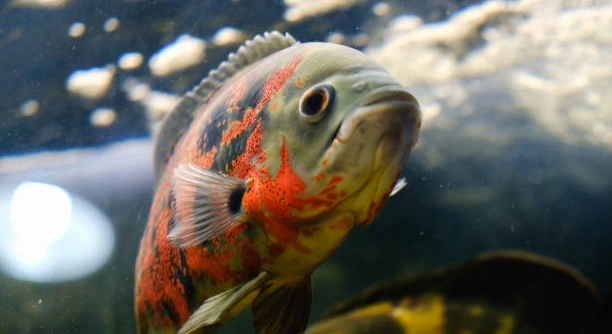
Oscar fish are known for their vibrant colors and strong personalities. If you are a fish enthusiast, you may have noticed that their breeding habits can be quite unique. Understanding these behaviors can be helpful for any Oscar fish owner.
Oscar fish are known for their unique breeding habits, including forming strong bonds with a mate, creating elaborate nests, and fiercely defending their territory during the breeding process. They exhibit parental care, with both parents participating in guarding eggs and fry.
These fascinating behaviors are not just about reproduction, but also about the survival of the young. Learning more about these practices can give you a deeper appreciation for these incredible fish.
Unique Pair Bonding
Oscar fish are known for forming strong pair bonds when it comes to mating. These bonds often last throughout the breeding season and sometimes beyond. Once they’ve chosen a mate, the pair will stick together and take part in the breeding process. This bond is essential for their reproductive success. Male and female Oscars display clear signs of attraction to one another, including color changes and unique behaviors. They will often spend a lot of time near each other before laying eggs.
Oscar fish typically select a safe spot, often near plants or rocks, to create a nest. This space will be fiercely guarded by both the male and female. The male typically takes on the responsibility of chasing away any threats to the nest, while the female is busy laying eggs. This mutual cooperation shows just how strong the bond is between the pair.
Pair bonding is crucial for ensuring the survival of the offspring. When Oscar fish feel safe and secure with their mate, the entire breeding process becomes smoother. The presence of a reliable partner increases the chances of their eggs hatching successfully.
Nest Building
Nest building is a significant part of the breeding process for Oscar fish. They will carefully prepare a spot where the female can lay her eggs, usually on a flat surface. This area is then guarded to protect the eggs from other fish and potential threats.
Both the male and female work together to create the ideal nest. The male tends to choose a flat rock or surface to secure the eggs, while the female ensures the eggs are carefully laid. Afterward, both parents will stay close, making sure nothing comes too near the nest. These nests act as a secure environment for the eggs, ensuring they stay safe while they develop.
By taking the time to build a strong nest, Oscar fish increase the chances of their eggs hatching. The nest also provides a safe environment for the young fish, making it easier for them to survive their early stages of life.
Parental Care
Oscar fish exhibit a high level of parental care. Both parents actively guard the eggs, ensuring they are protected from any threats. They will chase away other fish and even defend the area from potential predators.
Once the eggs hatch, the parents continue to watch over their fry. They will guide the young fish to find food and protect them from danger. As the fry grow, the parents remain vigilant, ensuring they stay safe. This constant care from both parents helps increase the survival rate of the offspring. The commitment of both the male and female Oscars is essential in raising healthy young fish.
Parental care is not just about protection. It also involves teaching the fry essential survival skills. The parents actively show them where to find food and how to avoid predators. As the fry mature, they become more independent, but the parents remain present to offer guidance when needed.
Aggression During Breeding
During the breeding season, Oscar fish can become particularly aggressive. This aggression is often directed toward other fish that come too close to their nest or territory. Both male and female Oscars will display aggressive behavior to defend their space.
The aggression is not only limited to other fish but can also be directed at anything that seems like a threat to their eggs. They might chase away tank mates and even show territorial behaviors like flaring their fins and opening their mouths. This aggressive nature ensures that the nest remains undisturbed and the eggs are not eaten by other fish.
Such behavior is typical of many fish species during their breeding period. It is essential to make sure that other fish do not pose a threat to the Oscars during this time. Removing other aggressive fish or providing plenty of space can help avoid unnecessary stress for the Oscar pair.
Egg Care
Oscar fish take great care in watching over their eggs. After the female lays them, the parents remain close, ensuring no harm comes to their offspring. They will actively guard the eggs and may even move them to a safer spot if they feel threatened.
Both male and female Oscars use their mouths to clean and protect the eggs. The male will often swim around, fending off any potential threats while the female stays close to the eggs. If they sense any danger, they will aggressively chase away intruders. The eggs require consistent attention, as any neglect could lead to their destruction.
The parents’ vigilance plays a key role in ensuring the eggs’ survival. Without constant care, the eggs would be vulnerable to parasites, other fish, or water conditions. Both parents play a crucial role in keeping the eggs safe until they hatch.
Fry Development
Once the eggs hatch, Oscar fish fry are left in the care of their parents. Initially, the fry are small and fragile, relying on their parents for protection and guidance. The parents continue to protect them from predators and ensure they are safe.
As the fry grow, they become more independent, but the parents remain close by to monitor their progress. During this time, the parents teach the young fish how to find food and avoid danger. This constant interaction is key to the survival and development of the fry.
The growth of the fry is a gradual process, and as they develop, they begin to explore their environment more. The parents’ protective instincts do not fade as the fry grow, and they continue to offer a watchful eye over them.
Territorial Behavior
Oscar fish are highly territorial, especially during breeding. When they feel their space is threatened, they will become aggressive toward other fish. This territorial behavior is especially prominent around the breeding area, where the pair wants to keep other fish away.
Oscar fish will mark their territory by defending a specific area in the tank. This can include swimming aggressively toward intruders or flaring their fins to appear larger. Their territory becomes even more important when they are breeding, as they need to protect their eggs and young fry.
Such behavior ensures the safety of their offspring and prevents any disruptions to their reproductive process. Understanding their territorial nature is crucial for tank owners, as it helps avoid conflicts with other fish and ensures a more peaceful breeding experience.
FAQ
How do I know when my Oscar fish are ready to breed?
Oscar fish usually begin breeding when they reach about 1.5 to 2 years old. The male will typically become more vibrant in color, and both fish will start cleaning a potential nesting site. The female will also appear rounder, indicating that she is ready to lay eggs. They will often display increased territorial behavior and aggression, especially when they start preparing for breeding. If you notice these signs, it’s a good indication that your Oscar fish are ready to breed.
How can I prepare my tank for Oscar fish breeding?
Before your Oscar fish breed, make sure to provide a tank large enough for them to feel comfortable. A 75-gallon tank or larger is ideal, as Oscars need space to swim freely. You’ll also want to include plenty of hiding spots, like rocks or plants, to mimic their natural environment. Ensure the water temperature is between 76-80°F (24-27°C) and maintain proper filtration to keep the water clean. Keeping the tank clean is essential for the health of both the parents and the fry. You might also want to reduce the number of other fish in the tank to prevent territorial conflicts.
Do Oscar fish eat their own eggs?
Yes, Oscar fish have been known to eat their own eggs, especially if they feel stressed or threatened. However, this is not always the case. If the eggs are viable and the parents feel secure, they will protect them. It’s essential to maintain a calm environment and remove any other fish that might pose a threat. The more secure the parents feel, the higher the chances of the eggs hatching successfully. In some cases, if the eggs are infertile or damaged, the parents may eat them as a way to conserve energy.
How do Oscar fish protect their eggs?
Oscar fish are very protective of their eggs. Both parents will guard the eggs vigorously by chasing away any potential threats, including other fish and even you if you get too close to the tank. The male is usually more aggressive, but the female also plays a key role in defending the nest. They will use their mouths to clean the eggs and keep them free of debris. The parents are highly territorial during the breeding process, and they may even show aggression toward each other if there is a threat to the nest.
How long does it take for Oscar fish eggs to hatch?
Oscar fish eggs typically take between 3 and 5 days to hatch, depending on water conditions such as temperature. Warmer water temperatures can speed up the process, while cooler temperatures may slow it down. During this period, the parents continue to guard the eggs and ensure they stay clean. Once the eggs hatch, the fry will be able to swim around and will need to be fed small foods like brine shrimp or crushed flakes.
What should I feed my Oscar fish during breeding?
During the breeding process, it’s important to provide your Oscar fish with a nutritious diet. You can feed them high-quality pellets, live foods like worms, or frozen foods such as bloodworms and brine shrimp. A varied diet ensures they are in top health, which will help them breed successfully. Additionally, feeding live food can stimulate breeding behavior in some Oscars. Make sure to avoid overfeeding, as this can lead to poor water quality in the tank.
Can I remove the eggs to another tank for hatching?
While it is possible to remove Oscar fish eggs to another tank, it is generally not recommended. The parents are very protective of their eggs, and separating them from the parents can cause stress. In most cases, it’s best to leave the eggs with the parents, as they will provide the necessary care. If you decide to move the eggs, ensure that the new tank has stable water conditions and that you can monitor them closely. Some fish owners choose to use a breeding net or separate the parents if aggression toward other fish becomes a problem, but this should be done carefully.
What happens after the eggs hatch?
After the eggs hatch, the fry will remain close to the bottom of the tank for a few days. The parents will continue to guard them and will even help the fry to move to different areas of the tank if needed. At first, the fry are very small and fragile, so they rely on their parents for protection. Over time, they become more independent and begin to swim around the tank. It’s important to keep the water quality high during this time and provide suitable food for the fry, such as newly hatched brine shrimp or finely crushed food.
Can Oscar fish breed with other fish species?
No, Oscar fish can only breed with other Oscar fish. They are a specific species of cichlid and will not interbreed with different species. If you have other fish in the tank, it’s best to keep them separate from the breeding pair to avoid any aggression or territorial issues. Other species might not be able to coexist with breeding Oscars, as the Oscars will become very protective and aggressive during this time. If you plan on breeding Oscars, it’s best to give them a dedicated breeding space in the tank.
How long does it take for Oscar fish to mature into adults?
Oscar fish typically take about 1.5 to 2 years to reach maturity, though this can vary depending on water conditions and diet. At this point, they will be ready to start breeding. During this time, they grow rapidly and can reach up to 12-14 inches in length. As they mature, they develop their full color patterns and start to exhibit behaviors related to breeding. The size and health of your Oscar fish will also depend on the size of the tank and the quality of care they receive.
How can I tell the gender of my Oscar fish?
It can be difficult to tell the gender of an Oscar fish unless they are in breeding condition. Males tend to be larger than females, and they often have a more pronounced nuchal hump, which is a thickening of the forehead area. Female Oscars tend to be rounder in shape, especially when they are ready to lay eggs. Another way to tell is by observing their behavior during breeding season; males usually display more aggressive and territorial behavior while courting the female. However, for the most accurate determination, it’s best to observe their behavior during breeding.
Final Thoughts
Oscar fish are fascinating creatures, and their breeding habits offer a unique glimpse into their complex behaviors. From forming strong pair bonds to fiercely protecting their eggs, Oscars demonstrate a level of care that is impressive for such a popular aquarium fish. These behaviors not only ensure the survival of their young but also reflect the species’ instinctual drive to create a safe environment for their offspring. If you are lucky enough to witness an Oscar fish pair go through the breeding process, it can be a rewarding experience, showing just how much effort these fish put into their family’s well-being.
The breeding process itself is intense and requires careful attention to ensure that both the parents and the eggs thrive. Setting up the right environment in your tank is crucial for Oscar fish to breed successfully. A spacious tank, stable water conditions, and minimal disturbances are essential. While the parents will take on the bulk of the responsibility for guarding and nurturing their fry, it’s up to the aquarium owner to provide the right conditions for a successful breeding experience. It’s important to recognize that while Oscars are often easy to care for, breeding them is a different level of commitment that requires time, patience, and effort.
In the end, understanding the unique breeding habits of Oscar fish is key to maintaining a healthy and thriving tank. Whether you’re a beginner or an experienced fish keeper, knowing what to expect during the breeding process can help you create an environment that supports both the parents and their fry. With the right setup and some knowledge about their needs, Oscar fish can breed successfully and contribute to the continued success of their species in the home aquarium. Keeping an eye on their behavior and being prepared for the changes that come with breeding will make the experience even more enjoyable.

Hello,
If you enjoy the content that we create, please consider saying a "Thank You!" by leaving a tip.
Every little bit helps us continue crafting quality advice that supports the health, happiness, and well-being of pets around the world, for pets of all shapes, sizes, and species.
We really appreciate the kindness and support that you show us!