
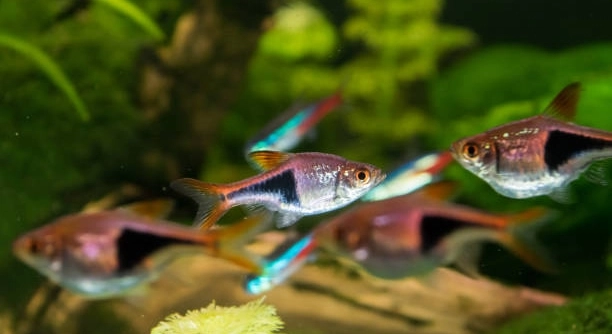
Harlequin Rasboras are small, vibrant fish that bring life to any aquarium. Observing their behavior can be fascinating, especially when it comes to their breeding patterns and how they interact during spawning periods.
Harlequin Rasboras display unique breeding habits, including egg scattering, preference for fine-leaved plants, synchronized swimming, and careful selection of spawning sites. Their reproductive behavior is influenced by water conditions, social dynamics, and environmental cues, ensuring successful offspring survival.
Learning these specific behaviors can help aquarists create optimal conditions for breeding. Understanding their natural tendencies ensures a healthier, more thriving population in home aquariums.
Spawning Sites and Plant Preferences
Harlequin Rasboras are selective about where they lay their eggs. They prefer fine-leaved plants like Java moss or ferns that offer both security and stability. The female deposits her eggs carefully among the leaves while the male hovers nearby, ready to fertilize them. Water conditions play a crucial role in their choice of spawning site. Soft, slightly acidic water encourages spawning activity, and a calm environment reduces stress for both parents. The pair often performs a synchronized dance around the selected area, signaling readiness to breed. Observing this behavior can be rewarding, as it highlights their natural instincts and complex social interaction. Temperature also affects egg-laying; a slight increase in warmth can trigger more frequent spawning events. Careful preparation of the tank, including gentle lighting and minimal disturbance, ensures that eggs remain intact and are not eaten by other fish. These small considerations significantly improve breeding success for these delicate fish.
Understanding plant selection and tank setup can help support consistent breeding outcomes. Proper choices directly affect egg survival.
Providing ideal plants and locations not only encourages natural breeding but also reduces stress, creating a safer environment for eggs. These habits show the importance of subtle environmental cues in their reproductive behavior.
Synchronized Swimming During Spawning
During breeding, Harlequin Rasboras engage in precise synchronized swimming. This coordination strengthens pair bonds and increases fertilization chances.
Synchronized swimming is more than aesthetic; it ensures that eggs are fertilized immediately after being laid. Both male and female mirror each other’s movements, circling the chosen plant while maintaining close proximity. This behavior reduces the risk of eggs drifting away or being overlooked. Observing this, one notices a subtle rhythm and timing, where the female releases eggs in short bursts and the male follows with fertilization. Over time, pairs may repeat this process multiple times in a single session, demonstrating commitment to successful reproduction. The swimming pattern also serves as a display of fitness and readiness, signaling to other fish that this pair is actively breeding. Tank conditions can influence the intensity of this behavior, with calm, stable water fostering more precise movements. For aquarists, understanding synchronized swimming provides insight into the delicate coordination required for effective breeding, and it highlights how seemingly simple fish exhibit complex, cooperative behavior.
Egg Scattering Techniques
Harlequin Rasboras scatter their eggs carefully among plant leaves to protect them from predators and current. Each egg is placed individually to ensure it remains safe until hatching.
The female uses her abdomen to press eggs onto fine leaves, often adjusting her position for maximum security. The male immediately follows, releasing sperm to fertilize each egg. This method prevents clumping and increases survival rates, especially in tanks with moderate water flow. Pairs often repeat this process over several hours, ensuring a higher number of fertilized eggs. The scattering technique also minimizes competition among developing embryos by giving each egg space to grow, reducing the risk of fungal growth or detachment. Proper tank vegetation is essential, as it supports this natural behavior and encourages successful reproduction in captivity.
Observing egg scattering closely reveals the precision and care these fish use. The process shows their instinctive focus on survival and reproduction, making them fascinating to watch.
Temperature and Water Conditions
Water temperature and quality are critical for Harlequin Rasbora breeding. Slightly warmer, soft, and acidic water encourages spawning activity and egg development.
Maintaining stable water parameters is essential for consistent breeding success. A gentle temperature increase can trigger spawning, while fluctuations may stress the fish and halt reproductive behavior. Soft water with low mineral content replicates their natural habitat, making them more likely to breed. pH levels around 6.0 to 6.5 are optimal, and keeping ammonia and nitrite levels at zero ensures eggs are not compromised. Regular water changes before and after spawning help maintain ideal conditions, and aeration must be gentle to prevent eggs from dislodging. Observing how temperature and water adjustments influence activity provides insight into their reproductive patterns.
These conditions affect not only spawning frequency but also egg survival and fry health. Properly balanced water supports synchronized swimming, careful egg placement, and overall reproductive efficiency, showing how environmental control is crucial for breeding Harlequin Rasboras in home aquariums.
Pair Bonding Behavior
Harlequin Rasboras form temporary pair bonds during breeding periods. Pairs stay close, coordinating movements and protecting each other while selecting ideal spawning sites.
This bond enhances egg fertilization efficiency. The male and female mirror each other’s behavior, reducing stress and ensuring both are ready for repeated spawning sessions over several hours.
Egg Guarding Instincts
After fertilization, some Harlequin Rasboras hover near the eggs to protect them from debris and potential threats. This behavior increases survival chances and helps maintain the eggs’ attachment to plant leaves.
Light and Activity Influence
Lighting and overall tank activity affect breeding behavior. Dim, stable lighting encourages calm, focused spawning, while sudden movements or bright light can cause stress and interrupt the process.
Fry Development Observation
Harlequin Rasbora eggs typically hatch within 24 to 36 hours under optimal conditions. Observing fry development helps adjust water and feeding conditions to ensure healthy growth.
FAQ
How often do Harlequin Rasboras breed in captivity?
Harlequin Rasboras can breed multiple times a month if tank conditions are ideal. Regular water changes, stable temperature, and appropriate plant cover encourage frequent spawning. Pairs tend to repeat their synchronized swimming and egg-scattering behaviors whenever they feel safe and stress-free.
What is the best water temperature for breeding?
The optimal temperature for breeding is between 77°F and 82°F (25°C to 28°C). Slightly warmer water encourages spawning activity, while cooler water slows it down. Maintaining stable temperatures is more important than reaching an exact number, as fluctuations can stress the fish and prevent breeding.
Which plants are best for egg-laying?
Fine-leaved plants such as Java moss, Christmas moss, and small ferns are ideal. These plants allow eggs to attach securely and provide some protection from currents or tankmates. Dense plant coverage encourages natural spawning behavior and reduces the chance of eggs being dislodged.
Do Harlequin Rasboras guard their eggs?
Some pairs exhibit hovering behavior near their eggs to protect them from floating debris or minor disturbances. However, they do not actively chase other fish away. The main purpose is to keep the eggs attached and safe until hatching.
How long do the eggs take to hatch?
Under optimal conditions, eggs hatch within 24 to 36 hours. Warmer water can speed up development, while slightly cooler temperatures slow it down. Fry remain attached to surfaces for a short period before swimming freely and seeking food.
What do Harlequin Rasbora fry eat?
Newly hatched fry feed on infusoria, tiny microorganisms present in the tank. As they grow, they can gradually be introduced to finely crushed flake food or specialized fry food. Ensuring consistent and appropriate feeding is crucial for healthy growth.
How can I encourage synchronized swimming in my pair?
Synchronized swimming occurs naturally when pairs feel safe and unthreatened. Provide dense plants, calm lighting, and minimal disturbances. Observing the pair as they circle spawning sites usually signals readiness to breed, so patience and stability help trigger this behavior.
Do all pairs of Harlequin Rasboras breed successfully?
Not every pair will breed successfully, even under optimal conditions. Factors like age, stress, compatibility, and past experiences influence reproduction. Offering ideal water parameters, plant cover, and low-stress environments improves chances but does not guarantee success.
Can I breed Harlequin Rasboras in a community tank?
Breeding in a community tank is possible but challenging. Other fish may disturb the eggs or fry. Using a separate breeding tank increases survival rates and allows better control of water conditions and plant placement, ensuring a safer environment for eggs and fry.
How do I know if my fish are ready to breed?
Signs of readiness include close pairing, synchronized swimming, and hovering near selected plants. Females often appear slightly fuller when carrying eggs. Males display increased activity around the female and maintain close proximity while circling potential spawning sites.
Is it necessary to separate the fry from adults?
Separating fry is recommended in community tanks. Adults may accidentally eat eggs or fry. Providing a dedicated breeding tank or using a mesh divider allows fry to grow safely while maintaining water quality and proper feeding routines.
Can breeding stress the fish?
Yes, repeated spawning and environmental changes can stress the fish. Maintaining consistent water parameters, gentle lighting, and minimal disturbances reduces stress. Providing plenty of plant cover helps them feel secure and encourages natural breeding behavior.
How long do Harlequin Rasboras live after breeding?
With proper care, Harlequin Rasboras can continue breeding for several months to a few years. Lifespan is generally around 4 to 5 years in captivity. Healthy diet, clean water, and minimal stress help maintain their overall health and reproductive capability.
Are there any signs that eggs are unhealthy?
Unfertilized or fungus-infected eggs often appear opaque or white. Healthy eggs are translucent with visible embryos. Removing unhealthy eggs prevents fungus from spreading and protects viable eggs. Observing eggs regularly allows timely intervention to improve hatching success.
Can I use artificial lighting to influence breeding?
Moderate, consistent lighting helps maintain normal activity but should not be too intense. Bright or fluctuating light can stress the fish, interrupt spawning, and affect egg attachment. Simulating natural light cycles encourages normal behavior without causing disturbances.
How do water changes affect breeding?
Regular, partial water changes maintain optimal conditions, reduce waste, and support healthy spawning. Gentle changes are important to avoid disturbing eggs or fry. Using slightly aged water at the same temperature and parameters prevents sudden stress while keeping the environment stable for breeding.
What is the typical number of eggs per spawning?
A female can lay anywhere from 50 to 150 eggs per session. The exact number depends on her size, health, and age. Multiple spawning sessions may occur in a single period, gradually increasing the total number of offspring. Proper plant coverage ensures most eggs remain attached and safe.
How do I care for fry after hatching?
Fry require stable water, gentle filtration, and frequent feedings with appropriate microscopic food. Gradually increasing food size as they grow supports healthy development. Observing their growth ensures they receive proper nutrition while maintaining optimal water quality.
Can Harlequin Rasboras breed without plants?
Breeding without plants is possible but less effective. Eggs need surfaces to attach to, and open tanks expose eggs to currents or accidental disturbance. Using artificial plants or spawning mops can mimic natural conditions and improve success.
Are there any seasonal patterns in breeding?
In captivity, breeding can occur year-round with stable water conditions. However, slight seasonal cues like temperature changes or light cycles may influence activity. Maintaining consistent conditions usually produces the best results regardless of the calendar season.
How do I tell males and females apart?
Females are generally fuller in the abdomen when carrying eggs, while males are slimmer and more vibrant in color. Observing behavior, such as males following and hovering near females during pairing, also helps distinguish gender during breeding periods.
Can Harlequin Rasboras breed without a partner?
No, they require a male and female pair to fertilize eggs. Solo females may lay eggs, but these will not develop. Ensuring compatible pairs and monitoring interactions is essential for successful reproduction in captivity.
What are common mistakes during breeding?
Common mistakes include inconsistent water parameters, insufficient plant cover, overcrowding, and stress from tankmates. Ignoring these factors can reduce egg fertilization, harm fry, and discourage natural behaviors. Preparing a controlled, calm environment improves overall success.
Is it necessary to feed special foods before breeding?
High-quality live or frozen foods like brine shrimp or daphnia encourage spawning readiness. A nutritious diet increases egg production and fry survival. Maintaining regular feeding routines also supports energy levels for repeated spawning sessions.
Can multiple pairs breed together in the same tank?
Yes, but it increases the risk of egg predation and competition. Multiple pairs may crowd spawning sites, reducing individual success. Using separate breeding areas or tanks helps ensure each pair can reproduce effectively without interference.
How can I prevent fungus on eggs?
Removing dead or unfertilized eggs promptly reduces fungal growth. Maintaining clean water, moderate flow, and proper temperature also minimizes risks. Some aquarists use mild antifungal treatments, but careful observation and prevention are usually sufficient.
Do Harlequin Rasboras exhibit parental care after hatching?
They do not actively care for fry after hatching. Once free-swimming, fry must be monitored and fed appropriately. Adults may accidentally consume fry, making separation advisable in breeding tanks to ensure survival.
What is the best way to introduce new pairs for breeding?
Select healthy, compatible fish of similar size and age. Introduce them gradually into a calm, well-planted tank to minimize stress. Observing initial interactions helps confirm compatibility and readiness for successful spawning sessions.
How long should fry stay in the breeding tank?
Fry should remain in a dedicated tank until large enough to avoid predation, usually 3–4 weeks. During this time, monitor growth, feed appropriately, and maintain stable water conditions to support healthy development.
Can breeding affect adult fish health?
Frequent breeding without proper care can weaken adults, reducing lifespan and reproductive capability. Balanced diet, clean water, and adequate rest periods help maintain long-term health and breeding performance.
How do I know when to remove eggs from the main tank?
If other fish pose a risk, transferring eggs to a separate tank or using a breeding box protects them. Timing depends on fertilization observation and environmental safety. Healthy, attached eggs can usually be moved carefully without harm.
Are Harlequin Rasboras aggressive during breeding?
They are generally peaceful but may show minor territorial behavior near eggs. Most aggression is limited to close proximity during spawning and does not harm other tankmates if space is sufficient.
What is the survival rate of eggs in captivity?
With ideal conditions, 70–90% of eggs may survive to hatching. Factors such as water quality, plant cover, and disturbance levels influence survival. Observing egg development and addressing issues promptly maximizes success.
Do adults need special care after spawning?
Adults benefit from rest, consistent feeding, and minimal stress after spawning. This period helps restore energy and prepares them for future reproductive cycles without compromising health.
How do I prevent eggs from being eaten?
Using dense plants, breeding boxes, or separate tanks reduces the risk. Quick removal of fry and minimal adult interference ensures higher survival rates. Observing behavior and providing secure attachment surfaces is essential.
Can Harlequin Rasboras breed in small tanks?
Small tanks limit plant cover and space, reducing success. If used, ensure dense planting, stable water conditions, and minimal disturbance. Larger, well-planted tanks remain preferable for consistent breeding.
How do I identify healthy fry?
Healthy fry are active, responsive, and show steady growth. They should feed eagerly on microscopic food and avoid sluggish behavior. Observing movement, coloration, and feeding patterns helps ensure proper development.
Can I use water conditioners during breeding?
Yes, safe water conditioners that remove chlorine and heavy metals support a healthy environment. Avoid products that alter pH or add strong chemicals, as these can stress fish or harm eggs.
Do Harlequin Rasboras breed naturally in community tanks?
They may, but competition, stress, and predation reduce success. Controlled conditions, dedicated spaces, and proper plant cover improve chances for natural breeding.
How much space do pairs need for breeding?
Pairs require enough room to swim, select spawning sites, and scatter eggs. Overcrowding reduces coordination, increases stress, and can lower fertilization rates. Adequate space improves overall success.
What is the most common mistake with fry care?
Underfeeding, overcrowding, and poor water quality are frequent issues. Regular feeding of appropriate-sized food and maintaining stable conditions ensures healthy fry growth and survival.
Can Harlequin Rasboras spawn at any age?
They typically begin breeding around 6–8 months of age. Younger fish may be ready but less successful. Proper nutrition and health support timely reproductive readiness.
How do I manage multiple batches of eggs?
Separate batches in different areas or containers to avoid fungal spread and predation. Monitoring development and feeding fry appropriately ensures higher survival for each batch.
Is it necessary to monitor pH during breeding?
Yes, pH affects egg adhesion and overall spawning behavior. Maintaining slightly acidic conditions helps encourage natural reproductive patterns. Regular testing ensures stability and supports successful breeding.
What type of filtration is best during breeding?
Gentle sponge or low-flow filters prevent eggs from being dislodged while maintaining water quality. Strong currents or aggressive filtration can harm eggs and fry. Proper filtration balances cleanliness with safety.
Can Harlequin Rasboras spawn without live plants?
Artificial plants or spawning mops can substitute, but natural plants offer better attachment and security for eggs. Ensuring adequate surfaces for egg adhesion remains crucial.
How do I increase egg survival in community tanks?
Dense plants, breeding boxes, or separate tanks reduce predation. Observing adult behavior and providing stable water conditions improves overall egg survival rates significantly.
Are Harlequin Rasboras picky about tank mates during breeding?
Yes, peaceful, non-predatory fish are best. Aggressive or large tank mates may disrupt spawning or eat eggs, reducing reproductive success. Choosing compatible companions supports a calmer, safer environment.
How do I care for older breeding pairs?
Provide a nutrient-rich diet, stable water, and reduced stress. Older pairs may breed less frequently but can still produce healthy eggs with proper care and attention.
Can Harlequin Rasboras spawn at night?
They typically spawn during daylight or dimly lit periods. Night spawning is rare and usually influenced by lighting and environmental stability in the tank.
Do Harlequin Rasboras need hiding spots for breeding?
Yes, plants and decorations offer security. Hiding spots reduce stress, encourage natural behavior, and protect eggs from accidental disturbance.
What is the best way to clean a breeding tank?
Gentle cleaning, avoiding sudden water changes or disturbance to eggs and fry, maintains water quality. Partial water changes and careful siphoning prevent stress while keeping the environment healthy.
How can I tell if eggs are fertilized?
Fertilized eggs appear translucent with visible embryos. Unfertilized eggs turn opaque or white. Monitoring this helps manage removal of unhealthy eggs and prevents fungal spread.
Are there signs of stress during breeding?
Erratic swimming, hiding, or reduced activity indicate stress. Adjusting water parameters, reducing disturbances, and ensuring proper plant cover helps maintain calm, encouraging normal breeding behavior.
Can multiple females lay eggs in the same area?
Yes, but this increases competition and may reduce individual success. Providing separate plants or areas helps each female maximize egg survival.
How do I know when to start feeding fry?
Fry begin swimming and feeding a few hours after hatching. Starting with infusoria or microscopic food ensures proper nutrition for healthy growth.
Can Harlequin Rasboras spawn in tap water?
Only if it is properly conditioned to remove chlorine, chloramines, and heavy metals. Soft, slightly acidic water replicates natural conditions and promotes successful spawning.
What role does diet play in breeding success?
A balanced diet with live or frozen foods boosts fertility and energy. Nutrient-rich meals increase egg production and fry survival, making diet a key factor in breeding performance.
How long do pairs usually stay bonded during spawning?
Pairs maintain coordination for several hours to complete multiple spawning cycles. Afterward, they may separate but often remain in proximity for future reproductive events.
Can stress prevent egg hatching?
Yes, high stress, sudden water changes, or disturbances can cause eggs to fail. Maintaining calm, stable conditions supports successful development and hatching.
Is it normal for adults to eat eggs?
Yes, accidental consumption occurs, especially in community tanks. Dense planting, breeding boxes, or separate tanks minimizes this risk and ensures more eggs survive to hatching.
How do I manage water flow during spawning?
Minimal, gentle flow prevents eggs from detaching while maintaining oxygenation. Strong currents can dislodge eggs and disturb spawning behavior, so adjusting filtration is important for breeding success.
Can temperature swings affect fry development?
Yes, fluctuations can slow growth, increase deformities, or cause mortality. Stable temperatures during development ensure healthy, free-swimming fry ready for feeding.
What is the best method for transferring eggs?
Carefully move eggs with soft tools or nets to avoid detachment. Maintain the same water parameters to reduce stress and ensure continued development after transfer.
Do Harlequin Rasboras prefer quiet tanks for breeding?
Yes, calm and undisturbed tanks encourage natural behavior. Excessive movement, loud noises, or frequent handling can stress pairs and reduce breeding success.
Are there any signs that fry are unhealthy?
Lethargy, poor feeding response, or stunted growth indicates health issues. Maintaining water quality and proper feeding routines is essential for survival and development.
Can I use breeding mops instead of plants?
Yes, spawning mops mimic fine-leaved plants for egg attachment. They work well in tanks lacking natural vegetation but require proper placement and maintenance for success.
How do I prevent overpopulation in a breeding tank?
Monitor fry numbers and plan for adequate space. Separating batches, selling, or moving fry to grow-out tanks prevents overcrowding and maintains water quality.
Do Harlequin Rasboras need specific lighting schedules?
Consistent, moderate lighting simulates natural conditions and reduces stress. Sudden changes or overly bright lights can disrupt spawning and egg attachment.
What is the ideal tank size for breeding?
A 10–20 gallon tank provides enough space for pair bonding, plant placement, and fry growth. Larger tanks allow more flexibility but are not strictly necessary.
Can I mix different Rasbora species for breeding?
No, interspecies breeding is not recommended. Different species have distinct behaviors and water requirements, reducing success and potentially harming fish.
Do Harlequin Rasboras need water softeners for breeding?
Soft water promotes natural behavior, but extreme adjustments are unnecessary. Slightly acidic, low-mineral water is sufficient for most successful breeding efforts.
How long does synchronized swimming last?
Circling and coordinated movement usually continue for several hours per spawning session. This behavior ensures eggs are fertilized and properly attached to plants.
Can breeding pairs coexist with other tankmates?
Yes, if tankmates are peaceful and non-predatory. Aggressive or large fish may disrupt spawning, eat eggs, or stress the pair, reducing reproductive success.
What are the signs of successful fertilization?
Translucent eggs with visible embryos indicate fertilization. Healthy development over the following 24–36 hours confirms success, while opaque or white eggs signal failure.
How do I maintain water quality during fry growth?
Frequent partial water changes, gentle filtration, and monitoring ammonia, nitrite, and nitrate levels ensure safe conditions for fry development. Clean, stable water prevents stress and promotes healthy growth.
Do Harlequin Rasboras need hiding spots after spawning?
Yes, plants and decorations offer security for both adults and developing fry. Hiding spots reduce stress and improve overall survival rates during this critical period.
What is the recommended pH range for breeding?
Slightly acidic conditions, around 6.0–6.5, are optimal. Maintaining this range encourages spawning, egg adhesion, and overall reproductive behavior.
How do I ensure repeated spawning cycles?
Consistent water parameters, quality nutrition, and minimal stress support multiple cycles. Observing pair behavior and providing appropriate plant coverage helps maintain ongoing breeding activity.
Are Harlequin Rasboras sensitive to noise during spawning?
Yes, sudden or loud noises can interrupt spawning and stress the pair.
Harlequin Rasboras are fascinating fish with unique breeding behaviors that make them interesting to observe in home aquariums. Understanding their habits, from selecting fine-leaved plants for egg-laying to performing synchronized swimming, is important for anyone looking to breed them successfully. These behaviors are not random; they are carefully adapted strategies that increase the chances of survival for their eggs and fry. By paying attention to their natural instincts, aquarists can provide an environment that supports these behaviors while minimizing stress and disturbance. Proper observation of their actions can also be a rewarding experience, giving insight into how these small fish interact and coordinate during the reproductive process.
Maintaining optimal water conditions is essential for successful breeding. Harlequin Rasboras respond well to soft, slightly acidic water with stable temperatures. Small fluctuations in water parameters can stress the fish and interrupt spawning, while gentle adjustments and regular monitoring help maintain a consistent environment. Tank preparation also plays a critical role, as dense plant cover, calm lighting, and minimal disturbances encourage natural behavior and support egg survival. These details may seem minor, but they make a significant difference in the success of breeding efforts. Providing nutritious food and observing fish behavior before, during, and after spawning ensures that adults remain healthy and capable of repeated reproductive cycles.
Breeding Harlequin Rasboras requires patience and careful attention, but it can be highly rewarding. Watching the pair bond, scatter eggs, and care for them in subtle ways highlights the complexity of their reproductive strategies. Fry development and growth also demand consistent care, including proper feeding and water management. Understanding these habits not only helps improve breeding success but also promotes the overall well-being of the fish. Creating the right environment, observing their behaviors, and providing consistent care ensures that both adults and fry thrive. Over time, this knowledge and effort can lead to a healthy, thriving aquarium population that reflects the natural behaviors and resilience of Harlequin Rasboras.

Hello,
If you enjoy the content that we create, please consider saying a "Thank You!" by leaving a tip.
Every little bit helps us continue crafting quality advice that supports the health, happiness, and well-being of pets around the world, for pets of all shapes, sizes, and species.
We really appreciate the kindness and support that you show us!