
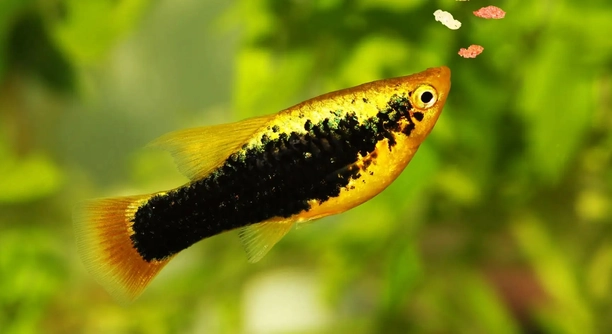
Platies are popular freshwater fish known for their vibrant colors and peaceful nature. Many owners enjoy keeping them but often overlook important breeding behaviors that can affect the health and well-being of their fish. Understanding these habits can improve your experience as a platy owner.
Seven key breeding habits are frequently missed by platy owners, including recognizing mating signs, providing proper hiding spaces for fry, understanding gestation periods, maintaining optimal water conditions, managing adult fish interactions, identifying gender differences, and ensuring a balanced diet to support reproduction. These factors significantly impact successful breeding outcomes.
Knowing these habits helps create a better environment for your platies. This article highlights important details every owner should know for healthier fish and more successful breeding.
Recognizing Mating Signs
Platy fish show clear behaviors when they are ready to breed. Males tend to chase females around the tank, often displaying vibrant colors and a curved anal fin called a gonopodium. Females may appear swollen as they carry eggs. These signs usually last several days and are important to observe to know when breeding is happening. If you miss these signals, you might not realize when your fish are mating, which can affect how you manage their environment. Keeping an eye on these behaviors helps in providing the right care and ensuring a healthy breeding process for your platies.
Mating signs include chasing, vibrant male colors, and swollen females. Observing these is key to supporting platy breeding in your tank.
Being aware of these signs lets you adjust tank conditions or separate fish if needed. This helps protect fry and reduces stress on adult fish. Watching for breeding behaviors improves success and keeps your fish healthier.
Providing Proper Hiding Spaces for Fry
Newborn platy fry need safe places to hide immediately after birth. Without cover, adult fish may eat them, reducing fry survival rates. Dense plants, small caves, or breeding nets can serve as hiding spots. A tank with plenty of cover encourages fry to survive and grow without threat. Many owners miss this simple step, leading to fewer baby platies. Creating these shelters is easy and makes a big difference in raising young fish.
Providing hiding places reduces fry predation and improves survival rates.
Adding live plants like java moss or floating plants creates natural hiding spots. You can also place breeding boxes that separate fry from adults. These methods reduce stress and protect fry, allowing them to develop safely. Fry will feel more secure, which promotes healthier growth. Adjusting your tank setup this way is a small change that leads to better breeding success. Remember, without proper cover, many fry may not make it to maturity. Simple steps like these make a lasting impact on your platy community.
Understanding Gestation Periods
Platies have a gestation period of about 24 to 30 days. This varies slightly depending on water temperature and fish health. Knowing the timing helps prepare the tank for fry care.
The gestation period is the time from fertilization to birth. During this time, females carry developing fry inside them. Warmer water can speed up development, while cooler water may slow it down. It is important to monitor your female platy’s condition during this period and avoid stressful changes in the tank. Providing stable water parameters ensures healthy fry development and a smoother birth process. This helps you plan for the arrival of the fry and take necessary steps to protect them once born.
Tracking the gestation period allows you to anticipate when fry will arrive. Preparing hiding spaces and ensuring proper nutrition before birth helps increase fry survival. Knowing these timelines improves your overall breeding management.
Maintaining Optimal Water Conditions
Water quality strongly impacts breeding success and fry health. Keeping stable temperature, pH, and cleanliness reduces stress and supports reproduction.
Ideal water temperature for platies is between 72°F and 78°F. The pH should stay around 7.0 to 8.2. Regular water changes help maintain low ammonia and nitrate levels. Clean, oxygen-rich water supports both adult fish and fry, encouraging healthy breeding. Sudden changes in temperature or chemistry can cause stress and reduce breeding activity. Using a reliable heater and testing water regularly makes a big difference. Consistency in water conditions creates a safe environment, helping your platies reproduce naturally and increasing the chances that fry will thrive.
Managing Adult Fish Interactions
Adult platies can sometimes stress each other, especially during breeding. Aggressive behavior may harm females or fry. Monitoring interactions helps keep peace in the tank.
Separating overly aggressive males or overcrowded tanks prevents injury. Maintaining a balanced male-to-female ratio reduces stress and supports breeding success.
Identifying Gender Differences
Male platies have a pointed anal fin called a gonopodium, used for mating. Females have a rounded anal fin and usually a larger, fuller body.
Understanding these differences helps in managing breeding groups effectively. Correct gender identification ensures better tank dynamics and successful reproduction.
Ensuring a Balanced Diet
A healthy diet supports breeding and fry development. Feeding high-quality flakes, frozen or live foods like brine shrimp encourages fertility.
Preventing Overbreeding
Overbreeding can weaken platy health and reduce lifespan. Giving fish breaks between breeding cycles keeps them strong and active.
FAQ
How often do platies breed?
Platies can breed frequently, often every 4 to 6 weeks if conditions are right. They are livebearers, meaning females give birth to fully formed fry rather than laying eggs. This rapid breeding rate means you need to be prepared for new fry regularly, especially if multiple females are in the tank.
What is the best way to care for newborn fry?
Newborn fry need protection and food suitable for their small size. Providing plenty of hiding places with plants or breeding boxes helps protect them from adult fish. Feeding them finely crushed flakes or specialized fry food several times a day promotes healthy growth. Keep the water clean and stable to reduce stress.
Can platies breed without a male?
No, platies require a male to fertilize the female’s eggs for breeding. Males use their gonopodium to transfer sperm to females during mating. Without males present, females won’t give birth to fry.
How can I tell if my female platy is pregnant?
Pregnant females usually appear rounder and fuller, especially near their belly. You might see a dark spot near the anal fin called the gravid spot, which becomes more noticeable as the pregnancy progresses. Changes happen gradually over weeks.
How long do platy fry take to mature?
Platy fry grow quickly and generally reach maturity in about 3 to 4 months. During this time, they need plenty of food and a safe environment to avoid predation. Once mature, they can start breeding themselves.
Do platies need special water conditions for breeding?
Platies breed best in stable water conditions with temperatures between 72°F and 78°F and a neutral to slightly alkaline pH of 7.0 to 8.2. Regular water changes and low levels of ammonia and nitrites help maintain healthy breeding conditions.
What should I feed adult platies to encourage breeding?
A varied diet including high-quality flakes, frozen or live foods like brine shrimp, daphnia, or bloodworms improves fertility and health. Balanced nutrition strengthens females for pregnancy and males for mating activity.
Can platies breed with other livebearers?
Platies can sometimes hybridize with closely related livebearers like swordtails. However, this can cause unpredictable traits in offspring. It’s best to keep platies separate if you want pure strains or predictable breeding results.
How do I prevent my platies from overbreeding?
Controlling the number of males and females in the tank limits breeding frequency. You can separate genders or reduce males to prevent constant pregnancies. Giving females time to recover between births helps maintain their health and longevity.
What causes low fry survival rates?
Low fry survival often results from predation by adult fish, poor water quality, or inadequate hiding spots. Overcrowding and lack of proper food also reduce survival. Providing a well-planted tank, maintaining clean water, and feeding fry appropriately increases their chances of reaching maturity.
Is it necessary to separate fry from adults?
Separating fry can improve survival rates by preventing adults from eating them. Using breeding boxes or a separate nursery tank is common. However, if your tank has plenty of plants and hiding spaces, some fry may survive without separation.
How often should I clean the breeding tank?
Regular water changes of about 20-30% weekly keep the tank healthy for both adults and fry. Avoid deep cleaning during pregnancy or just after birth to reduce stress. Clean filters as needed but maintain beneficial bacteria.
Can stress affect platy breeding?
Yes, stress from poor water quality, overcrowding, or aggressive tank mates can reduce breeding success. Ensuring a calm, stable environment with enough space and hiding spots helps minimize stress and encourages healthy reproduction.
What is the ideal tank size for breeding platies?
A 20-gallon tank or larger is ideal for breeding and raising fry. This provides enough space for adults and hiding places for fry. Larger tanks reduce stress and improve water stability, promoting better breeding outcomes.
Are there any signs of illness during breeding?
Illness can appear as lethargy, loss of appetite, or unusual swimming. Pregnant females may show swelling from infection rather than fry. Quarantine sick fish and maintain excellent water quality to prevent disease during breeding periods.
These answers cover the common concerns and help ensure your platy breeding experience is smoother and more successful.
Platy breeding can be a rewarding experience when you understand their habits and needs. Paying attention to their mating signs, gestation periods, and the care of fry makes a big difference. Many platy owners miss important details that affect breeding success, but learning about these habits helps create a better environment for your fish. Simple actions like providing hiding spaces for fry and maintaining stable water conditions can improve survival rates and reduce stress. These small but essential steps allow your platies to breed naturally and thrive in your tank.
Water quality and tank setup play a crucial role in platy breeding. Keeping temperature and pH within the right range helps the fish stay healthy and ready to reproduce. Clean water with low ammonia levels supports the growth of fry and keeps adults strong. Also, feeding your platies a balanced diet rich in nutrients promotes fertility and good health. Managing interactions between adult fish is important as well, especially to prevent aggression that can harm females or fry. These combined factors make breeding more successful and less stressful for your fish.
Taking the time to understand your platies’ needs will pay off with healthier fish and more fry surviving to adulthood. Patience is important because breeding can be frequent, and not every fry will survive without care. By observing your fish closely and adjusting their environment, you can support natural behaviors and help them reproduce safely. With proper care and attention, platy breeding becomes a manageable and enjoyable part of keeping these colorful, lively fish.

Hello,
If you enjoy the content that we create, please consider saying a "Thank You!" by leaving a tip.
Every little bit helps us continue crafting quality advice that supports the health, happiness, and well-being of pets around the world, for pets of all shapes, sizes, and species.
We really appreciate the kindness and support that you show us!