
Are your cherry barbs acting a little different lately, and you’re starting to wonder if it means they’re ready to breed?
Cherry barbs display seven key breeding cues, including vibrant coloration, chasing behavior, increased activity, territorial displays, subtle fin flaring, body quivering, and substrate cleaning. These actions help attract mates and prepare for spawning.
Each behavior tells a small part of the story, and understanding these signs can make care easier during this exciting time.
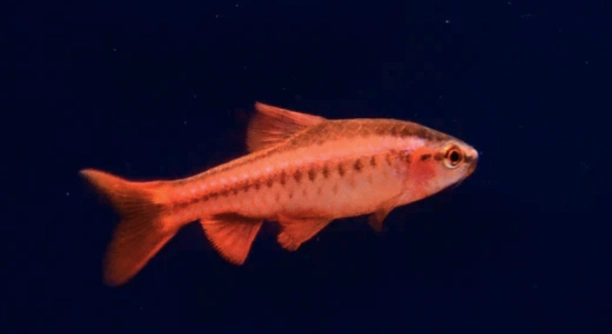
Bright Red Coloration in Males
During breeding, male cherry barbs show a deep, vibrant red color. This change is a clear signal they are ready to attract a mate. The redder the male, the more likely he is to impress a female. This color shift is caused by hormonal changes and is influenced by the environment, such as water temperature and lighting. If your tank conditions are stable and healthy, the colors may appear even brighter. You’ll often notice this behavior in the early morning when the fish are most active. Female cherry barbs may appear slightly plumper during this time, but their color stays more muted compared to the males. Watching for this deep red hue can help you track their readiness to breed. It also gives a clue about your tank’s overall health, as stress can reduce color intensity.
Males can show this red coloration even when females are not nearby, but it becomes stronger when they are.
Keeping the tank clean, well-lit, and slightly warmer than usual (around 78°F) can help bring out this color. You don’t need to add any special chemicals or treatments—just stable, clean water and a good diet. Try including live or frozen food like brine shrimp or daphnia to naturally support this shift. If the males do not become bright red, they may be stressed or too young. In that case, make sure the tank is not overcrowded, reduce noise around it, and watch their behavior for a few days. This red coloration is one of the easiest signs to spot, and it often happens before any of the other breeding cues begin.
Chasing and Pair Bonding
Chasing is one of the earliest physical behaviors cherry barbs use during breeding. Males begin to follow females closely, nudging or circling them in short bursts.
This behavior is often mistaken for aggression, but it is a natural part of pair bonding. The male chases the female to show his strength and interest, while the female’s response determines if she is ready to breed. You may notice the chasing is not constant—it happens in short bursts and usually in the lower or middle part of the tank. It’s important to observe both fish during this time. If the female seems overly stressed or hides frequently, it’s a good idea to provide more plants or hiding spots. This gives her space to rest and helps reduce stress. When the female is receptive, she will eventually stop swimming away and hover near the male. This signals the beginning of a bond, and they may soon head toward a surface to lay and fertilize eggs.
Increased Activity Levels
Cherry barbs become more active when breeding is near. You’ll notice them swimming more often, exploring the tank, and moving in quicker, sharper patterns than usual.
This increased energy helps males show off their fitness and catch the attention of females. It’s common to see them darting around plants or corners of the tank. Sometimes, they’ll pause briefly before darting again. This burst of energy can also cause small chases between males, which usually stop quickly. If the tank is calm and not overcrowded, this behavior won’t cause harm. Make sure the water is clean and the lighting is soft—this keeps the fish feeling secure enough to stay active. Their swimming may seem a little frantic at first, but it’s a sign they are responding to the right conditions. This boost in movement is often one of the first signs that breeding is about to begin.
Along with faster swimming, cherry barbs may also show signs of hovering in one area, especially if they’ve found a favorite hiding spot or patch of plants. Males may circle these spots repeatedly, often trying to guide a female there. If females follow, it means they are becoming receptive. You’ll want to keep an eye on how often this happens—it’s a strong clue they are preparing to spawn soon. If activity becomes too rough, with multiple males chasing a single female, consider separating them or adding more space. This behavior may last a few days, then calm down after eggs are laid. Providing structure in the tank like fine-leaved plants or spawning mops can give the fish somewhere safe to continue these behaviors without stress.
Subtle Fin Flaring and Displaying
Fin flaring is a small but important signal males use to attract females. The male spreads his fins wide, showing off his full body size and color. It’s usually done near a female or a favorite spot in the tank.
Males may repeat this movement several times, staying still for a few seconds between displays. Unlike aggression, fin flaring during breeding doesn’t include chasing or nipping—it’s calm and deliberate. You might also notice the male turning slightly to show his side. This is a quiet but clear way to say he’s ready. Females rarely flare, so if you see a cherry barb doing this, it’s likely a male trying to start the courtship. Fin flaring often comes right before body quivering or chasing starts. It’s a useful sign to watch for if you’re trying to catch the earliest stages of breeding behavior. Keep the tank lighting soft to see this clearly.
Fin flaring often works together with the male’s color display. When both happen at the same time—bright red color and flared fins—it means the male is actively trying to court. This is also when he starts to “claim” a part of the tank. He may stay near a corner or clump of plants, waiting for the female to approach. If the female lingers, the male may repeat the fin display multiple times in the same area. This helps build trust and increase the chance of spawning. Watching closely, you may even see the female circle once or twice around the male—this usually means she’s interested. Fin flaring isn’t aggressive unless males are fighting over space. In that case, adding more plants can help break sightlines and reduce tension.
Body Quivering and Vibrations
Males may begin to quiver their bodies in short, sharp motions while staying close to a female. This behavior often happens right before spawning and is part of the courtship process.
The quivering looks like a gentle shake or ripple, usually lasting just a second or two. It may repeat several times.
Cleaning a Spawning Surface
When spawning is near, cherry barbs will search for smooth or leafy areas to lay eggs. Males or females may rub or nip at these spots, clearing them gently. Plants with soft leaves, moss, or even tank glass can become chosen surfaces. This is usually a quiet and slow behavior.
Temporary Loss of Appetite
As breeding begins, some cherry barbs may lose interest in food. This usually happens for a short time, often just a day or two. It’s not a sign of illness unless it lasts longer or is paired with other unusual behaviors.
FAQ
How do I know if my cherry barbs are ready to breed?
You’ll notice several signs when cherry barbs are ready to breed. Males turn a deep red color and become more active. They may chase females, flare their fins, or quiver near them. You might also see them cleaning a flat surface like a plant leaf or tank glass. These behaviors usually happen in the early morning, when the lights first come on. If you see these signs together, breeding is likely close.
Do cherry barbs need special conditions to breed?
They don’t need anything extreme, but stable water quality and a few simple changes help. Keep the temperature around 78°F (25–26°C), and maintain a gentle filter to avoid strong currents. Use soft lighting and provide live plants or spawning mops. Offer high-protein food like brine shrimp or daphnia for a few days. These small changes can make a big difference in encouraging natural behavior and egg-laying.
How do I spot a male vs. female cherry barb?
Males are more slender and show brighter colors, especially during breeding. Their red color deepens and may cover the whole body. Females stay more muted in tone and appear rounder, especially when full of eggs. You’ll also notice that males chase and show off more often, while females are usually calmer and respond passively during courtship.
What kind of plants help with cherry barb breeding?
Fine-leaved plants like Java moss, Hornwort, or Cabomba work best. These give females safe spots to lay eggs and offer cover for the fry once they hatch. Floating plants can also help diffuse light and create a calmer atmosphere. If live plants aren’t available, you can use a clean spawning mop or artificial plants with fine textures.
Will cherry barbs eat their own eggs?
Yes, they will if the eggs are left in the main tank. Cherry barbs don’t protect their eggs or young. If you’re trying to raise fry, it’s best to move the adults after spawning or use a breeding box. Another method is to move the eggs to a separate tank with gentle air flow and clean, warm water.
How many eggs do cherry barbs usually lay?
Females can lay between 100 and 200 eggs at a time, although not all will be fertilized. The eggs are very small and clear, often sticking to plants or falling to the bottom. Hatching usually takes about 24 to 36 hours, depending on the temperature.
How long does the whole breeding process take?
Once you start seeing signs like color change and chasing, things can move quickly. Spawning may happen within a few days. After laying, the eggs hatch in 1 to 2 days, and fry become free-swimming in about 3 to 4 days. During this time, it’s important to keep water conditions clean and steady.
Can I keep breeding cherry barbs in a community tank?
It’s possible, but not ideal if you want to raise fry. Other fish, including the cherry barbs themselves, may eat the eggs or newborns. A separate breeding tank gives you better control. If using a community tank, provide thick plant cover and remove adults right after spawning.
Do cherry barbs breed year-round?
In stable tank conditions, they can breed throughout the year. However, slight temperature increases and a boost in live food often help trigger breeding behavior. Some fish respond more in early spring when light and temperature patterns change, even indoors. Keeping a regular day/night cycle also supports healthy behavior.
What should I feed the fry once they hatch?
Once the fry are free-swimming, start them on infusoria or liquid fry food. After a few days, you can offer freshly hatched brine shrimp or crushed flakes. Small, frequent feedings work best. Keep the water clean but avoid strong filters—use a sponge filter if possible.
Final Thoughts
Breeding cherry barbs can be a calm and rewarding part of keeping these peaceful fish. Their behavior becomes more noticeable when breeding is near, and most of the cues are easy to recognize once you know what to look for. From brighter colors in the males to quiet fin flaring and chasing, each behavior tells you something about their condition and readiness. The process doesn’t require special tools or advanced setups, but it does depend on a stable, low-stress environment. Clean water, soft lighting, and good nutrition are the most important factors in supporting natural behavior.
If your cherry barbs are showing signs like body quivering, cleaning surfaces, or staying active around certain parts of the tank, it’s likely they are entering the breeding phase. Watching these patterns helps you decide whether it’s time to set up a separate breeding space or add more plants for cover. If you plan to raise fry, removing the adults or moving the eggs will help protect the new hatchlings. If not, you can still enjoy watching the behaviors without changing much about your setup. It’s normal if not every attempt results in fry—some spawning events are brief and go unnoticed unless you’re watching closely.
Understanding these breeding cues also helps with overall care. Fish that feel safe enough to breed are usually in good health and living in a stable tank. If your cherry barbs aren’t showing any of the behaviors described, it could be due to age, stress, poor water quality, or the wrong male-to-female ratio. In most cases, small changes like adjusting the temperature or improving their diet can help. You don’t need to rush the process—just observe calmly and make sure the fish stay comfortable. Whether you’re interested in raising young cherry barbs or simply watching their interactions, knowing the signs makes the experience easier and more enjoyable.

Hello,
If you enjoy the content that we create, please consider saying a "Thank You!" by leaving a tip.
Every little bit helps us continue crafting quality advice that supports the health, happiness, and well-being of pets around the world, for pets of all shapes, sizes, and species.
We really appreciate the kindness and support that you show us!