
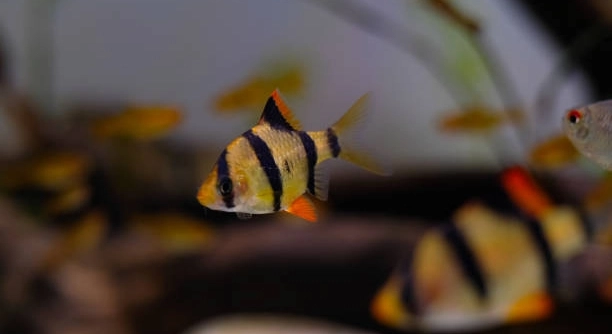
Healthy barbs need specific conditions to thrive and reproduce successfully. Proper care during breeding helps maintain their vitality and prevents common health issues. Knowing the right environment and care steps is essential for breeding these vibrant fish.
The seven key breeding conditions for healthy barbs include water quality, temperature regulation, diet, tank size, appropriate hiding places, breeding pair compatibility, and stress reduction. Each factor plays a vital role in ensuring successful spawning and healthy offspring.
Understanding these conditions will support better care and promote healthier barbs in your aquarium. This knowledge lays the foundation for successful breeding and long-term fish wellness.
Water Quality and Its Importance
Maintaining good water quality is crucial for breeding healthy barbs. Clean water with proper filtration removes harmful toxins that can affect fish health and reproduction. Regular water changes keep nitrate and ammonia levels low, which reduces stress on the fish. Barbs thrive in slightly acidic to neutral pH, usually between 6.5 and 7.5. Monitoring water hardness is also important, as barbs prefer soft to moderately hard water. Using a water testing kit helps keep track of these conditions. Avoid sudden changes in water parameters, as they can shock the fish and reduce breeding success. Keeping the tank clean and stable creates a safe environment that supports healthy eggs and fry development.
Consistent water quality prevents common diseases and encourages natural spawning behavior in barbs. Proper water maintenance supports the overall health of the breeding pair.
To ensure the best water quality, use a reliable filtration system suited for your tank size. Test the water weekly and adjust conditions slowly. Regular partial water changes, around 20-30% weekly, keep the environment stable. Avoid overcrowding the tank to reduce waste buildup. Clean substrate and decorations prevent harmful bacteria growth. Proper water quality reduces the risk of egg fungus and fry mortality, improving breeding outcomes.
Temperature Regulation
Temperature plays a key role in barb breeding. Maintaining a stable range of 74-78°F encourages spawning activity and healthy development of eggs and fry. Sudden temperature shifts can cause stress and disrupt breeding. Use an aquarium heater with a thermostat for precise control. Avoid placing the tank near windows or drafts where temperature fluctuates. Monitoring temperature daily helps catch any unexpected changes early.
Ideal temperature supports proper metabolism and breeding readiness in barbs.
Keeping temperature stable helps barbs stay healthy and increases the chances of successful spawning. Temperature affects oxygen levels and fish behavior, so consistency is essential. When raising fry, slightly warmer water can speed growth but avoid going above 80°F. Cooling water too much slows development and may cause health problems. Adjust temperature gradually when needed to avoid shocking the fish. Proper temperature control combined with good water quality creates the foundation for healthy barb breeding.
Diet and Nutrition
A balanced diet is essential for breeding barbs. Providing high-quality food improves their health and increases fertility. Include protein-rich options like live or frozen foods to stimulate spawning.
Offering a varied diet keeps barbs healthy and ready for breeding. High-protein foods, such as brine shrimp, daphnia, and bloodworms, help build strength and boost egg production. Supplement with quality flakes or pellets designed for tropical fish to provide essential vitamins and minerals. Avoid overfeeding, which can pollute the tank and stress the fish. Feed small amounts twice daily to maintain optimal nutrition without excess waste. Proper feeding supports the development of strong fry with better survival rates.
Special attention should be given to conditioning the breeding pair. Feeding live or frozen foods for two weeks before breeding encourages natural behavior. Variety prevents nutritional deficiencies and supports vibrant coloration, a sign of health. Consistent nutrition is key to successful breeding outcomes.
Tank Size and Environment
Providing enough space is vital for breeding barbs. A tank of at least 20 gallons allows room for movement and reduces stress. Overcrowding can lead to aggression and poor spawning results.
Adequate tank size promotes natural behaviors and reduces territorial conflicts. Barbs are active swimmers and need open areas combined with hiding spots. Include plants and decorations to simulate a natural environment, which encourages breeding. The environment should have gentle water flow and good aeration to support healthy eggs and fry. Regular tank maintenance keeps conditions stable. A properly sized and arranged tank ensures the breeding pair can thrive without undue stress or competition.
Breeding Pair Compatibility
Choosing compatible barbs is important for successful breeding. Healthy pairs with similar size and temperament reduce aggression and increase spawning chances.
Avoid mixing overly aggressive or stressed fish. Compatibility supports natural courtship and better egg fertilization.
Hiding Places
Providing hiding spots encourages barbs to feel secure during breeding. Plants, rocks, and caves offer shelter for eggs and fry.
Hiding places reduce stress and protect vulnerable young from being eaten or disturbed by adults.
Stress Reduction
Minimizing stress is essential for healthy breeding. Loud noises, frequent tank disturbances, and sudden changes can harm the fish.
A calm, stable environment supports natural behavior and improves breeding success.
How often should I change the water during breeding?
Regular water changes are vital to keep the environment healthy for breeding barbs. Changing about 20-30% of the water once a week is usually enough to maintain water quality. During breeding, it’s important not to do large or sudden water changes, as that can stress the fish. Use a water conditioner to remove chlorine and chloramine from tap water before adding it to the tank. Keeping the water clean supports healthy eggs and reduces the chance of disease affecting the fry.
What type of plants work best as hiding places?
Soft-leaved plants like Java moss, hornwort, and anacharis work well as hiding spots for barbs and their fry. These plants create dense cover where eggs can stick and young fish can hide from adult barbs. Floating plants also help reduce light intensity and create a more natural environment, which encourages breeding behavior. Avoid sharp or stiff plants that could harm the fish or damage the delicate eggs.
Can barbs breed in community tanks?
Barbs can breed in community tanks, but it is less ideal. Other fish might eat the eggs or fry, lowering survival rates. Stress from tank mates can also reduce breeding activity. If you want to breed barbs successfully, it’s better to set up a separate breeding tank. This allows you to control conditions like water quality, temperature, and hiding places specifically for the breeding pair and their offspring.
How can I tell when my barbs are ready to breed?
Mature male barbs usually develop brighter colors and may show more active, chasing behavior toward females. Females become rounder as they fill with eggs. When you notice this, it’s a good sign that breeding might happen soon. Providing the right conditions like good diet, water quality, and tank setup will encourage them to spawn. Sometimes, slight changes in temperature or lighting can also trigger spawning behavior.
What should I feed the fry once they hatch?
Newly hatched fry are very small and need tiny foods to survive. Infusoria or commercially available liquid fry food is perfect for the first few days. After about a week, you can introduce baby brine shrimp or finely crushed flakes. Feeding small amounts multiple times a day ensures the fry get enough nutrition without fouling the water. Keeping the water clean during this period is very important to prevent disease and promote healthy growth.
How long does it take for barb eggs to hatch?
Barb eggs usually hatch within 24 to 48 hours after spawning, depending on water temperature. Warmer water speeds up development, but temperatures above 80°F should be avoided. After hatching, the fry remain near the bottom or in hiding places until they are strong enough to swim freely. Keeping the water stable and clean during this time helps maximize fry survival.
What causes barbs to eat their own eggs?
Barbs sometimes eat their eggs due to stress, overcrowding, or lack of hiding spots. Inexperienced parents may also eat eggs instinctively. To reduce this behavior, provide plenty of plants or spawning mops where eggs can stick and be protected. Separating the adults from the eggs after spawning can increase the chances of fry survival. Stress reduction and proper tank conditions help minimize egg predation.
Is it necessary to use a breeding tank?
Using a separate breeding tank is highly recommended for better control over breeding conditions. It allows you to optimize water quality, temperature, and hiding places without interference from other fish. A breeding tank also makes it easier to protect eggs and fry from adult fish or other tank mates that may harm them. Setting up a small, well-maintained breeding tank improves success rates and reduces stress on the breeding pair.
Can barbs breed year-round?
Barbs can breed year-round if conditions remain stable and favorable. Consistent water quality, temperature, and diet encourage continuous spawning behavior. However, some breeders prefer to simulate seasonal changes by adjusting temperature or lighting to mimic natural breeding cycles. This can improve fry survival and parent fish health. Providing a calm environment and proper nutrition year-round supports ongoing breeding efforts.
How do I know if the fry are healthy?
Healthy fry are active swimmers with clear eyes and no signs of deformity or lethargy. They should grow steadily and start showing coloration within a few weeks. Poor water quality or inadequate food can cause slow growth or illness. Watching fry behavior daily helps catch problems early. Promptly removing sick or dead fry reduces the risk of spreading disease to the rest of the tank. Regular monitoring and care ensure the best chance for healthy offspring.
Breeding healthy barbs requires careful attention to several important factors. Maintaining good water quality, stable temperature, and a balanced diet are key foundations for success. Each of these elements plays a significant role in creating an environment where barbs can thrive and reproduce naturally. Without proper care in these areas, barbs may become stressed or unhealthy, which can reduce their chances of spawning and the survival of their offspring. Taking the time to set up the right conditions from the start helps avoid common problems and supports the long-term well-being of both the adult fish and their fry.
Equally important are the tank environment and the behavior of the breeding pair. Providing enough space and proper hiding places reduces stress and encourages natural breeding activities. Barbs are active and social fish, but overcrowding or aggressive tank mates can interfere with their ability to spawn. Choosing compatible fish and ensuring they have a calm, secure space helps support their natural instincts. Watching how the fish interact also gives clues about their readiness to breed, such as changes in coloration or courtship behavior. Creating a safe, stable environment encourages successful reproduction and healthier young fish.
Overall, breeding barbs is a process that benefits from patience and consistent care. Paying attention to water parameters, feeding quality food, and reducing stress in the tank all contribute to healthier barbs and better breeding outcomes. The time spent managing these conditions can make a noticeable difference in the health and vitality of both adults and fry. With steady effort and a good understanding of their needs, breeding barbs can become a rewarding part of aquarium keeping. The right preparation and ongoing care provide a strong foundation for healthy barbs and a thriving aquatic environment.

Hello,
If you enjoy the content that we create, please consider saying a "Thank You!" by leaving a tip.
Every little bit helps us continue crafting quality advice that supports the health, happiness, and well-being of pets around the world, for pets of all shapes, sizes, and species.
We really appreciate the kindness and support that you show us!