
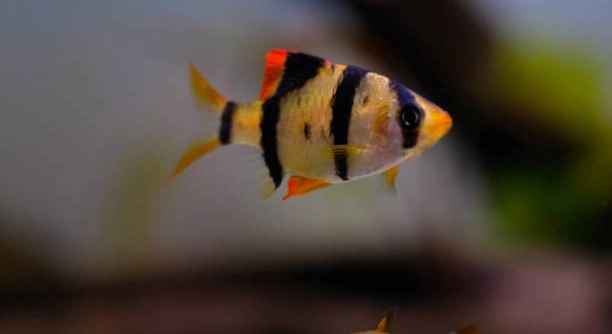
Barbs are popular freshwater fish often kept by hobbyists who enjoy watching their lively behavior. Observing their breeding habits can help ensure a healthy and thriving aquarium environment. Knowing what to look for makes caring for barbs easier.
Breeding behaviors in barbs include specific courtship displays, nest preparation, and egg-laying patterns. These actions indicate readiness to reproduce and help aquarists identify optimal conditions for successful breeding. Monitoring these behaviors supports effective breeding management.
Understanding these signs can improve your ability to support your barbs during breeding seasons and promote a balanced aquarium community.
Courtship Displays in Barbs
Barbs show clear courtship behaviors before breeding. Males often become more colorful and active, swimming around the females with quick, exaggerated movements. This behavior is meant to attract the female’s attention and signal readiness to mate. You may notice males chasing females gently, circling them, or performing small jumps. These actions are not aggressive but are part of the bonding process between potential mates. Sometimes, males will flare their fins or shake their bodies to appear larger and more appealing. Observing these signs helps identify when barbs are preparing to breed. The environment plays a role, so water temperature and quality should be stable to encourage these behaviors. It can be rewarding to see this natural process unfold, knowing that your tank conditions are supporting healthy fish reproduction. Watching courtship helps you understand your barbs better and creates a more interactive aquarium experience.
Courtship displays signal that barbs are ready to breed, often involving color changes and specific movements that attract mates.
Paying attention to these displays allows you to prepare the tank for breeding. Creating a calm environment, with gentle water flow and plenty of hiding spots, supports the pair during this sensitive time. A well-planted tank mimics their natural habitat and encourages natural behaviors. Also, reducing sudden changes and disturbances will help barbs feel secure. Watching courtship unfold can be satisfying, as it shows your fish are healthy and ready to continue their species. This stage is essential for successful spawning, so knowing what to expect improves breeding success.
Nest Preparation and Egg Laying
Barbs do not build nests like some other fish, but they prepare certain areas for egg laying. They often choose dense plants or fine-leafed vegetation where eggs can be safely deposited. Females scatter eggs over these plants while males follow closely, releasing sperm to fertilize them. This process usually happens in the early morning hours. After spawning, adults may guard the area briefly but often leave the eggs alone. It is important to remove or separate the parents afterward to prevent egg predation. Monitoring this stage is key to ensuring eggs develop safely. Providing suitable plant coverage and stable water conditions encourages barbs to spawn successfully.
Nest preparation involves selecting plant-covered spots for egg scattering, with minimal parental care afterward.
Once eggs are laid, they stick to plants and the substrate, relying on their environment for protection. Barbs do not fan or clean eggs, so the tank setup is crucial to avoid fungus or damage. Gentle filtration and stable temperature around 75-80°F help eggs develop properly. Watching for eggs after courtship can confirm breeding success. Removing parents or moving eggs to a breeding tank improves survival chances. Understanding this behavior helps you manage breeding more effectively and gives your barbs the best chance to produce healthy fry.
Spawning Triggers in Barbs
Spawning in barbs often depends on specific environmental triggers. Changes in water temperature, light cycle, and water quality can all encourage breeding behavior. Many barbs respond well to slightly warmer water and increased feeding before spawning.
Raising the water temperature by a few degrees, usually to around 78–80°F, can simulate the rainy season, which naturally triggers spawning. Increasing the frequency of feeding with live or high-protein foods also helps prepare barbs for breeding. Gradually lengthening daylight hours encourages hormonal changes linked to reproduction. Maintaining clean, well-oxygenated water is critical, as poor water quality may delay or prevent spawning altogether. These conditions together create a natural breeding environment that prompts barbs to start their reproductive behaviors.
Adjusting environmental factors can significantly boost your chances of successful spawning. Consistent water changes and stable parameters are key. Sudden shifts should be avoided, as stress can inhibit breeding. Creating a routine that mimics natural seasonal changes supports healthy cycles. Observing your fish closely during this time can reveal subtle behavioral changes that indicate readiness. These triggers are essential for managing breeding in a home aquarium and provide a predictable pattern to support your barbs’ reproductive needs.
Egg Care and Development
Barb eggs are delicate and require stable conditions to develop properly. They typically hatch within 24 to 36 hours after spawning, depending on temperature and water quality. Keeping the tank calm and clean during this period is essential to prevent fungal growth or damage. Many breeders separate eggs from adults to improve survival rates.
After hatching, the fry are very small and need microscopic food like infusoria or specially prepared fry food. Initially, the fry rely on their yolk sacs for nourishment but soon require feeding to grow. Frequent small feedings are best to encourage steady development. Providing gentle water flow and maintaining optimal water parameters helps the fry thrive. Watching the eggs develop and the fry grow can be very rewarding, especially knowing you created the right environment for healthy new life.
Parental care is minimal, so managing the environment is crucial to the eggs’ survival. Using a breeding tank or protective breeding nets helps isolate eggs from adults and other tank inhabitants. Monitoring water temperature and cleanliness during egg development reduces mortality. Feeding fry with suitable live or prepared foods supports healthy growth after hatching. Consistency and attention during this stage make a big difference in raising strong young barbs.
Aggressive Behavior During Breeding
Barbs can become slightly aggressive when breeding. Males often chase each other to establish dominance and secure access to females. This behavior helps determine the strongest fish for mating.
Although aggression is normal, it should not lead to serious injury. Providing plenty of hiding spots and space helps reduce stress and fighting among males during this time.
Fry Growth and Care
After hatching, fry require careful feeding and clean water to grow well. Start feeding them small live foods or specially formulated fry flakes. Regular water changes and gentle filtration create a safe environment for healthy development. Consistent care during this stage is key to raising strong barbs.
Recognizing Successful Breeding
Successful breeding is evident when you see free-swimming fry actively searching for food. Healthy fry should be bright and active with steady growth. Watching for these signs helps track breeding progress.
Preparing for Future Breeding
Maintaining good water quality and nutrition after a breeding cycle supports barbs’ health for future spawning. Consistent care encourages regular breeding behavior.
What are the most common breeding behaviors in barbs?
Barbs show several clear behaviors during breeding. Males become more colorful and swim actively to attract females. You’ll notice chasing, circling, and fin flaring. Females choose plants to scatter eggs. These behaviors signal readiness to breed and help identify when your barbs are spawning.
How can I tell when my barbs are ready to spawn?
Males change color and act more energetic around females. They swim quickly, chase gently, and show off their fins. Females prepare by selecting areas with plants for egg-laying. Watching for these changes helps predict when spawning will happen.
Do barbs build nests?
Barbs don’t build nests like some fish. Instead, they lay eggs on fine-leafed plants or in dense vegetation. Eggs stick to the plants, relying on the environment for protection rather than parental care.
How do I encourage my barbs to breed?
Adjusting water temperature to around 78-80°F, increasing feeding with high-protein foods, and lengthening daylight hours encourage spawning. Keeping water clean and stable also plays a big role in triggering breeding behaviors.
Is it necessary to separate parents after spawning?
Yes, it’s often best to separate adults after eggs are laid. Barbs sometimes eat their eggs or fry. Removing parents helps protect eggs and increase fry survival.
How long does it take for barb eggs to hatch?
Eggs usually hatch within 24 to 36 hours after spawning. Temperature affects timing; warmer water speeds development.
What do barb fry eat after hatching?
Fry first use their yolk sacs for nutrition but soon need tiny live foods like infusoria or specially made fry food. Frequent small feedings support steady growth.
Can I keep barbs in a community tank during breeding?
Barbs may breed better in a quieter environment. Other fish can stress them or eat eggs and fry. If breeding is the goal, a separate breeding tank or well-planted area is best.
How can I reduce aggression during breeding?
Provide plenty of hiding spots and space. This lowers fights among males and keeps stress down during breeding. Avoid overcrowding, which increases aggression.
What signs show my breeding was successful?
Free-swimming fry searching for food is a clear sign. Healthy fry are active, bright, and grow steadily. If you see this, your breeding efforts are working well.
How often do barbs breed?
Barbs can breed several times a year if conditions are right. Consistent water quality, nutrition, and stable environment encourage regular spawning cycles.
What water parameters are best for breeding barbs?
Temperatures between 78-80°F, pH around 6.5 to 7.5, and soft to moderately hard water work best. Stable parameters reduce stress and support healthy eggs and fry.
How important is diet during breeding?
Diet is very important. Feeding protein-rich foods like live or frozen brine shrimp or daphnia helps condition barbs for spawning. Good nutrition supports egg production and fry development.
Can barbs breed without plants in the tank?
While possible, plants provide the best environment for egg laying and protection. Without plants, eggs may be more vulnerable to damage or fungus.
What should I do if eggs develop fungus?
Remove infected eggs if possible. Adding antifungal treatments safe for fish can help. Improving water quality and gentle filtration reduces fungus risk.
Is it normal for males to chase females aggressively?
Chasing is normal but should not be harmful. If it becomes too intense, separating fish or increasing hiding spots may be needed.
How long does it take for fry to grow into adults?
Fry grow quickly with proper care, reaching juvenile size in about 2-3 months. Full adult size may take longer depending on species and conditions.
Can I breed multiple pairs in one tank?
Breeding multiple pairs in the same tank can cause competition and stress. It’s better to separate pairs for more controlled breeding and higher fry survival.
What tank size is recommended for breeding barbs?
A tank of at least 20 gallons is recommended for breeding pairs. Larger tanks provide more space and reduce aggression.
Are there specific barbs that are easier to breed?
Some species, like tiger barbs, are more commonly bred in captivity due to their hardiness and clear breeding behaviors. Researching species-specific needs helps.
What is the best way to care for fry after hatching?
Feed small amounts of appropriate food multiple times daily, maintain clean water with gentle filtration, and avoid sudden changes. Providing cover helps fry feel secure.
These common questions cover key points to watch during barb breeding. Knowing these details makes caring for your fish more manageable and rewarding.
Breeding barbs can be a rewarding experience when you understand their behaviors and needs. Watching the males display courtship rituals, the females selecting plants for eggs, and then seeing tiny fry swim freely is satisfying. These natural actions show that your aquarium provides a healthy environment. Paying attention to subtle changes like increased activity, color shifts, or chasing helps you know when your barbs are ready to reproduce. Meeting their basic needs with stable water conditions, proper temperature, and good nutrition supports their breeding cycle.
It’s important to create the right environment for barbs during breeding. They do best with clean, well-oxygenated water, temperatures around 78 to 80 degrees Fahrenheit, and plenty of plants or hiding spaces. These factors encourage natural behaviors and help protect eggs and fry after spawning. Since barbs do not care for their eggs or young, providing a safe space is essential. Separating adults from eggs or using breeding tanks can improve fry survival. Managing aggression among males also helps keep the breeding process calm and successful.
Successful breeding takes patience and careful observation. Not every spawning attempt will lead to a large number of surviving fry, but consistent care increases your chances. Feeding the fish well before breeding and providing appropriate food for the fry are key parts of the process. Watching your barbs grow and thrive after breeding shows that your efforts are working. With time, you will gain experience and confidence in supporting your barbs through their reproductive cycles and maintaining a balanced, healthy aquarium.

Hello,
If you enjoy the content that we create, please consider saying a "Thank You!" by leaving a tip.
Every little bit helps us continue crafting quality advice that supports the health, happiness, and well-being of pets around the world, for pets of all shapes, sizes, and species.
We really appreciate the kindness and support that you show us!