
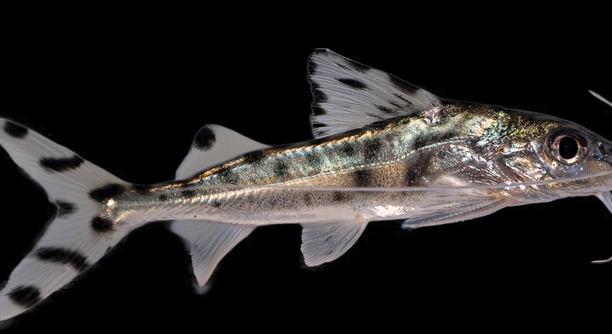
Have you ever kept pictus catfish and started noticing small changes in how they behave, especially when they seem more active than usual?
Pictus catfish display several key breeding behaviors, including increased swimming activity, chasing, color intensification, and territory guarding. These patterns often emerge during the breeding season and can help identify when spawning may occur.
Understanding these signs can help you support their health and possibly encourage successful breeding in your home aquarium.
Increased Activity and Restlessness
When pictus catfish are preparing to breed, they often become noticeably more active. You might see them swimming more quickly, exploring every corner of the tank, or chasing each other in short bursts. This behavior is usually a sign that hormonal changes are happening and that the fish are entering a reproductive phase. These movements can also include nudging or bumping, especially when a male is trying to get the attention of a female. This extra activity can last for several days and often takes place more during evening hours when lighting is lower. The behavior may seem aggressive at times, but it usually remains harmless as long as the tank is spacious and there are hiding spots. It’s helpful to monitor them during this time to ensure no fish is being overly stressed. Increased activity is often one of the earliest signs that breeding behavior is beginning.
This behavior is a natural part of their reproductive cycle and usually settles once breeding is complete or if conditions aren’t right for spawning.
If your pictus catfish are more restless than usual, it’s a good time to check tank conditions, water quality, and diet to support their health and possible breeding process.
Color Changes and Body Signals
During breeding times, pictus catfish may show subtle changes in body color. Their natural markings can become more intense, and the skin may appear slightly more reflective. These visual changes help attract mates and signal readiness.
Color changes are usually accompanied by physical signals, like twitching fins or holding certain postures near other fish. These are important cues in the courtship process. You might also notice a slight widening in the belly of a female if she is carrying eggs. The male may follow her closely or try to stay in her path, often nudging her side gently. These signs help you confirm that breeding is likely underway. At this stage, it’s essential to keep the tank environment stable—no sudden changes in temperature or lighting. Providing enough hiding spots also helps the fish feel secure. A quiet, undisturbed environment increases the chances of successful egg-laying and fertilization.
Territorial Behavior and Nesting Signs
During breeding periods, pictus catfish may start to claim certain parts of the tank. They might stay near caves, plants, or corners more than usual. This territorial behavior helps create a safe space for spawning and discourages other fish from getting too close.
You may notice one fish chasing others away from a specific area, especially if a cave or hiding spot is involved. This behavior usually comes from the male, who is trying to prepare a safe place for the female to lay eggs. He may fan the area with his fins or clean it by rubbing his body against the surface. It’s also common for both the male and female to spend more time together near this chosen spot. If the tank is too crowded or lacks enough hiding places, this behavior can lead to stress, so extra decorations or plants can help reduce tension.
Some pictus catfish may also dig slightly in the substrate or hover closely to flat surfaces. These actions are part of selecting a suitable place for spawning. Although they don’t build nests like some fish species, they often choose sheltered areas that offer cover. This is a good time to minimize tank disturbances and keep lighting soft.
Chasing and Body Contact
Chasing between males and females becomes more common and can last for several minutes at a time. It usually starts with short bursts of swimming, then leads to side-by-side movement. This is a typical part of courtship and can look playful but determined.
As the chasing continues, you may see more physical contact. The male may rub or bump against the female’s side, which encourages her to release eggs. These nudges are often directed near her belly or sides and are usually not harmful. If she’s receptive, she may slow down or pause near a chosen spawning site. The male stays close and positions himself next to her in anticipation. Sometimes this behavior happens repeatedly before actual spawning begins. It’s important not to confuse this with aggressive fighting. As long as there are no signs of injury, it’s a normal part of the process. Watch for egg-laying shortly after.
Egg Laying and Fertilization
When the female is ready, she will release her eggs in a safe, quiet spot in the tank. The eggs are usually sticky and attach to surfaces like rocks, plants, or tank walls.
The male will quickly follow, releasing sperm over the eggs to fertilize them. This process happens fast and usually ends within minutes.
Post-Spawning Behavior
After spawning, both fish may appear tired and less active. They often retreat to separate areas of the tank and spend more time resting. It’s important to monitor them closely but avoid disturbing the tank too much. Some fish may show protective behavior near the eggs.
Parental Care
Pictus catfish do not guard their eggs or care for the young after spawning. Once the eggs are laid and fertilized, it’s common for the adults to lose interest or even try to eat them. If you want to protect the eggs, consider separating them from the adults.
FAQ
How old do pictus catfish need to be before they can breed?
Pictus catfish usually need to be at least one year old before they are ready to breed. By this age, they have fully developed bodies and stable behavior patterns. You may start noticing the signs of maturity through their size and how they interact with other fish. Most breeding behaviors, like chasing and territorial activity, don’t show up until they’ve reached sexual maturity. If your fish are still under a year old, it’s unlikely you’ll see any successful spawning, even if they seem active.
Can pictus catfish breed in a community tank?
It’s possible but not ideal. Pictus catfish are shy during breeding and prefer a calm, undisturbed environment. In a busy community tank, they may become stressed or distracted by other fish. This can interfere with courtship and spawning. Eggs are also at risk of being eaten by tank mates. If breeding is your goal, it’s better to use a separate breeding tank or remove other fish temporarily. Keeping the tank calm and giving them enough hiding spots will improve the chances of a successful spawn.
Do I need to change the water conditions to trigger breeding?
Yes, small changes in water temperature and quality can help encourage breeding behavior. Slightly warmer water, around 78–80°F (25–27°C), often works best. Clean water with a stable pH between 6.5 and 7.5 is ideal. Sometimes a partial water change using slightly cooler water mimics the rainy season in their natural habitat, which can act as a trigger. Just avoid making sudden or extreme changes, as that can cause stress or illness. A gradual shift, paired with a nutritious diet, is a safer way to promote breeding activity.
How can I tell the difference between male and female pictus catfish?
Telling them apart can be difficult, but there are a few clues. Females tend to have rounder, fuller bellies, especially during breeding periods when they carry eggs. Males are often slimmer and may be slightly more active or aggressive when courting. In some cases, males may develop more pointed fins. These differences are subtle and not always easy to see, especially in a group of young fish. Watching their behavior during breeding is often the clearest way to notice their roles.
What should I feed pictus catfish during breeding time?
A protein-rich diet is important before and during the breeding phase. You can offer frozen bloodworms, brine shrimp, and high-quality sinking pellets. Live foods can also help stimulate natural instincts. Feeding smaller amounts more often keeps the water cleaner and gives the fish steady nutrition. Make sure all fish are eating and not competing too aggressively for food. Proper nutrition helps support egg development in females and keeps males active and healthy throughout the process.
How long does it take for the eggs to hatch?
Pictus catfish eggs usually hatch within 4 to 6 days, depending on the water temperature. Warmer water speeds up the process slightly. Once they hatch, the fry will be very small and not able to swim well. They usually stay close to where they hatched and feed off their yolk sacs for a few days. After that, they’ll need tiny food like baby brine shrimp or powdered fry food. It’s best to keep the fry separate from adult fish, as they may be eaten if left in the same tank.
Why are the eggs disappearing from the tank?
This is often because the adult fish or other tank mates are eating them. Pictus catfish do not guard or protect their eggs, so once spawning is done, the eggs are at risk. If you want to save the eggs, move them to a separate tank right after fertilization. Use a small tank with gentle filtration and clean water. You can also use a mesh or breeding box inside the main tank to keep the eggs safe until they hatch.
Can pictus catfish breed more than once?
Yes, they can breed multiple times if conditions are right. In nature, spawning can happen several times a year, especially during seasonal changes. In a home tank, they may breed every few weeks if they’re healthy and the water stays stable. Feeding them well and keeping stress low will help them recover faster between breeding cycles. Just be sure the tank isn’t overcrowded and there’s space to raise the fry, or you may need to pause breeding efforts temporarily.
Final Thoughts
Breeding behaviors in pictus catfish can be subtle at first, but once you know what to look for, they become easier to recognize. Increased swimming, chasing, color changes, and quiet nesting behaviors are all signs that your fish may be preparing to spawn. These behaviors are part of their natural instincts and are more likely to appear when the tank conditions are right. A clean, calm tank with the right temperature, hiding spots, and a balanced diet can help support these natural breeding efforts. While pictus catfish may not be known as the easiest species to breed in captivity, understanding their habits gives you a better chance at success.
It’s important to remember that not all attempts at breeding will be successful, especially in a shared tank. Other fish, stress, or changes in the environment can affect the outcome. If you notice that eggs are disappearing or fry aren’t surviving, it may be time to adjust the tank setup or consider using a separate breeding space. Separating the eggs or fry from adult fish helps protect them and gives them a better chance to grow. Also, consistent care after spawning—like maintaining stable water conditions and feeding fry appropriately—is key for a healthy start.
Even if breeding doesn’t happen right away, observing these behaviors can still be rewarding. It means your fish feel comfortable in their home, and that’s a good sign of overall well-being. Watching pictus catfish go through their natural routines, especially courtship and nesting behaviors, gives you a closer connection to their care. Whether you’re actively trying to breed them or just learning more about their habits, knowing how to spot these signs is helpful. Taking the time to understand their needs, even in small ways, can make a difference in their health and how they interact with their environment.

Hello,
If you enjoy the content that we create, please consider saying a "Thank You!" by leaving a tip.
Every little bit helps us continue crafting quality advice that supports the health, happiness, and well-being of pets around the world, for pets of all shapes, sizes, and species.
We really appreciate the kindness and support that you show us!