
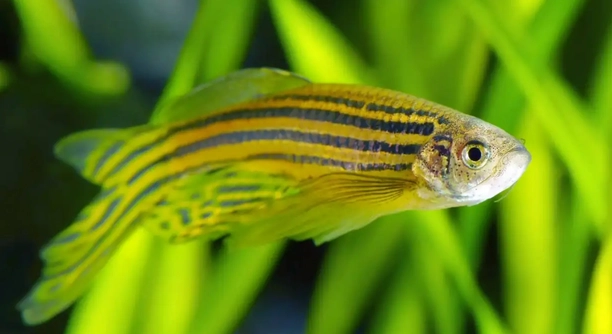
Some animal behaviors during breeding may appear aggressive, but there’s often more to the story than meets the eye. These actions can be crucial for survival, attracting mates, or ensuring the species continues.
Certain breeding behaviors that may seem aggressive are actually part of natural mating rituals. These actions, such as territorial disputes or physical displays, are essential for successful reproduction, signaling dominance or attracting potential mates in various species.
These behaviors are often misunderstood, but they play vital roles in the animal kingdom. Understanding these actions helps shed light on the complex world of animal reproduction and ensures a better appreciation for wildlife.
Aggressive Mating Displays in Birds
During mating season, many birds, like peacocks and turkeys, show off elaborate behaviors that can seem quite aggressive. These displays often involve puffing up their feathers, strutting, or making loud calls. While these actions may appear intimidating, they are meant to attract mates by demonstrating strength and vitality. Birds use these rituals to prove they are strong contenders for reproduction, signaling that they are in good health and capable of defending territory. In some species, males may even engage in physical combat with each other.
These displays are important for the survival of the species, ensuring that only the fittest mates reproduce.
Although these behaviors may appear to be aggressive, they are primarily aimed at demonstrating fitness and attracting potential mates. This helps prevent actual fights and maintains balance within the population.
Aggression in Mammal Mating Rituals
Mammals like lions and elephants are often seen engaging in aggressive behaviors during mating seasons. Male lions, for example, will fight each other for dominance and the right to mate with females. These battles can appear violent, but they are essential for establishing the strongest and most capable leader of the pride. Similarly, in elephant herds, dominant males often show aggressive behaviors to outcompete rivals and secure mating opportunities.
This aggression is part of natural selection, ensuring that only the strongest genes are passed down. In many cases, these fights are more about displays of power and dominance rather than actual harm. After the competition, the winner often gets the chance to mate with the female, continuing the cycle of survival. These intense actions are a key element of reproduction strategies in mammals, promoting genetic diversity and strengthening the herd.
Aggressive Behavior in Fish During Mating
Many fish species, such as cichlids, exhibit aggressive behavior while competing for mates. Males will chase or even bite other males to establish dominance. These aggressive actions are crucial for determining who will get the opportunity to mate. In some cases, they also defend territories that are rich in resources, further increasing their chances of attracting a female.
While it may seem harsh, these behaviors are necessary for the survival of the species. The stronger male is more likely to pass on his genes, ensuring the continuation of the healthiest traits. Territorial aggression also helps maintain order within the population, avoiding overcrowding and competition for resources.
Fish rely on these intense interactions to ensure that only the fittest individuals reproduce. The physical confrontations act as a way to filter out weaker fish, giving the dominant males better access to females. In this way, these behaviors contribute to the overall health of the ecosystem.
Reptile Mating Battles
Reptiles, such as male iguanas and turtles, can become aggressive when competing for mates. Male iguanas will often engage in head bobbing, chasing, or even physical combat with other males to establish dominance and impress females. This behavior is seen in many species, where strength and stamina are key factors in securing a mate.
In some reptile species, males might also demonstrate territorial aggression to protect breeding grounds. These fights can involve displays of size, strength, and endurance. Once a male successfully fights off competitors, he can mate with a female in his territory. This ensures that the strongest, most fit males continue the species.
Such behaviors, while appearing hostile, are integral to ensuring genetic diversity. They allow for the best genes to be passed down to future generations, making these rituals critical for the continuation of the species.
Insects and Their Aggressive Mating Rituals
Insects, such as praying mantises and dragonflies, often show aggressive behavior during mating. Male mantises may even risk being eaten by females after mating. These aggressive actions are part of the natural mating strategy to secure reproductive success.
In some species, males fight other males to win access to females. These confrontations help ensure that only the most fit males reproduce, passing on strong genes to the next generation. While the risks may seem high, these aggressive actions are often crucial for maintaining healthy populations.
Amphibians and Aggressive Reproductive Behavior
Some amphibians, like frogs and salamanders, can be aggressive when competing for mates. Males often call out to females with loud vocalizations, and they may fight other males to claim prime breeding territory. These displays help attract females and show their fitness.
In some species, males will physically restrain females to ensure successful mating. This aggressive act helps control the mating process, ensuring that the male has exclusive access to the female during her most fertile period. This behavior increases the chances of passing on his genes to offspring.
FAQ
Why do animals display aggressive behaviors during mating?
Aggressive behaviors during mating are often a way for animals to compete for the attention of a mate or protect their territory. These actions can show off strength, health, and dominance, which are all desirable traits in the wild. By establishing dominance or protecting resources, animals ensure that the strongest individuals pass on their genes, which helps improve the survival of their species.
Do female animals also exhibit aggression during mating?
Yes, female animals can sometimes be aggressive during mating. In certain species, females might fight off unwanted males or show aggression to protect their territory or offspring. This aggression helps females select the best mates or defend their resources, ensuring they mate with the strongest or most suitable male.
Are all aggressive mating behaviors dangerous for the animals involved?
Not all aggressive mating behaviors are harmful. In many cases, these behaviors are ritualistic or involve displays rather than actual physical harm. For example, male birds often engage in visual or vocal displays of strength without fighting. In contrast, some animals might engage in physical combat, but these fights are typically more about asserting dominance than inflicting serious injury.
Do animals ever mate after an aggressive encounter?
Yes, aggressive encounters can often lead to mating. In species where males must compete for females, the winner of a fight or display often gets the opportunity to mate. Even if the interaction seems intense, it is generally a part of the natural selection process, ensuring the strongest individuals reproduce.
Why do male animals risk their lives during mating rituals?
Male animals often risk their lives during mating rituals because the reward of reproducing and passing on their genes is essential for their survival as a species. For many species, mating opportunities are rare, and securing a mate ensures that their genetic line continues. Some males may even sacrifice themselves to increase the likelihood of mating, like in the case of certain insects where males are eaten by females.
Are aggressive mating behaviors common in all species?
Aggressive mating behaviors are common in many species, particularly those where competition for mates is high. Animals such as birds, fish, and mammals often engage in aggressive or competitive actions to establish dominance and secure mating rights. However, these behaviors vary depending on the species, with some relying more on displays and others on physical combat.
What are the risks of aggressive mating behaviors?
The risks of aggressive mating behaviors can include injury or death. In some species, such as certain insects, males might be killed by females after mating. In species where physical fights occur, there is always the risk of injury that can affect an animal’s ability to survive. However, these risks are often outweighed by the reproductive benefits of securing a mate.
How do aggressive behaviors impact animal populations?
Aggressive mating behaviors help regulate animal populations by ensuring that only the fittest individuals reproduce. These behaviors may filter out weaker individuals, allowing stronger genes to dominate in the next generation. This can improve the overall health and survival of a population over time.
Can animals change their mating behaviors based on their environment?
Yes, animals can alter their mating behaviors based on environmental factors. For example, if food is scarce or predators are present, males may be more aggressive in securing mates or defending territories. Changes in climate or habitat can also influence how animals behave during mating seasons, affecting their chances of finding a mate or successfully reproducing.
What are some examples of animals that exhibit extreme aggression during mating?
Several animals display extreme aggression during mating. Male elephant seals, for example, will fight other males to the death for access to females. Similarly, male lions will engage in violent battles to establish dominance in the pride. Certain species of mantises and spiders also see males sacrificed during mating, with females sometimes eating their mates after the act.
Do aggressive mating behaviors help animals adapt to their environment?
Yes, aggressive mating behaviors often help animals adapt to their environment by encouraging stronger individuals to reproduce. In harsh environments, these behaviors ensure that only the most capable individuals, who can handle physical challenges or defend resources, will reproduce. This process contributes to the long-term survival and adaptability of the species.
How do aggressive mating behaviors differ across species?
Aggressive mating behaviors vary greatly across species. For example, birds often use visual displays or vocalizations to assert dominance, while mammals may engage in physical combat. Insects like the praying mantis display aggression in the form of predation, with females sometimes eating the males after mating. Each species has developed unique ways of competing for mates based on their specific environmental needs and survival strategies.
Do these behaviors happen only during mating seasons?
Aggressive behaviors typically occur during mating seasons, as this is when animals are most focused on reproduction. However, some species exhibit aggression year-round, especially if territory or resources are involved. In these cases, aggression can extend beyond mating to include competition for food, shelter, or other essential survival needs.
Can animals experience stress from aggressive mating behaviors?
Yes, animals can experience stress from aggressive mating behaviors, particularly if the competition is intense or if they are injured during confrontations. Stress can also result from the pressure of securing a mate in a highly competitive environment. This stress can affect an animal’s health and ability to reproduce successfully, although it is often part of the natural survival and reproduction process.
Final Thoughts
Aggressive mating behaviors in animals are often misunderstood. While they can seem harsh or violent, these behaviors are part of natural survival and reproduction strategies. Animals need to compete for mates, and often, aggression is the most effective way to ensure that only the strongest individuals pass on their genes. Whether it’s a male bird displaying its feathers, a lion fighting another male for dominance, or a mantis risking its life in the mating process, these actions are crucial for the health and survival of the species.
These behaviors also help maintain balance within animal populations. By engaging in aggressive behaviors, animals are not only ensuring that the fittest reproduce, but they are also helping to keep their environments in check. Aggression can lead to territorial disputes, which help prevent overcrowding and the depletion of resources. In turn, this can promote a healthier environment for future generations. The more aggressive individuals who thrive in such conditions contribute to the species’ overall ability to adapt and survive in changing environments.
While aggressive mating behaviors may appear alarming or dangerous, they are an essential part of the animal kingdom. These actions are a way for animals to secure mates, protect their resources, and ensure the continuation of their species. Understanding these behaviors can give us a deeper appreciation for the complexity of animal life and the important roles aggression plays in the natural world.

Hello,
If you enjoy the content that we create, please consider saying a "Thank You!" by leaving a tip.
Every little bit helps us continue crafting quality advice that supports the health, happiness, and well-being of pets around the world, for pets of all shapes, sizes, and species.
We really appreciate the kindness and support that you show us!