
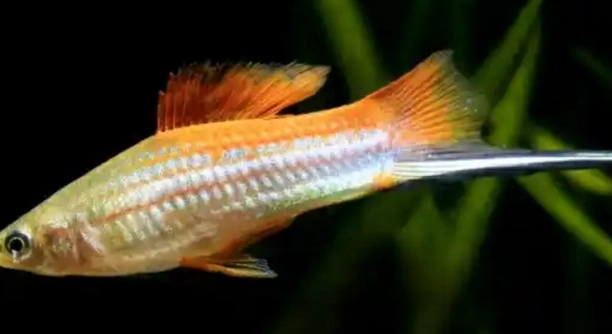
Male swordtails display a variety of unique behaviors during their breeding process. Understanding these behaviors can help provide insight into their natural instincts and improve the breeding experience for aquarists. Their actions often reflect specific goals in reproduction.
Male swordtails display seven key breeding behaviors, including courtship rituals, chasing, fin displays, and body positioning. These actions help males attract females, ensure successful fertilization, and secure their place in the breeding hierarchy of their species.
These behaviors highlight the complexity of male swordtail interactions and their efforts to ensure reproductive success.
Male Swordtail Courtship Display
Male swordtails are known for their elaborate courtship displays, which help them gain the attention of females. They use a series of movements to show off their physical attributes and entice a mate. One of the most common tactics is the fluttering of their elongated tail fin, which is meant to attract females. The male may also swim in tight, circular patterns, showing off his size and speed. This behavior can be seen as a competition with other males for the female’s attention, creating a visual spectacle in the tank.
These courtship rituals are not just for show; they serve an important purpose in the reproduction process. The behavior helps to demonstrate the male’s health and fitness to potential mates, increasing his chances of successful mating.
It’s essential to note that female swordtails are usually selective during the breeding process. They may ignore males who fail to display strong courtship behaviors. In a group setting, this behavior helps ensure that only the most fit males reproduce.
Chasing and Aggression
Male swordtails often chase each other during the mating season.
Chasing is another behavior commonly seen in male swordtails. This aggressive action occurs when males compete for the attention of a female. The male that can chase off rivals is often the one that gets the opportunity to mate. This competition can be intense, with males using their speed and agility to outpace each other. The displays of aggression are designed to intimidate, showing the competing males who is dominant.
The chasing behavior can escalate to more physical confrontations. Males may engage in fin nipping or even biting to assert dominance. These actions ensure that only the most dominant males pass on their genes, a trait rooted in evolutionary instincts.
However, it’s important to note that not all chasing leads to aggression. Sometimes, it’s simply a way to assert dominance and establish hierarchy.
Fin Displays
Male swordtails use their long, colorful fins to show off to potential mates. They often spread their fins wide to create a striking display, signaling their health and genetic fitness. This behavior is a visual cue for females, indicating that the male is strong and capable of passing on good genes.
In addition to the display, males may use their fins to herd females. This subtle movement encourages the female to follow him, leading her into an area where he can continue his courtship. The fin displays are not just attractive but also functional, helping males navigate social dynamics.
The intensity of the fin display varies depending on the male’s confidence and his competition. More dominant males will show off more frequently, while less confident males may hide or engage in fewer displays. Females, in turn, often observe these displays to make their selection.
Body Positioning
Swordtails also use body positioning during mating rituals.
Males will position themselves in specific ways to attract females. One common display is positioning their bodies vertically or horizontally in front of a female, often in a motion that mimics dancing. This positioning not only showcases their physical fitness but also allows them to show off their tail fins up close.
In some cases, males may even use the body positioning to push a female towards an area where they feel more secure or where they are less likely to be interrupted by rivals. By controlling the space around them, males enhance their chances of successful mating.
This behavior is more than just a visual display; it’s an interaction that helps males feel out the interest of the females and increases the likelihood of successful copulation.
Nipping and Biting
Male swordtails may also engage in nipping or biting behaviors during mating. This usually happens when one male feels threatened by another male. The biting can be directed toward the rival or even the female in an attempt to assert dominance. It’s part of the competitive nature of swordtails.
While these nips are often short and not harmful, they can sometimes escalate. Males will sometimes bite at the fins or body of the competitor. This can result in injury, although it is usually just part of the mating struggle.
Despite the aggression, nipping and biting are natural ways for males to establish their dominance in the breeding hierarchy. Females tend to choose males who exhibit strong, dominant behaviors during these encounters.
Territorial Behavior
Territorial behavior is another important aspect of male swordtail breeding.
During breeding, males often claim specific areas within the tank. They defend these spaces from other males, guarding their territory as they would a nesting site. The male will use displays, chasing, and even body positioning to prevent other males from entering his territory. These actions are key to securing a mate.
Territoriality also helps maintain order in the group. Males who have established their territory can focus on attracting females without interference from rival males. This behavior ensures that stronger, more dominant males get the opportunity to mate, increasing the overall fitness of the population.
Male-Female Interactions
Male and female interactions during breeding are key to successful reproduction.
Males will often approach females and display their fins, following them closely. This behavior helps establish the bond between male and female. While the males are aggressive toward each other, they tend to be much more gentle and attentive with females. These interactions create the conditions necessary for mating.
Females play a key role in these interactions as they observe the male’s behavior closely. Females are selective in their choice of mate, usually preferring males with more vibrant colors and stronger displays. Their behavior helps to ensure that only the fittest males reproduce.
FAQ
What is the best environment for breeding male swordtails?
Creating an ideal environment for male swordtail breeding requires a balanced and healthy tank. The water temperature should be between 75°F and 80°F, with a pH level of 7.0 to 8.0. The tank should also have plants, rocks, and hiding spots for the females to feel secure. The presence of plenty of swimming space allows males to display their courtship behaviors without interference. Keep the water clean, with regular water changes to prevent bacteria and algae buildup that could harm the fish. This setup encourages natural breeding and reduces stress, leading to healthier swordtails.
How do male swordtails attract females during breeding?
Male swordtails attract females primarily through visual displays. They use their elongated tails, which they spread out and flutter to catch the attention of potential mates. Males also engage in specific body movements, like swimming in tight circles or positioning themselves in front of the female, which mimics a dance. These actions are aimed at showing the female that the male is healthy and capable of successful mating. The most vibrant males, with the most impressive displays, are often the ones chosen by females, as their behavior signals genetic fitness.
Are male swordtails aggressive towards each other during breeding?
Yes, male swordtails can be aggressive during the breeding process. This aggression is mainly a result of competition for female attention. Males will chase each other, nip, and sometimes even engage in physical confrontations to assert dominance. These behaviors help determine which male is the strongest and most capable of mating. However, the aggression is not typically harmful and tends to be short-lived. The males focus more on out-competing one another rather than hurting each other, and once a dominant male is established, the aggression usually stops.
How can I tell if a male swordtail is ready to breed?
A male swordtail that is ready to breed will display several distinct behaviors. He will start showing off his tail fins, using them in an effort to attract females. His colors may become more vibrant, and he may begin swimming in tight circles around females, trying to catch their attention. Additionally, a male who is in breeding condition will often chase other males away to establish his dominance. If you observe these behaviors, it is likely that the male is preparing to mate.
Do male swordtails mate with multiple females?
Yes, male swordtails often mate with multiple females. During breeding seasons, males will court and mate with as many females as possible. This behavior is common among many fish species and is driven by the desire to increase reproductive success. Males will court females by showing off their fins and chasing off rivals, and if the female is receptive, the male will mate with her. Since swordtails practice internal fertilization, the male’s sperm is stored by the female and can fertilize eggs over time, allowing males to increase their chances of successful reproduction.
Can male swordtails mate with other species of fish?
Male swordtails will not mate with other species of fish, as they are very specific about their mating partners. Swordtails belong to the family Poeciliidae, and they typically only reproduce with other members of their species, such as other swordtails or similar closely related species. While hybridization can occur between closely related species in some cases, it is rare for swordtails to mate outside of their species. Even if crossbreeding were possible, the offspring might not be viable or could exhibit health issues.
How long do swordtail breeding behaviors last?
Swordtail breeding behaviors are typically seasonal and can last for several weeks to a few months, depending on the water temperature and environment. During this time, males are more active in courting females, displaying their fins and engaging in competitive behavior with other males. As long as the environmental conditions remain stable, these behaviors will continue. However, once the mating season ends, males usually become less aggressive and stop the intense displays of courtship. Female swordtails can store sperm for a while, so even after the courtship period ends, fertilization may continue.
What happens after male swordtails mate?
After mating, female swordtails will carry the fertilized eggs in their bodies for about 28 days. Male swordtails do not play a role in egg incubation or care. Once the female is ready to give birth, she will release live fry into the water. The fry are fully formed and capable of swimming away immediately. It is important to provide the female with a safe, stress-free environment during this period to avoid complications. Male swordtails generally stop their courtship behavior once mating is completed and focus on defending their territory.
Final Thoughts
Breeding behaviors in male swordtails are a fascinating part of their natural reproductive process. These behaviors, from fin displays to aggressive interactions, help ensure that the strongest and most fit males get the chance to reproduce. The male swordtail’s vivid colors and distinctive movements play a significant role in attracting females, while his ability to fend off rivals showcases his dominance. This complex set of behaviors highlights the male’s role in securing both mates and territory, which ultimately increases his chances of passing on his genes.
Understanding the way male swordtails interact during breeding gives valuable insight into their overall well-being and the importance of maintaining a healthy environment. Stress-free conditions, like stable water temperature, appropriate tank size, and a good balance of plants and hiding spots, are essential for encouraging natural behaviors. This understanding also makes it easier for fishkeepers to provide the best care possible for their swordtails, ensuring that they can thrive and reproduce in a controlled aquarium environment. By focusing on the needs of both the males and females, the aquarium setup becomes a place where swordtails can successfully breed.
While breeding behaviors in swordtails can sometimes appear aggressive, it is all part of the natural process. These behaviors are necessary for the continuation of the species and are not typically harmful unless the tank environment is overcrowded or stress levels are too high. Fishkeepers should be aware of these behaviors, as they are a normal and healthy part of swordtail life. When given the proper care, swordtails can breed successfully, providing a chance to raise new generations of these beautiful fish.

Hello,
If you enjoy the content that we create, please consider saying a "Thank You!" by leaving a tip.
Every little bit helps us continue crafting quality advice that supports the health, happiness, and well-being of pets around the world, for pets of all shapes, sizes, and species.
We really appreciate the kindness and support that you show us!