
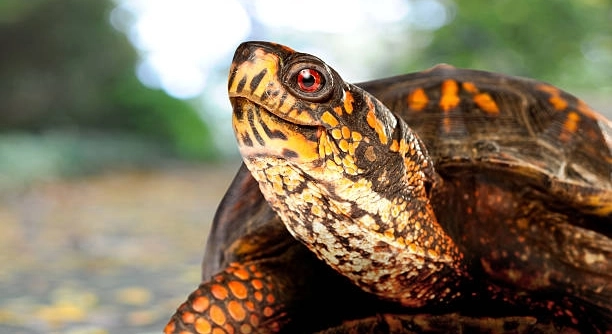
Box turtles are fascinating creatures, and observing them in the wild reveals behaviors you won’t see in captivity. These behaviors help them survive and thrive in their natural habitats. Here’s a look at what you might notice.
Box turtles exhibit various behaviors in the wild, including foraging, digging, and seeking shelter in different environments. These behaviors are essential for their survival. In their natural habitat, they display instincts and patterns that aren’t seen in captivity, where conditions are controlled.
These wild behaviors provide unique insights into the adaptability and instincts of box turtles. Learning about them adds to our understanding of their natural lifestyle.
1. Foraging for Food in the Wild
Box turtles are natural foragers. In the wild, they will search for a variety of foods like insects, fruits, and plants. Unlike in captivity, where their diet is often provided, wild box turtles need to rely on their instincts to find the right food. They use their keen sense of smell and sight to locate food sources, sometimes traveling large distances to find sustenance. This behavior is crucial for their survival and helps them stay healthy in their natural environment.
When box turtles forage, they often do so slowly and methodically, taking their time to inspect the area for potential food. Their movements are calm but deliberate, which helps them avoid predators. The food they find is also more varied, providing them with nutrients that may not be available in a captive diet.
In contrast, captive turtles may not need to exhibit such behavior, as their food is provided in a controlled environment. Observing a wild box turtle foraging highlights the difference between survival in nature and captivity.
2. Seeking Shelter in Various Environments
Box turtles instinctively seek shelter in different environments. They might hide under logs, rocks, or burrow into the ground when they feel threatened. These behaviors are essential for their protection, as they avoid predators by camouflaging themselves.
Shelter is vital for their safety, especially during colder months or in hot weather. Finding the right hiding spot helps regulate their body temperature and prevents dehydration. In the wild, box turtles will also adapt to different conditions, seeking shade or warmth depending on the weather. This survival skill helps them thrive in diverse climates.
3. Mating Rituals and Behaviors
During mating season, male box turtles can become more aggressive. They often approach females with persistent behavior like head bobbing and circling around them. This behavior is part of their courtship display, signaling the male’s intent to mate. The male may also use his shell to gently nudge the female.
The males are not shy about showing their interest, sometimes becoming quite persistent. When they do find a mate, the courtship can be lengthy, with the female having the final say. After mating, the female will look for a quiet, safe spot to lay her eggs. This process of finding a suitable nesting site is just as crucial as mating itself.
Male box turtles display unique tactics to win the attention of females. Once successful, they ensure that the eggs are laid in a safe, protected area, which is vital for the survival of the hatchlings. This careful process reflects their instinctive drive for reproduction.
4. Territorial Behavior
Box turtles are territorial animals and will often defend their space. They are known to mark their territory with scent glands located near their tail. When a box turtle feels its space is being invaded, it may show signs of aggression, including hissing and posturing.
This territorial behavior helps box turtles establish their dominance and avoid unnecessary conflicts. When two males encounter each other, they may engage in physical displays like pushing or chasing each other. These behaviors are not just for asserting dominance but also help in securing resources like food and space for basking.
If a turtle feels that its territory is under threat, it may retreat to a safe hiding spot. The territorial instincts in wild box turtles ensure they maintain control over their environment, which is crucial for their overall survival.
5. Nesting Behavior
Box turtles are meticulous when selecting a nesting site. The female will carefully choose a location with soft, loose soil to dig her nest. She uses her back legs to scoop out the soil, creating a secure spot to lay her eggs. This behavior ensures the eggs remain safe and protected from predators.
The female may spend several hours digging before laying her eggs. Afterward, she covers the nest with soil and leaves the area. This nesting behavior is instinctive, and the location chosen is crucial for the survival of the young turtles once they hatch.
6. Hibernation Habits
Box turtles enter hibernation during colder months. As temperatures drop, their metabolic rate slows, and they seek shelter in burrows, logs, or other natural hiding spots. This hibernation behavior helps them conserve energy until spring arrives.
During hibernation, box turtles can remain dormant for weeks or months, depending on the climate. Their body temperature drops significantly, and they enter a state of torpor. This helps them survive harsh conditions when food and water are scarce.
7. Basking in the Sun
Basking is a vital behavior for box turtles. They will often spend time in the sun, soaking in warmth to regulate their body temperature. This is especially important since box turtles are cold-blooded and rely on external heat sources to stay active.
FAQ
What do box turtles eat in the wild?
In the wild, box turtles have a varied diet. They are omnivores, which means they eat both plant and animal matter. Their diet includes insects like worms, beetles, and grasshoppers, as well as fruits, berries, and various plants. They also enjoy mushrooms and some types of leaves. The availability of these food sources depends on the time of year and their environment. Box turtles will forage throughout the day, slowly moving through their habitat in search of food. They have a keen sense of smell and can detect food from a distance, helping them survive in the wild.
How do box turtles find their food?
Box turtles are skilled foragers. They use a combination of their senses—particularly sight and smell—to find food. They often wander through their habitat, inspecting plants, dirt, and rocks for possible food sources. They may also use their sense of touch to explore the ground, looking for insects or small creatures hiding in the leaves or soil. Their slow, methodical movement allows them to check every corner of their environment for food. Unlike in captivity, where food is provided, they rely entirely on their instincts to locate the right food in the wild.
Why do box turtles dig?
Box turtles dig for several reasons. One of the most important is to find shelter or create a nesting site. They dig to bury themselves and stay protected from predators or harsh weather. During mating season, females dig to lay their eggs in a secure spot. Box turtles also dig to regulate their body temperature or to find moisture, especially during dry spells. Digging helps them stay safe and healthy in their natural environment, and it is an essential behavior that ensures their survival.
Where do box turtles live in the wild?
Box turtles are found in a variety of habitats in the wild. They prefer wooded areas, forests, and grasslands with access to water sources like ponds, streams, or marshes. These environments provide them with shelter, food, and the opportunity to regulate their body temperature through basking in the sun. They tend to avoid open, dry areas where they could be exposed to predators. Box turtles also thrive in environments with plenty of ground cover like fallen leaves, grasses, and logs, which provide them with protection and hiding spots.
How do box turtles protect themselves from predators?
Box turtles have several ways to protect themselves from predators. Their most effective defense is their hard, protective shell. When threatened, they retreat into their shell, closing it tightly to shield themselves from danger. The shell is a tough barrier, making it difficult for predators to get through. In addition to their shell, box turtles use their slow movements to remain hidden in their environment. They rely on camouflage to blend into their surroundings and avoid detection. Their ability to remain still for long periods also helps them stay undetected by predators.
How do box turtles mate in the wild?
Mating season for box turtles involves distinctive courtship behaviors. Male box turtles often engage in head bobbing, circling around the female, and sometimes gently nudging her with their shells. This behavior signals the male’s interest and is part of the mating ritual. Once the female has accepted the male, they mate, and the female then searches for a quiet, safe place to lay her eggs. She digs a hole and carefully deposits her eggs before covering the nest and leaving. The eggs will hatch in a few months, depending on environmental conditions.
Do box turtles hibernate?
Yes, box turtles do hibernate, but not all box turtles hibernate in the same way. In colder climates, box turtles enter a period of dormancy during the winter months, when food and water are scarce. They will dig into the soil, under logs, or find a sheltered spot to stay warm and conserve energy. During hibernation, box turtles’ metabolism slows, and they remain inactive for weeks or even months, depending on the weather. This hibernation behavior is vital for their survival, as it allows them to survive harsh winter conditions when they cannot find food.
Final Thoughts
Box turtles are fascinating creatures with unique behaviors that make them well-suited for survival in the wild. From their slow and steady movements to their impressive ability to protect themselves with their hard shells, these animals are built to thrive in a variety of environments. Whether they are foraging for food, mating, or digging for shelter, box turtles have developed instincts that help them adapt to their surroundings. Understanding their natural behaviors gives us a deeper appreciation for their role in the ecosystem and the challenges they face in the wild.
As we learn more about box turtles, it becomes clear that their survival depends heavily on their environment. They rely on specific habitats to find food, shelter, and safety. Protecting these habitats is essential for ensuring the long-term survival of box turtles. As with many wild animals, changes in their environment, such as habitat loss or pollution, can have significant impacts on their health and well-being. Therefore, it is crucial that we work towards preserving the natural spaces where these turtles live, so they can continue to thrive.
While box turtles can adapt to various conditions, they still face many threats in the wild. From predators to environmental changes, their lives are filled with challenges. However, with the right conditions and enough protection, they can continue to live out their natural behaviors. By understanding their needs and the roles they play in their ecosystems, we can help ensure that box turtles remain a part of our natural world for generations to come.

Hello,
If you enjoy the content that we create, please consider saying a "Thank You!" by leaving a tip.
Every little bit helps us continue crafting quality advice that supports the health, happiness, and well-being of pets around the world, for pets of all shapes, sizes, and species.
We really appreciate the kindness and support that you show us!