
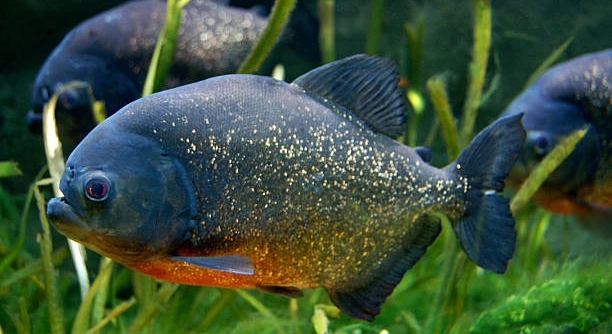
Many people find piranhas fascinating yet mysterious creatures. These fish have unique behaviors that show their curious nature. Understanding their body movements can help reveal more about how they interact with their surroundings.
Seven specific body movements are linked to piranha curiosity. These include fin flicking, head tilting, slow approach, body orientation, tail movement, eye tracking, and sudden pauses. Each behavior indicates how piranhas explore and respond to new stimuli in their environment.
Learning about these movements gives a clearer picture of piranha behavior. Recognizing these signs can help anyone better appreciate these often misunderstood fish.
Fin Flicking and Head Tilting
Fin flicking is one of the most noticeable movements piranhas use when they are curious. This quick, sharp motion of their fins helps them sense changes in water currents or nearby objects. It also signals alertness as they gather information about their surroundings. Along with fin flicking, head tilting shows interest or focus. When a piranha tilts its head, it often tries to get a better look or angle on something unfamiliar. These movements work together to help the fish decide whether to investigate further or stay cautious.
These small but meaningful motions give clues about what the piranha is paying attention to. They show how piranhas gather sensory input beyond just swimming around.
Understanding fin flicking and head tilting can improve how we read piranha behavior. It reveals a thoughtful side to their actions and shows that their curiosity is active and deliberate.
Slow Approach and Body Orientation
Slow approach is when a piranha moves carefully toward something new. This movement shows curiosity mixed with caution. The fish doesn’t rush but takes time to observe and analyze. Body orientation plays a role here too. Piranhas often angle their bodies to better assess objects or other fish. This positioning allows them to prepare for either interaction or retreat.
When a piranha slowly approaches and adjusts its body, it is gathering detailed information. These movements help the fish decide if it should engage or avoid the situation, highlighting its careful and curious nature.
Tail Movement and Eye Tracking
Tail movement in piranhas is a clear sign of their curiosity. A gentle wag or flick shows they are alert and interested. It’s not always about swimming fast—sometimes small tail actions indicate attention to something new nearby.
This subtle tail movement helps piranhas maintain balance while they inspect their surroundings. By adjusting their tails, they can change direction quickly or stay steady when focusing on an object. Tail flicks often accompany other curious behaviors, signaling readiness to react.
Eye tracking is another important movement linked to curiosity. Piranhas follow moving objects with their eyes, showing active engagement. Their eyes shift to track something unfamiliar, helping them gather information before deciding what to do next.
Sudden Pauses and Their Meaning
Sudden pauses are a key behavior piranhas use to process what they observe. When they stop swimming abruptly, it means they are focused and assessing their environment carefully. This pause often happens after spotting something new or unexpected.
These pauses let piranhas gather sensory details and prepare for the next move. It shows a thoughtful approach rather than quick, instinctive reactions. During the pause, they might use other movements like fin flicking or eye tracking to understand the situation better.
Recognizing sudden pauses can help interpret how piranhas think and react to stimuli. It highlights their cautious but curious nature, which is important for survival in their habitat.
Body Orientation and Positioning
Body orientation shows how piranhas direct their attention. They often angle themselves toward objects or creatures they find interesting. This positioning helps them gather more information efficiently.
By adjusting their bodies, piranhas can quickly switch between watching and reacting. It’s a key part of how they explore their environment without exposing themselves to danger.
Head Movements and Exploration
Piranhas use small head movements to explore details. Nodding or slight turns help them change their view and focus on different aspects. These movements allow them to inspect objects carefully before making decisions about approaching or avoiding.
Such head motions reveal how actively piranhas process new information. It’s a sign of their cautious and methodical curiosity.
Subtle Signs of Awareness
Even the smallest body movements can signal piranha awareness. These subtle cues are part of how they communicate curiosity and caution in their environment.
FAQ
What do fin flicking and head tilting mean in piranhas?
Fin flicking is a quick movement that helps piranhas sense changes in water and nearby objects. It shows they are alert. Head tilting means the piranha is focusing on something new, trying to get a better view or understand it better. Together, these movements show the fish’s curiosity and awareness of their environment.
How does tail movement relate to piranha curiosity?
Tail movements like gentle flicks or small wags help piranhas stay balanced when exploring something interesting. These subtle motions prepare them to move quickly if needed and signal their alertness. Tail movement often happens with other curious behaviors such as eye tracking or body orientation.
Why do piranhas suddenly pause when swimming?
A sudden pause means the piranha is carefully observing something. It is not rushing to react but instead processing what it sees or senses. This behavior shows a thoughtful approach to new situations, letting the fish gather information before deciding what to do next.
What does body orientation tell us about piranha behavior?
Body orientation is how a piranha angles itself toward something interesting. This helps it focus on the target while keeping the rest of its body ready to move or retreat. Proper positioning is important for both investigation and safety in their habitat.
How do piranhas use eye tracking?
Eye tracking means following a moving object or creature with their eyes. This shows active interest and helps piranhas gather detailed information. By tracking with their eyes, they can monitor changes and prepare to respond appropriately.
Are head movements important for piranha curiosity?
Yes, small head movements like nodding or turning let piranhas examine objects from different angles. These movements show how they carefully process new information before taking any action. Head movements are part of their cautious and methodical way of exploring.
Can body movements indicate piranha mood?
Many body movements, such as fin flicking or tail wagging, reflect curiosity but can also show alertness or caution. Observing these signs together helps understand how a piranha feels about its environment or what it encounters.
Do piranhas communicate curiosity with other fish?
Piranhas use body language to signal interest or caution, which can be noticed by other fish. Movements like slow approaches or sudden pauses might warn others or invite interaction, depending on the situation.
How can recognizing these movements help aquarium owners?
Knowing these behaviors helps owners understand when piranhas are curious, stressed, or comfortable. This knowledge aids in providing a better environment and spotting issues early, improving fish care.
Is curiosity in piranhas linked to survival?
Yes, curiosity helps piranhas explore their surroundings, find food, and avoid threats. Their careful and deliberate movements make them effective hunters and cautious about dangers in the water.
Final thoughts on piranha curiosity show us how much can be learned just by watching their movements. Each small action—from fin flicking to sudden pauses—reveals a lot about how these fish interact with their environment. Piranhas are often seen only as fierce predators, but their curious behaviors show they have a careful and thoughtful side. Understanding these movements helps us appreciate their intelligence and adaptability in the wild.
Observing piranhas closely allows us to see their cautious nature. They don’t rush into things but instead take time to explore with small, deliberate movements. This methodical curiosity is important for their survival. It helps them decide when to investigate, when to stay back, and when to prepare to swim away quickly. These actions are not random; they are clear signals that the piranha is gathering information and making decisions based on what it senses around them.
By paying attention to these signs, whether in the wild or in aquariums, we can better understand piranha behavior and needs. This understanding can improve how we care for them and how we study them in natural habitats. Recognizing curiosity through body language offers a window into the lives of these fish beyond their reputation. It reminds us that piranhas, like many animals, use simple but effective ways to interact with the world and ensure their well-being.

Hello,
If you enjoy the content that we create, please consider saying a "Thank You!" by leaving a tip.
Every little bit helps us continue crafting quality advice that supports the health, happiness, and well-being of pets around the world, for pets of all shapes, sizes, and species.
We really appreciate the kindness and support that you show us!