
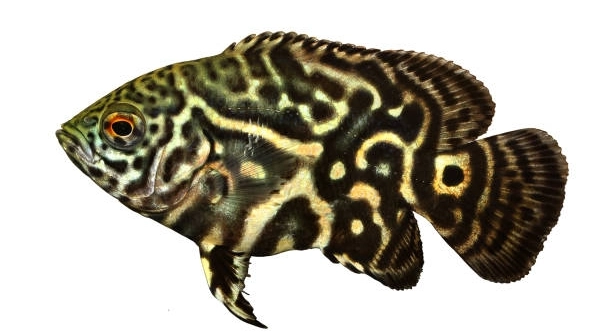
Oscar fish are known for their fascinating behaviors, but some of their habits may seem strange at first. These quirks often leave their owners wondering what’s going on inside their aquatic world. Let’s explore some of these bizarre habits.
Oscar fish have several unique behaviors that are harmless but intriguing. From splashing water to changing colors, these actions are part of their natural instinct. While they may seem odd, they are simply communicating or responding to their environment.
Understanding these behaviors can improve your relationship with your Oscar fish. By learning why they act the way they do, you’ll better appreciate these fascinating creatures in your home aquarium.
Splashing Water
Oscar fish are known to splash water from their tanks. This behavior can be startling, but it’s often a natural instinct. These fish may splash water when they’re excited or seeking attention. They may also do it when they feel threatened or need to mark their territory.
Splashing is typically harmless and is a way for Oscar fish to communicate. They may splash water near the surface or against the side of the tank as a form of signaling. It’s essential to ensure their tank is large enough and equipped with proper filtration to prevent stress and promote healthier behavior.
Though the splashing can be loud, it’s generally not something to worry about. It’s just the Oscar fish’s way of expressing themselves or reacting to their environment. Over time, you’ll likely notice that it happens less frequently as they grow accustomed to their surroundings.
Color Changing
Oscar fish are well known for their ability to change color. This color shift is influenced by several factors, including mood, health, and water conditions. When stressed, they may turn darker, while brighter colors often indicate excitement or happiness.
The color change is a natural response to their environment and can be seen as a way for them to communicate with other fish or adapt to changes in their surroundings. Healthy Oscar fish will typically display bright, vibrant colors, while duller shades might indicate illness or discomfort.
If your Oscar’s colors appear dull for extended periods, it might be a sign to check water quality or assess any stress factors. Maintaining stable water conditions and feeding them properly will help ensure their colors stay vibrant. These color shifts are part of their communication system, signaling their well-being and readiness for interaction.
Nipping at Tank Mates
Oscar fish are notorious for their nipping habits. They might occasionally nip at tank mates, especially if they feel territorial or are not used to other fish. This behavior is typical for a fish that has a strong sense of ownership over its space.
Nipping can also occur when Oscar fish are bored or looking for stimulation. They may target slower-moving fish or those that wander too close to them. Although this behavior is usually harmless, it’s best to keep Oscar fish with similar-sized or faster tank mates to minimize aggression.
Ensuring plenty of space and hiding spots for each fish can help reduce nipping. It also helps to keep Oscar fish well-fed and mentally stimulated to curb unwanted behaviors. By managing tank dynamics, you can ensure peaceful cohabitation among your fish.
Glass Surfing
Glass surfing occurs when Oscar fish repeatedly swim along the glass of their tank. This behavior is a way for them to explore their environment or simply burn off excess energy.
While it may seem strange, glass surfing is generally not harmful. It often happens when the fish are active or curious about something outside the tank. This could include reflections, changes in lighting, or even your movements near the aquarium. It’s also more common when they feel confined in a smaller tank.
Providing ample space for swimming and ensuring the tank is enriched with objects to explore can reduce this behavior. Keeping Oscar fish entertained with tank mates, decorations, and regular feeding schedules can help prevent them from becoming overly fixated on the glass.
Jumping Out of the Tank
Oscar fish are known to occasionally jump out of their tanks. This behavior often happens when they feel threatened or if their tank is too small. It’s also more likely to occur when they are startled by sudden movements or changes in their environment.
To prevent your Oscar from jumping, ensure the tank has a secure lid. A jump can cause injury or even be fatal if they land outside the tank for too long. Also, consider providing hiding spaces within the tank to help them feel secure. Reducing environmental stress can keep them from feeling the need to leap out.
Excessive Hiding
Oscar fish may hide frequently, especially in new environments or when they feel stressed. They often seek refuge in dark corners or under objects. This behavior is normal but can become problematic if it happens too often.
It’s important to create a stable, stress-free environment for your Oscar. Make sure the tank is well-maintained and the water quality is optimal. Healthy fish are less likely to hide excessively, so maintaining proper tank conditions can help prevent this behavior. Providing plenty of hiding spots can also give your Oscar a safe space without causing undue stress.
Aggression During Feeding
Feeding time can bring out aggressive behaviors in Oscar fish. They are known for being fast eaters, and they might fight other tank mates for food. This aggression can lead to injuries if not managed properly.
To avoid this, feed your Oscar fish in a separate area or at scheduled times to ensure they aren’t competing with other fish. It’s also essential to provide a varied diet to keep them satisfied and reduce food aggression. By creating a calm feeding routine, you can reduce aggressive behavior during meal times.
FAQ
Why do my Oscar fish chase each other?
Oscar fish are naturally territorial, and chasing each other is often a way for them to assert dominance or establish boundaries. This behavior is common, especially if they are housed in a tank that feels too small. Oscars may also chase other fish if they feel stressed or threatened. It’s important to ensure your tank is large enough to give each fish space and reduce territorial disputes. Adding plants, rocks, or other decorations can help create visual barriers, offering each fish a place to claim as its own.
Are Oscar fish aggressive towards other fish?
Yes, Oscar fish can be aggressive towards other tank mates, especially if they feel their territory is being invaded. Their size, strength, and predatory nature make them a challenge to house with smaller or more passive fish. It’s best to keep Oscars with other large, robust fish that can hold their own. Keeping Oscars with similar-sized fish or those with similar temperaments reduces the chance of aggression. Providing plenty of hiding spots and feeding them separately can also help minimize conflict.
Can Oscar fish live with smaller fish?
Oscar fish are typically not suitable tank mates for smaller fish. Their natural hunting instincts make them more likely to prey on fish that are small enough to fit in their mouths. Even if they don’t directly hunt, smaller fish may be bullied or stressed by an Oscar’s aggressive behavior. If you want to keep Oscars with other fish, ensure they are large, fast swimmers or fish with protective defenses. Always monitor their interactions, especially during feeding times.
Why does my Oscar fish swim upside down?
If your Oscar fish is swimming upside down, it may be a sign of a health issue. This abnormal behavior can indicate swim bladder disease, which affects the fish’s ability to maintain proper buoyancy. Swim bladder disease can be caused by overfeeding, poor water conditions, or an infection. If you notice this behavior, check the water parameters immediately, as poor water quality can exacerbate the condition. It’s important to consult an aquarium professional or veterinarian to address the issue and restore the fish’s health.
What should I feed my Oscar fish?
Oscar fish are carnivores and require a diet high in protein. A varied diet of pellets, live foods like feeder fish, and frozen options such as shrimp or worms is ideal. You should also offer occasional plant-based foods, like blanched vegetables, to provide variety and nutrients. Overfeeding should be avoided, as it can lead to obesity and health problems. Make sure to feed them once or twice a day, offering only what they can consume in a few minutes to maintain a healthy feeding routine.
How often should I change the water in my Oscar fish tank?
Oscar fish produce a lot of waste, which can quickly degrade water quality. As a general rule, you should change about 25-30% of the water in the tank every 1-2 weeks. However, this depends on tank size, filtration, and the number of fish. If the tank is smaller or heavily stocked, you may need to change the water more frequently. Always monitor water parameters, such as ammonia, nitrites, and nitrates, to ensure the environment stays healthy. Regular water changes are key to keeping Oscar fish happy and healthy.
Can Oscar fish live alone?
Yes, Oscar fish can live alone and often do best when they are the sole occupant of the tank. They are highly territorial and may become aggressive towards other fish, especially if their space is encroached upon. While Oscars can get along with other large fish in the right conditions, they are equally content living by themselves. A solitary Oscar can develop a strong bond with its owner, displaying more personality and less stress. Just be sure to provide enough space for your Oscar to thrive.
What size tank do I need for an Oscar fish?
Oscar fish require a large tank to thrive. A minimum of 55 gallons is recommended for a single Oscar, but larger tanks (75 gallons or more) are preferable, especially if you plan to keep multiple Oscars or other large fish. Oscars need plenty of space to swim and explore, and a larger tank will help reduce aggression and territorial disputes. It’s also essential to have a powerful filtration system, as Oscars are messy eaters and produce a lot of waste.
Why does my Oscar fish scratch itself against objects?
If your Oscar fish is rubbing against objects in the tank, it could be a sign of irritation or discomfort. This behavior often indicates the presence of parasites, such as ich or velvet, which can cause skin lesions or itching. Another possibility is poor water quality, which can lead to skin irritation. If you notice this behavior, check the water parameters and perform a water change. If the issue persists, consider consulting an aquarium professional for treatment options and ensuring the fish is free from parasites.
Can Oscar fish change gender?
Oscar fish do not change gender. Like most fish species, Oscars are sexually dimorphic, meaning there are distinct male and female fish. Males tend to be slightly larger with more vibrant colors, while females often have a rounder, fuller body, especially when they are carrying eggs. However, it can be difficult to tell the gender of Oscars until they reach maturity, as their physical differences are not always obvious. If you’re trying to breed Oscars, ensuring a healthy pair is important for successful reproduction.
Final Thoughts
Oscar fish can be fascinating and rewarding pets, but their unique behaviors may take some time to understand. They are active, territorial, and have specific needs when it comes to tank size, water quality, and companionship. Knowing what to expect from your Oscar can help you create a more comfortable environment for both you and your fish. These fish are highly intelligent, with a curious nature that leads them to interact with their surroundings. However, their territorial nature and sometimes aggressive behavior mean that care must be taken in selecting tank mates and managing their space.
Managing Oscar fish requires attention to detail, from providing enough space to maintaining optimal water conditions. They thrive in larger tanks where they can swim freely and claim territories. A well-planned setup with hiding spots and enough space between tank mates can prevent many issues, such as aggression and stress. Regular water changes and high-quality filtration are crucial for keeping your Oscar fish healthy, as they produce a lot of waste. By focusing on their physical and mental well-being, you can prevent many common issues and ensure a happier, healthier fish.
Despite their sometimes challenging nature, Oscar fish can be very rewarding to care for. With proper attention, they will not only thrive but also develop unique personalities. They are known to recognize their owners and interact with them in ways other fish may not. Understanding the behaviors of Oscar fish, such as their occasional aggression or hiding habits, allows you to create an environment that is both safe and enriching for them. With the right care, your Oscar fish can live a long and fulfilling life, providing you with years of companionship and fascination.

Hello,
If you enjoy the content that we create, please consider saying a "Thank You!" by leaving a tip.
Every little bit helps us continue crafting quality advice that supports the health, happiness, and well-being of pets around the world, for pets of all shapes, sizes, and species.
We really appreciate the kindness and support that you show us!