
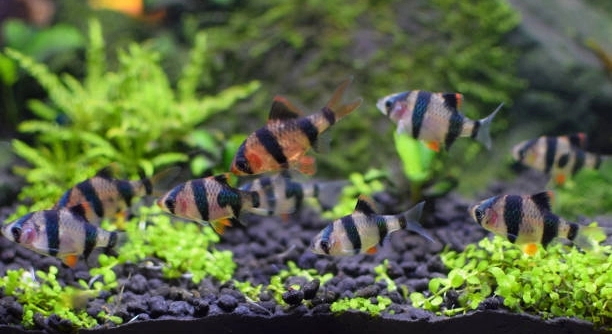
Tiger barbs are lively fish often kept in home aquariums. Injuries to these fish can happen due to rough tank conditions or fights. Knowing how to treat their wounds is important for their health and recovery.
Treating tiger barb injuries involves cleaning the wound, isolating the injured fish, using appropriate medications, maintaining clean water, and monitoring the healing process to prevent infection and promote recovery effectively.
Taking care of injured tiger barbs early improves their chances of healing and keeps your aquarium healthy and peaceful.
Common Causes of Tiger Barb Injuries
Tiger barbs can get injured for several reasons. Sometimes, their sharp fins or teeth cause accidental nips during swimming or fighting for territory. Overcrowding in the tank also increases stress and aggression, leading to more injuries. Poor water quality can weaken their immune system, making them more vulnerable to infections and wounds. Rough decorations or sharp objects inside the aquarium may accidentally scratch or harm them as well. In many cases, injuries happen when the fish are stressed or uncomfortable in their environment. Knowing these causes helps prevent further harm and keeps your fish healthier. Observing your tank setup and the behavior of your tiger barbs regularly can reduce the risk of injuries and improve their overall wellbeing.
Watching your fish interact closely can help you spot early signs of trouble. Acting quickly when injuries appear prevents serious complications.
By keeping the tank clean, avoiding overcrowding, and removing any sharp objects, you create a safer home for your tiger barbs. Monitoring their behavior helps catch aggression early so it can be managed. Taking these simple steps can save you a lot of worry and effort later on.
Cleaning and Caring for Injuries
Cleaning the wound is the first and most important step after you notice an injury. Use clean, soft water to gently rinse the affected area and remove dirt or debris. Avoid using harsh chemicals or soap, as these can harm your fish further. If needed, you can use aquarium salt in the water to help disinfect and promote healing. After cleaning, keep the injured fish in a separate quarantine tank to prevent stress and reduce the chance of spreading infection. Make sure the quarantine tank has clean water, proper temperature, and gentle filtration. Use medications recommended for fish wounds if the injury looks serious or infected. Regularly check the wound for signs of improvement or worsening. Keeping the tank clean and maintaining good water quality supports the healing process and prevents future injuries.
Proper care and cleaning help the fish heal faster and avoid infections.
When cleaning wounds, gentle handling is key to avoid causing more stress. Separating the injured fish also protects others and allows better treatment. Using the right medicine when necessary ensures infections don’t take hold. Good water quality supports natural healing and overall fish health. Always observe closely to adjust care as needed.
Isolating Injured Tiger Barbs
Separating injured tiger barbs quickly reduces stress and prevents further injury. A quarantine tank helps protect them from aggressive tank mates while they heal.
A quarantine tank should be prepared with clean, dechlorinated water matching the main tank’s temperature and pH. Avoid strong filters or heavy water flow that may stress the fish. Keep the tank quiet and dimly lit to help the fish stay calm. Regularly check water quality and change the water as needed to keep it fresh. Isolation not only helps the injured fish heal but also prevents the spread of disease or infection to others. Be patient, as healing can take days to weeks depending on the injury.
Using a quarantine tank for injured tiger barbs provides a safe space to recover. Make sure to monitor water conditions and adjust as needed. Avoid adding any new fish to the quarantine tank during treatment to reduce stress.
Using Medication for Injuries
Treating injuries often requires medication to fight infections. Antibiotic or antifungal treatments may be necessary depending on the wound’s condition.
Select medications designed for aquarium use, following instructions carefully. Overuse or incorrect dosing can harm your fish or tank environment. Monitor the injured fish daily to see how it responds to treatment. Stop medication once the wound shows clear signs of healing to avoid resistance. Keeping the quarantine tank clean during treatment is essential. Medication alone is not enough; good water quality and proper nutrition support recovery. Consult a vet or fish specialist if the injury worsens or shows no improvement.
Medication is a key part of effective injury treatment but must be used responsibly. Observe your fish closely to adjust treatment as needed for the best results.
Maintaining Water Quality
Clean water is vital for healing tiger barb injuries. Dirty water can cause infections and slow recovery. Regular water changes keep the environment healthy.
Use a good filter and test water parameters often. Keeping ammonia and nitrite levels at zero helps prevent stress and promotes healing.
Proper Nutrition for Healing
Good nutrition supports your tiger barbs’ immune system. Feed them high-quality food rich in vitamins and minerals to help tissue repair. Offering varied foods like flakes, pellets, and occasional live or frozen treats ensures they get balanced nutrients. Avoid overfeeding, which can pollute the water and stress the fish. Healthy fish recover faster and resist infections better.
Monitoring Healing Progress
Watch your injured fish daily. Look for signs of improvement like reduced redness, less swelling, and normal behavior. Early detection of problems helps adjust treatment quickly.
Preventing Future Injuries
Keep the tank clean, avoid overcrowding, and provide smooth decorations to protect your tiger barbs from new wounds.
How can I tell if my tiger barb’s injury is serious?
Serious injuries often show deep cuts, heavy bleeding, or large areas of missing scales. If your fish is lethargic, stops eating, or swims erratically, these are also warning signs. Minor scratches usually heal on their own, but deep wounds need prompt care. Watch closely for swelling or white patches, which could indicate infection. Early treatment increases chances of full recovery.
What is the best way to clean a tiger barb’s wound?
Gently rinse the injured area with clean, dechlorinated water or aquarium salt solution. Avoid using soap or chemicals. Use a soft cloth or cotton swab if needed but be very careful not to hurt the fish more. Cleaning should be done in a calm environment to reduce stress.
Should I always isolate injured tiger barbs?
Yes, isolating injured fish in a quarantine tank is recommended. It prevents further harm from tank mates and reduces stress. The quarantine tank should have clean water with similar conditions as the main tank, but with gentle filtration and low lighting. Isolation also allows for easier monitoring and medication application.
How often should I change water in the quarantine tank?
Change about 25-50% of the water every two to three days. This helps maintain good water quality without shocking the fish. Use dechlorinated water that matches temperature and pH. Frequent partial changes reduce harmful waste buildup and keep healing conditions optimal.
What medications are safe to use for treating wounds?
Use aquarium-safe antibacterial or antifungal medicines designed for fish. Popular options include Melafix, Pimafix, or specific antibiotic treatments. Follow the product instructions carefully to avoid overdosing. If unsure, consult a vet or aquarium specialist before applying any medication.
Can aquarium salt help with injuries?
Yes, aquarium salt can aid healing by reducing stress and fighting minor infections. Use it in low doses (usually about 1 teaspoon per gallon). Salt should not be used with plants or sensitive species in the tank. Always dissolve salt fully before adding it to the quarantine tank.
How long does it take for a tiger barb to heal?
Healing time varies depending on the injury’s severity. Minor wounds may heal in a few days, while deeper cuts or infections can take several weeks. Continue treatment until the wound looks fully healed and the fish behaves normally. Patience is important.
What signs indicate an infection in my injured fish?
Watch for white or fuzzy patches on wounds, redness spreading beyond the injury, swelling, or cloudy eyes. The fish may also scratch itself against decorations or swim abnormally. Infections require immediate treatment to prevent worsening or death.
Can stress cause injuries in tiger barbs?
Yes, stress increases aggression and weakens the immune system. Overcrowding, poor water quality, and sudden changes in environment often cause stress. Reducing stress by providing enough space, clean water, and stable conditions lowers the chance of injuries.
How can I prevent my tiger barbs from hurting each other?
Avoid overcrowding by keeping the right number of fish for your tank size (about one inch of fish per gallon is a good rule). Provide plenty of hiding spots and decorations to reduce territorial fights. Feeding regularly and avoiding sudden changes can also help.
Is it safe to return an injured fish to the main tank immediately after treatment?
Only return the fish once it shows full recovery—normal swimming, appetite, and no visible wounds. Sudden reintroduction too early can cause stress and re-injury. Acclimate the fish slowly to the main tank conditions to avoid shock.
What should I do if my injured tiger barb does not improve?
If there is no healing after two weeks, or if the fish’s condition worsens, seek advice from a vet experienced with fish. Sometimes injuries become too severe for home care. Professional help may include stronger medications or special treatments.
Can poor diet slow down healing?
Yes, poor nutrition weakens fish and delays recovery. Feeding a balanced diet with quality flakes, pellets, and occasional live or frozen food boosts the immune system. Vitamins like vitamin C support tissue repair.
Are there any natural remedies for tiger barb injuries?
Some aquarium keepers use natural options like Indian almond leaves or salt baths to support healing. These can reduce stress and have mild antibacterial effects. However, natural remedies should complement, not replace, proper cleaning and medication when needed.
How do I know when to stop medication?
Stop medication once the wound looks fully healed, redness is gone, and the fish behaves normally. Prolonged use can harm beneficial bacteria and lead to resistance. If unsure, follow product guidelines or ask a specialist.
What role does tank environment play in injury prevention?
A clean, stable environment reduces stress and aggression. Proper tank size, gentle filtration, and hiding places minimize fighting and accidents. Regular maintenance keeps water safe and supports fish health, lowering injury risks.
Is it normal for tiger barbs to nip each other?
Some fin nipping is natural behavior but excessive aggression causes injuries. Monitoring behavior helps decide if tank conditions need adjustment or if fish should be separated.
Can injured tiger barbs survive without treatment?
Minor injuries sometimes heal on their own in a healthy tank. However, untreated wounds risk infection, slow healing, or death. Early treatment greatly improves survival chances.
How to handle tiger barbs gently during treatment?
Use a soft net and calm movements to avoid stressing the fish. Minimize handling time and keep the fish wet at all times during any procedure.
What should I avoid when treating tiger barb injuries?
Avoid harsh chemicals, overfeeding, overcrowding, and rapid temperature changes. These factors cause stress and delay healing. Always use aquarium-safe products and handle fish carefully.
This FAQ covers key points to help you care for injured tiger barbs effectively and keep your aquarium a safe, healthy space.
Caring for injured tiger barbs requires patience and attention. When these lively fish get hurt, it is important to act quickly and carefully. Cleaning wounds gently and isolating the injured fish can make a big difference in their recovery. Keeping the water clean and using the right medication helps prevent infections and speeds healing. Paying close attention to their behavior and the condition of their wounds allows you to adjust care as needed. With proper treatment, most injuries can heal well, and your fish can return to their normal active lives.
Creating a healthy environment is just as important as treating injuries. Overcrowding and stress increase the chance of fights and wounds among tiger barbs. Making sure the tank has enough space, smooth decorations, and hiding spots reduces aggression. Regular water changes and proper filtration keep the water quality high, which supports your fish’s immune system. Feeding your tiger barbs a balanced diet strengthens them and helps them recover faster when they are hurt. A calm, well-maintained tank prevents many problems and keeps your fish happy and healthy.
Healing takes time, so it is important to be patient and consistent with care. Sometimes wounds may look worse before they get better, but with proper attention, most injuries improve steadily. Avoid rushing to return injured fish to the main tank too soon, as this can cause stress or reinjury. Instead, give them a quiet space to rest and recover. Watching closely for any signs of infection or changes in behavior helps catch problems early. Taking these steps not only helps your tiger barbs heal but also builds a stronger and more peaceful aquarium for all your fish.

Hello,
If you enjoy the content that we create, please consider saying a "Thank You!" by leaving a tip.
Every little bit helps us continue crafting quality advice that supports the health, happiness, and well-being of pets around the world, for pets of all shapes, sizes, and species.
We really appreciate the kindness and support that you show us!