
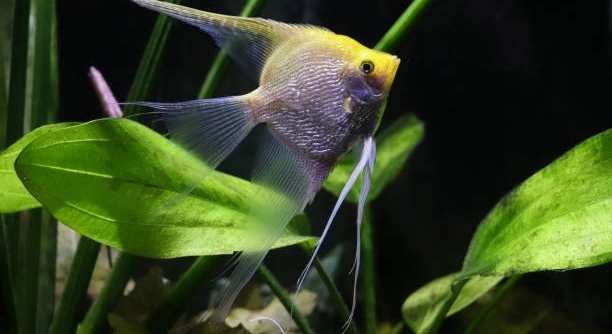
Tank noise can be a common issue for many angelfish owners. The constant sound of water pumps, filters, or air stones can affect both the fish and the overall aquarium experience. Reducing this noise creates a more peaceful environment.
To reduce tank noise for angelfish, consider adjusting equipment placement, selecting quieter filters, and adding soundproofing materials. Regular maintenance, such as cleaning the pump and air stones, can also decrease noise levels. These steps ensure a calmer aquarium.
Implementing these changes will not only reduce tank noise but also improve the overall well-being of your angelfish.
Adjust the Equipment Placement
One of the simplest ways to reduce noise is to carefully arrange your aquarium equipment. Placing filters and air stones too close to the tank’s walls or surface can amplify sound. By positioning them further away from these areas, you can significantly reduce vibrations. Keep equipment away from the tank’s edges to prevent the noise from echoing through the aquarium. Consider using rubber mats under the equipment to absorb sound and vibrations. Ensuring that all components are correctly aligned and not in contact with the tank’s glass or decorations will help create a quieter environment.
Proper placement of the equipment also ensures a smoother flow of water, which benefits your fish. This simple adjustment helps to create a peaceful habitat for your angelfish.
In addition to minimizing noise, equipment positioning can help maintain water quality and circulation. Be sure to check the flow and adjust the angle of water pumps to optimize efficiency. These small tweaks can make a noticeable difference.
Choose Quieter Filters
Not all filters are the same when it comes to noise levels. Some models are quieter than others, making them an ideal choice for reducing tank noise. Invest in a filter specifically designed for silent operation.
A quieter filter works well without compromising water quality. Many modern filters come with noise-reducing features such as vibration dampening technology. Additionally, an external filter, placed outside the tank, minimizes noise by keeping mechanical sounds away from the aquarium itself. When choosing a new filter, consider factors like the size of your tank and your angelfish’s needs. It’s essential to choose one that matches both water flow requirements and noise reduction.
Upgrading to a quieter filter doesn’t have to break the bank. In fact, there are many affordable options that will keep your tank silent while providing excellent filtration. Make sure to check customer reviews for noise ratings and installation tips to get the best fit for your setup.
Use Soundproofing Materials
Soundproofing your aquarium is an effective way to reduce noise. You can line the tank’s cabinet with foam or rubber padding to absorb sound vibrations. These materials are inexpensive and easy to apply. A quiet tank can make a huge difference in maintaining a peaceful environment.
Foam and rubber pads are easy to install and can reduce the noise from pumps, filters, and air stones. Simply cut the materials to fit the tank’s cabinet or any surrounding area where noise is most noticeable. In addition to minimizing noise, soundproofing helps extend the life of your equipment by reducing wear and tear from vibrations.
Be sure to check the materials regularly for any signs of wear, especially in high-moisture areas. Soundproofing can also prevent the tank from becoming overly noisy due to vibrations transmitted through hard surfaces. A quieter setup makes for a more enjoyable and calm aquarium experience.
Perform Regular Maintenance
Keeping your equipment well-maintained can significantly reduce tank noise. Dirty or clogged filters can cause the pump to work harder, leading to increased noise levels. Regularly cleaning your filters, pumps, and air stones will keep them running smoothly and quietly.
Maintaining your equipment doesn’t just reduce noise; it also improves the overall performance of your tank. Clogged air stones and filters restrict water flow, which leads to more noise. By cleaning these parts every few weeks, you will ensure the aquarium remains quieter. Routine checks and cleaning can prevent larger issues that might contribute to unwanted sounds.
Additionally, replace worn-out components, such as impellers in filters, to keep noise levels at a minimum. A well-maintained tank provides not only a quieter environment but a healthier one for your angelfish. This helps to ensure they remain stress-free and thrive in a calm habitat.
Add a Surface Skimmer
Surface skimmers help reduce noise by clearing debris from the water’s surface, which in turn allows filters and pumps to run more efficiently. They prevent clogging, reduce pump strain, and improve water quality, leading to a quieter tank overall.
A surface skimmer removes organic matter, such as uneaten food, leaves, and fish waste, which can otherwise cause noise by obstructing water flow. Installing one can significantly decrease the sound caused by water pumps and filters. It’s a simple solution to improve the tank’s noise level while enhancing water clarity for your angelfish.
Investing in a good-quality surface skimmer can reduce maintenance efforts as well. With less debris in the tank, you’ll spend less time cleaning filters and pumps. This means less noise from your equipment and a cleaner environment for your fish.
Use a Quiet Air Pump
Not all air pumps are equally quiet. Some models are specifically designed to reduce noise, using quieter motors and vibration-resistant components. Choosing a low-noise air pump can make a significant difference in your tank’s overall sound.
Opt for air pumps that are known for being quieter while maintaining strong airflow. Some pumps have special features, like rubber feet or shock-absorbing mounts, to further minimize noise. You can also check reviews to see how other aquarium owners rate their air pumps in terms of sound levels.
Swapping out your noisy air pump for a quieter model may require an initial investment but can drastically improve your aquarium’s soundscape, providing a more peaceful environment for both you and your angelfish.
FAQ
How can I reduce the noise from my aquarium filter?
Reducing the noise from your aquarium filter can be done in several ways. First, check if the filter is correctly positioned. Filters placed too close to the tank’s glass or surface can amplify the sound. Adjusting the angle or moving the filter further away from the edges can reduce vibrations. Also, consider using vibration-damping materials, like rubber pads or foam, under the filter to absorb sound. Regular maintenance, such as cleaning the filter and replacing any worn-out components like the impeller, is crucial in preventing additional noise. If your filter is still loud after these adjustments, it may be time to invest in a quieter model.
What causes noise in an aquarium tank?
The primary sources of noise in an aquarium are the filter, water pump, air pump, and air stones. These components work by circulating and oxygenating the water, but they can create vibrations and sounds, especially if not well-maintained or if they’re improperly placed. Other causes can include water movement from splashing, or a clogged filter or pump. Equipment that is in constant contact with the tank’s glass, edges, or cabinet can transmit sound vibrations, which amplify the noise. It’s essential to troubleshoot each part of your setup to identify and fix the source of the noise.
How do I quiet my aquarium pump?
Aquarium pumps can be noisy due to vibrations or the motor working harder than it should. One of the easiest ways to reduce noise is to place the pump on a vibration-absorbing surface like rubber mats or foam pads. This helps to minimize vibrations transmitted to the tank. Additionally, cleaning the pump regularly to prevent blockages or build-up can help reduce strain on the motor, lowering the noise level. If the pump is still loud, check if it’s positioned correctly and if it’s sized appropriately for your tank. An oversized or undersized pump can lead to unnecessary noise.
Can I use a quieter filter for my aquarium?
Yes, there are many quieter filters available. When selecting a quieter filter, look for features like vibration-dampening technology or low-noise motor designs. External filters, placed outside the tank, tend to be quieter than internal ones because they minimize mechanical noise inside the tank. Another option is canister filters, which are known for their quiet operation. Ensure the filter you choose is compatible with your tank size to maintain proper water flow and filtration without the added noise. Choosing a high-quality, quiet filter will make your tank more peaceful.
Do surface skimmers reduce tank noise?
Surface skimmers can indeed reduce tank noise. They work by removing debris from the water’s surface, which helps maintain smoother water flow. When the water flow is unrestricted, pumps and filters don’t have to work as hard, leading to less noise. By keeping the tank cleaner, you prevent clogging that could cause mechanical strain and increased noise levels. Additionally, surface skimmers can improve overall water quality, benefiting both the appearance of your tank and the health of your fish.
What is the best way to silence an air pump?
To silence an air pump, first ensure that it is placed on a soft, vibration-absorbing surface like rubber or foam. Air pumps can vibrate and transmit sound through hard surfaces like glass or wood, so using shock-absorbing materials can significantly reduce noise. You can also use a quieter air pump model if the current one is too loud. Some pumps have built-in noise-reducing features like noise-canceling motors or specially designed housings that help minimize sound. If the pump’s noise is caused by air stones, replacing them with quieter alternatives can also reduce the overall noise.
Why is my aquarium so noisy at night?
Aquarium noise may seem louder at night because of the surrounding quiet. During the day, ambient noise from your environment can mask the sound from the tank. At night, when everything else is quieter, even the slightest noise from the pump, filter, or air stones can become more noticeable. To reduce noise at night, ensure that your equipment is well-maintained, and try adding soundproofing materials to your tank’s cabinet. Moving equipment further away from the tank’s surface or walls can also help. In some cases, using a quieter filter or pump will make a noticeable difference in reducing nighttime noise.
Can adding a tank cover reduce noise?
Yes, a tank cover can reduce noise, but it depends on the material and fit. A properly fitted tank cover can help dampen the sound by trapping vibrations within the tank. For additional noise reduction, consider adding foam or rubber strips around the edges of the cover to further absorb sound. However, make sure the cover allows proper ventilation for your fish, as airflow is crucial for maintaining oxygen levels in the water. A well-constructed cover can be an effective, low-maintenance solution for reducing tank noise, especially if you’re sensitive to sound.
Is there a way to reduce water pump noise?
To reduce water pump noise, start by positioning the pump properly in the tank. Placing it too close to the glass or walls can amplify the sound. Use a rubber mat or foam pad under the pump to absorb vibrations. Cleaning the pump regularly to remove debris and ensure smooth operation will also help lower the noise. If the pump is still loud, it may be time to replace it with a quieter model designed for low noise output. Opt for pumps with vibration-resistant designs or external models that generate less noise inside the tank.
How do I make my aquarium quieter without replacing equipment?
Making your aquarium quieter doesn’t always require replacing equipment. Simple adjustments like repositioning the filter, pump, or air stones can drastically reduce noise. Make sure these components are placed away from the tank’s edges to prevent vibrations from transmitting through the glass. Adding vibration-absorbing materials, such as foam pads or rubber strips, can also dampen sound. Regular maintenance is key to keeping the equipment running smoothly and quietly. Cleaning filters and pumps prevents them from becoming clogged, which can cause extra noise. These small steps can make a significant impact on the noise level without needing new equipment.
Final Thoughts
Reducing noise in your angelfish tank can enhance both your experience and the well-being of your fish. Tanks are naturally noisy due to the equipment used to maintain water flow, filtration, and oxygenation. However, making small adjustments can have a significant impact on the overall sound. Whether it’s repositioning your filter, upgrading to quieter pumps, or adding vibration-absorbing materials, each step contributes to a more peaceful tank environment. Additionally, keeping the equipment clean and well-maintained ensures smoother operation, which leads to less noise.
While reducing tank noise is important for your comfort, it’s also beneficial for your angelfish. Excessive noise can cause stress for fish, leading to health issues over time. A quieter environment supports their natural behavior and helps them feel more secure. Angelfish, like many fish, are sensitive to their surroundings, and noise can affect their feeding habits, activity levels, and overall happiness. Creating a quieter space for them to thrive is an easy way to ensure they remain healthy and active.
Implementing these strategies doesn’t require drastic changes or expensive equipment. It’s more about thoughtful adjustments, such as using quieter models of air pumps and filters, or adding soft materials to reduce vibrations. These steps can make a noticeable difference, not only in reducing noise but also in improving water quality. A cleaner tank with properly functioning equipment will ultimately provide a better environment for your angelfish, allowing them to flourish in a quieter, more peaceful home.

Hello,
If you enjoy the content that we create, please consider saying a "Thank You!" by leaving a tip.
Every little bit helps us continue crafting quality advice that supports the health, happiness, and well-being of pets around the world, for pets of all shapes, sizes, and species.
We really appreciate the kindness and support that you show us!