
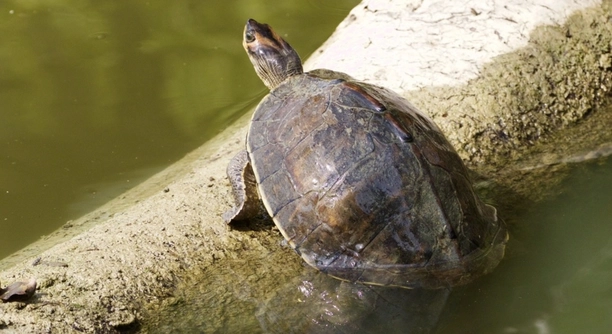
Algae growth in your Indian Roofed Tortoise tank can be a challenging issue to tackle. Excessive algae can harm the tank’s environment, making it less ideal for your pet. Fortunately, there are effective solutions to manage this problem.
To reduce algae growth in an Indian Roofed Tortoise tank, maintain proper water conditions, limit light exposure, use a good filtration system, and introduce algae-eating creatures. Regular cleaning, reducing nutrient levels, and adjusting feeding practices are also essential for algae control.
By implementing these strategies, you can improve your tortoise’s habitat. Continue reading to find out the best methods to ensure a healthy and algae-free tank environment.
Control Lighting to Prevent Algae Growth
Lighting plays a significant role in algae development. Algae thrive in bright, direct light, so controlling the amount of light your tank receives is crucial. A well-placed tank with indirect or filtered light can help prevent excessive algae buildup. Limit the tank’s exposure to sunlight and use low-wattage bulbs for artificial lighting. Additionally, consider investing in timers to regulate lighting duration. This will prevent overexposure that encourages algae growth. A general rule is to keep the tank’s lights on for no more than 10–12 hours a day.
Controlling the light in your tank can significantly reduce algae growth. Reducing light exposure will prevent the algae from growing uncontrollably and allow your tortoise to thrive in a clean environment.
If your tank is near a window, algae can grow quickly. Moving it away from direct sunlight is often the simplest solution. If that’s not possible, try using curtains or blinds to filter the light. Combining this with a timer for artificial lighting can help maintain the balance. This approach will help minimize algae while ensuring that your tortoise still gets enough light for a healthy life.
Clean Your Tank Regularly
Regular cleaning is key to managing algae. Remove excess food, debris, and any algae buildup on the glass, decorations, and substrate. The more frequently you clean, the less algae will have the opportunity to grow and spread.
Wiping down the surfaces of the tank every few days can make a noticeable difference. Scrub off any algae that appears to keep it under control. Consider doing a partial water change once a week to refresh the water. This practice reduces the nutrients that feed algae growth and helps maintain a cleaner tank.
Be sure to clean the tank thoroughly but avoid disturbing your tortoise too much. Use a gentle scrub brush for delicate surfaces and vacuum the substrate to remove any uneaten food. Regular maintenance of the tank prevents algae from becoming a persistent issue, making it easier for your tortoise to live in a healthy and clean environment.
Use a Good Filtration System
A high-quality filtration system helps keep the water clean and reduces the amount of nutrients that promote algae growth. Filters remove excess waste, uneaten food, and organic matter from the water, which are key factors in algae development.
When choosing a filter, select one that is appropriate for the size of your tank. Make sure it provides both mechanical and biological filtration to maintain water clarity and quality. Keep the filter clean by performing regular maintenance to ensure it operates efficiently. A good filtration system can make a big difference in reducing algae buildup.
A clean tank with excellent filtration allows for a healthier environment for your tortoise. The cleaner the water, the less food the algae have to grow. By choosing a filter suited to your tank’s size and needs, you can help keep algae under control and maintain a more stable ecosystem for your pet.
Introduce Algae-Eating Creatures
Introducing algae-eating creatures, such as snails or certain types of fish, can help naturally reduce algae in your tank. These creatures feed on algae and help keep the surfaces clean.
However, be mindful of the species you choose. Snails, like the Malaysian Trumpet Snail, are excellent for eating algae without disturbing your tortoise. Some fish, like algae-eating species of catfish or plecos, are also good choices. These creatures help maintain a cleaner tank by consuming the algae before it spreads.
When introducing algae-eating creatures, ensure they are compatible with your tortoise’s environment and diet. Regularly monitor their population to prevent overgrowth, as too many algae-eaters can introduce new challenges to tank maintenance. These creatures offer a sustainable solution to controlling algae while keeping the tank’s ecosystem balanced.
Limit Feeding
Overfeeding your tortoise can lead to excess nutrients in the water, promoting algae growth. Control how much food you provide to prevent uneaten food from accumulating and fueling algae.
By feeding only the appropriate amount for your tortoise’s size and age, you minimize the nutrients available to algae. This helps keep the tank cleaner and healthier.
Be mindful of how much food is left after feeding. Remove any uneaten food after a short period to prevent it from decomposing in the water. This simple step can greatly reduce algae problems.
Use Plants to Compete with Algae
Live plants are not only beneficial to your tortoise but also help compete with algae for nutrients. When properly maintained, plants absorb excess nutrients that algae need to grow, limiting their spread.
By adding aquatic plants like Anubias or Java Fern, you provide your tortoise with both a food source and a natural way to control algae. Keep the plants healthy by regularly trimming them and ensuring they get proper light. Healthy plants outcompete algae, reducing the chances of an overgrowth.
Adding plants also creates a more natural and enriching environment for your tortoise. They improve water quality and provide additional hiding spots, benefiting your tortoise’s overall well-being.
Reduce Tank Temperature
High water temperatures can encourage algae growth. Keeping the tank at a lower, stable temperature helps limit algae proliferation.
Maintain the tank water at a temperature suitable for your tortoise, typically between 75-85°F (24-29°C). This will discourage the warm conditions algae need to thrive while still being comfortable for your pet.
Be mindful of fluctuating temperatures that could stress your tortoise. Use a reliable thermometer and consider investing in a tank heater with an adjustable temperature setting. Keeping the water cool enough is an easy way to control algae growth.
FAQ
What causes algae growth in a tortoise tank?
Algae growth in a tortoise tank is mainly caused by excess nutrients like uneaten food, waste, and light exposure. When there’s a surplus of nutrients, algae thrive and begin to grow. Poor filtration and inconsistent tank cleaning also contribute to algae issues. A well-maintained tank can limit algae growth by reducing the factors that encourage it.
How can I reduce algae without harming my tortoise?
To reduce algae growth without harming your tortoise, focus on proper tank maintenance. Control lighting, use a good filtration system, and limit the amount of food you give your tortoise. Introduce algae-eating creatures like snails and certain fish, which help keep algae under control. Regular cleaning and water changes also help prevent excess nutrients from feeding algae.
Can algae harm my tortoise?
Algae in moderation doesn’t typically harm your tortoise. However, excessive algae growth can negatively impact water quality by reducing oxygen levels, leading to a poor environment. Some types of algae may even produce toxins that could harm your tortoise if left unchecked. It’s important to control algae to ensure the water remains healthy.
Are there specific types of algae that are more harmful than others?
Yes, certain types of algae, such as blue-green algae, can be harmful to your tortoise. These algae can release toxins into the water that can cause health issues for your pet. Keeping the tank clean and monitoring algae growth will help prevent any harmful types from taking over the environment.
How often should I clean my tortoise’s tank?
You should clean your tortoise’s tank regularly to prevent algae growth. A partial water change once a week is recommended, and spot cleaning should be done every few days to remove waste and debris. Deep cleaning, including scrubbing surfaces and vacuuming the substrate, should be done monthly. Regular cleaning ensures the tank stays healthy and algae-free.
What plants are good for controlling algae in a tortoise tank?
Aquatic plants like Anubias, Java Fern, and Water Sprite are excellent for controlling algae. These plants absorb nutrients from the water that algae need to grow, helping to keep their spread in check. Make sure to keep the plants healthy by trimming them regularly and ensuring they get enough light.
Is it safe to use algae-eating fish or snails in a tortoise tank?
Yes, algae-eating fish like plecos or snails like Malaysian Trumpet Snails can help control algae in a tortoise tank. However, it’s essential to ensure the species you introduce are compatible with your tortoise. Some fish may not be safe, and it’s important to check that they won’t harm or compete with your tortoise for food. Always monitor their population to prevent overpopulation, which can lead to other issues.
Can I use chemicals to control algae in my tortoise tank?
It’s generally better to avoid using chemicals to control algae, as they can be harmful to your tortoise and other tank inhabitants. Natural methods like adjusting lighting, using proper filtration, and introducing algae-eating creatures are safer and more effective. If you must use a chemical treatment, ensure it is specifically labeled as safe for reptiles and follow the instructions carefully.
How do I know if my tortoise’s tank is getting too much light?
If you notice algae growing rapidly on the surfaces of the tank, this could be a sign that the tank is getting too much light. You might also notice the water becoming murky or the tank’s decorations getting covered in algae. Limiting the light exposure to 10-12 hours per day and ensuring the tank isn’t in direct sunlight can help prevent excessive light and algae growth.
Can algae affect the water’s oxygen levels?
Yes, excessive algae growth can reduce oxygen levels in the water. As algae grow, they consume oxygen, which can lead to hypoxia (low oxygen levels). This can negatively affect your tortoise’s health. Maintaining proper filtration, regular water changes, and controlling algae growth will help keep oxygen levels stable.
What is the best filtration system for a tortoise tank?
A good filtration system for a tortoise tank should provide both mechanical and biological filtration. The filter should be able to handle the tank’s water volume and should be cleaned regularly to avoid clogging. Canister filters are often a good choice as they provide thorough filtration and are easy to maintain. Make sure the filter is strong enough to handle the waste produced by both the tortoise and any additional tank inhabitants.
How does temperature affect algae growth in a tortoise tank?
Warmer water temperatures can encourage algae growth, as heat promotes their growth and reproduction. Keeping your tank water at a stable, cooler temperature (around 75-85°F or 24-29°C) helps prevent excessive algae growth while maintaining a comfortable environment for your tortoise. Regularly monitor the water temperature to ensure it’s within the ideal range for both your tortoise and algae control.
What are the signs that my tortoise tank has too much algae?
Signs of too much algae in a tortoise tank include green, murky water, algae growth on decorations, and a buildup of algae on the tank’s walls. A strong, unpleasant smell and reduced water clarity also indicate excessive algae. If you notice these signs, it’s time to address the algae problem through cleaning, reducing nutrients, or adjusting lighting.
Are algae-eating fish and snails enough to control algae on their own?
While algae-eating fish and snails can help control algae, they may not completely eliminate the problem. They are more effective when combined with other strategies like controlling light exposure, regular cleaning, and proper filtration. It’s important to have a balanced approach to algae control to keep the tank clean and healthy for your tortoise.
Can I use a UV sterilizer to control algae?
Yes, a UV sterilizer can help control algae in a tortoise tank. These devices kill free-floating algae particles in the water, helping to clear up murky water caused by algae blooms. However, UV sterilizers should be used in conjunction with other methods like filtration and regular cleaning for the best results.
Final Thoughts
Reducing algae growth in your tortoise tank requires a combination of methods that work together to create a clean and healthy environment. Proper tank maintenance is key, including regular water changes, cleaning surfaces, and ensuring proper filtration. Algae thrive when there is an excess of nutrients, so controlling feeding, removing waste, and balancing lighting will help limit algae growth. Additionally, adding algae-eating creatures like snails or certain types of fish can help keep the tank cleaner.
It’s important to remember that some algae growth is normal, and completely eliminating it may not be necessary. The focus should be on controlling the amount of algae and preventing it from becoming a problem. Monitoring water quality and keeping the tank environment stable will make a significant difference. Always be mindful of the health of your tortoise, as a well-maintained tank benefits both the animal and the overall environment. Regular checks will ensure that algae don’t impact the water’s quality or the tortoise’s health.
In summary, maintaining a clean tortoise tank requires attention to water quality, feeding habits, and lighting. By incorporating simple strategies like regular cleaning, controlling lighting, and introducing algae-eating species, you can manage algae growth effectively. The goal is to create a balanced environment where your tortoise can thrive without being overwhelmed by algae buildup.

Hello,
If you enjoy the content that we create, please consider saying a "Thank You!" by leaving a tip.
Every little bit helps us continue crafting quality advice that supports the health, happiness, and well-being of pets around the world, for pets of all shapes, sizes, and species.
We really appreciate the kindness and support that you show us!