
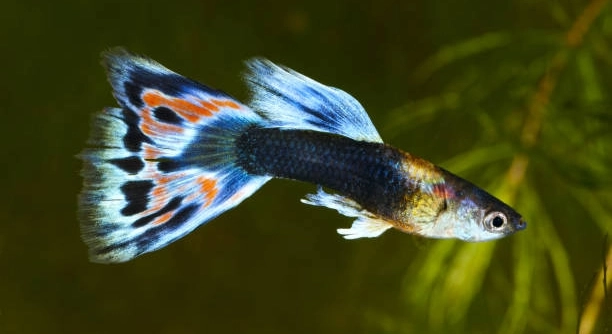
Goldfish can sometimes become aggressive toward each other in a tank. This behavior can disrupt their peaceful environment and cause stress. Finding the right solutions is important for maintaining a healthy and harmonious aquarium.
To reduce aggression in a goldfish tank, creating an environment that minimizes stress and competition is essential. This can be achieved by ensuring ample space, proper tank decoration, and introducing compatible tank mates. Regular maintenance also plays a key role.
By understanding these methods, you can create a peaceful tank where your goldfish thrive without the stress of aggression.
Provide Enough Space for Your Goldfish
Goldfish are known to be active swimmers and need enough space to roam freely. A cramped tank can make them feel territorial, leading to aggression. When choosing a tank size, consider the number of fish and their size. A general rule is at least 20 gallons for the first goldfish and an additional 10 gallons for each additional fish. Overcrowding can stress the fish, causing them to become more aggressive.
Goldfish can display territorial behavior if they feel crowded. Ensuring they have plenty of room can help reduce this aggression.
When setting up the tank, make sure there’s enough space for each goldfish to establish its own area. Providing ample space allows them to swim freely and interact more peacefully. Keeping the water clean and maintaining proper filtration will also help.
Add Hiding Spots and Decorations
Goldfish, like other fish, need places to retreat when they feel threatened. Adding decorations like plants, rocks, or tunnels gives them hiding spots and breaks up the tank into different zones. These spots reduce the likelihood of fish bumping into each other or feeling harassed. Ensure the decorations don’t take up too much space, as goldfish still need room to swim.
Adding items such as rocks or plants helps reduce aggression by giving fish personal space. This gives them a place to retreat and feel safe.
You can arrange these decorations to create hiding spaces throughout the tank, which encourages goldfish to spread out. By having multiple zones, they’re less likely to interact in stressful ways. The key is balance—ensure decorations don’t overcrowd the tank, leaving enough swimming space.
Keep Water Quality High
Poor water quality is a major factor in goldfish aggression. When the water is dirty or improperly filtered, it can stress the fish, making them more likely to fight. Regular water changes, proper filtration, and testing water parameters like ammonia and pH are essential for creating a peaceful environment.
A high-quality filtration system is crucial for maintaining clean water. Goldfish produce a lot of waste, so the filter should be strong enough to handle the load. Regular water changes, at least 25-30% per week, are essential to maintain the tank’s water quality and reduce aggression caused by poor conditions.
Monitoring water quality is key to keeping goldfish calm. Poor conditions can trigger stress and territorial behavior. If you notice aggression, check for ammonia spikes or other imbalances. Installing an additional filter or aeration system may help if you have a lot of fish. Maintaining good water quality reduces the likelihood of behavioral problems.
Choose Compatible Tank Mates
Not all fish get along with goldfish. Aggressive species can provoke stress, leading to fighting. When selecting tank mates, choose species that are peaceful and have similar water temperature and pH needs. Avoid overly aggressive or fast-moving fish.
Choosing the right tank mates is crucial for preventing aggression. Some fish are too territorial and may start fights with goldfish. Fish like bettas or cichlids can be particularly aggressive, while species like minnows or snails are typically more peaceful. It’s important to choose fish that won’t compete for resources or space.
Compatibility can also depend on the goldfish’s temperament. Some goldfish are naturally more aggressive, while others are more passive. It’s important to observe how they interact with new tank mates. If aggression persists, consider moving certain fish into separate tanks. Keeping a peaceful group of goldfish with compatible species ensures a calm environment.
Avoid Overfeeding
Overfeeding is a common cause of aggression in goldfish. When goldfish are fed too much, it leads to competition for food, which can result in fights. Stick to the recommended feeding amounts and avoid leaving uneaten food in the tank.
Feeding your goldfish the right amount of food keeps them healthy and reduces territorial behavior. Offering smaller, more frequent meals rather than large amounts can help prevent overfeeding. A good rule is to feed your fish only what they can consume within a few minutes.
Keep the Lighting Consistent
Goldfish thrive with consistent lighting. Changes in light can stress them out and lead to aggression. Make sure the tank is in a place with stable light and use a timer to maintain a regular day-night cycle.
A consistent light schedule mimics natural conditions and helps regulate your goldfish’s behavior. Avoid placing the tank in areas with fluctuating light, like near windows. Too much light or sudden changes can disturb their resting periods, leading to stress and aggression.
FAQ
Why is my goldfish being aggressive?
Goldfish aggression can result from various factors like poor water quality, overcrowding, lack of space, or incompatible tank mates. Stress from these issues can make goldfish territorial or competitive. Ensuring proper tank conditions, adequate space, and compatible tank mates is crucial to reducing aggression.
How much space does a goldfish need?
Goldfish require a minimum of 20 gallons for one fish and 10 more gallons for each additional fish. Overcrowding stresses the fish, making them more likely to fight. A larger tank gives them room to swim and reduces territorial behavior. Make sure to provide ample space for each fish.
Can goldfish live with other fish?
Yes, but only with compatible species. Goldfish are peaceful by nature, but they can be aggressive if placed with fast swimmers or territorial species. Avoid pairing them with aggressive fish like cichlids or bettas. Smaller, slower fish like minnows can often be more suitable companions.
What’s the best way to reduce aggression in my goldfish?
Provide enough space, ensure good water quality, and choose compatible tank mates. Avoid overfeeding and maintain a regular light cycle. Creating a peaceful environment with proper decorations and hiding spots helps reduce aggression. Regular water changes and filtration are key to preventing stress.
Can I add plants to the tank to reduce aggression?
Yes, adding live plants can provide hiding spots and reduce stress. Plants break up the tank’s space and allow goldfish to establish territories. They also help improve water quality by absorbing nitrates. However, avoid overplanting, as the fish still need enough room to swim comfortably.
Is overfeeding causing aggression in my goldfish?
Yes, overfeeding can lead to competition for food, causing fights between goldfish. Feed only as much as your fish can consume in a few minutes. Overfeeding also leads to water pollution, which can cause stress and contribute to aggressive behavior. Stick to a consistent feeding schedule.
How do I know if my goldfish is stressed?
Stressed goldfish may exhibit signs like rapid gill movement, erratic swimming, hiding more often, or being less active than usual. Aggression can also be a sign of stress. If you notice any of these behaviors, check the water quality, space, and tank mates to identify the cause.
What water temperature is best for goldfish?
Goldfish thrive in cooler water, typically between 65-72°F (18-22°C). Water that’s too warm can stress goldfish and make them more prone to aggression. Avoid placing the tank in direct sunlight or near heat sources, as temperature fluctuations can affect their health and behavior.
Can goldfish get along with other goldfish?
Yes, goldfish generally get along with each other, but aggression can still occur if they feel crowded or stressed. To prevent fights, provide ample space and avoid overcrowding. Ensure that all goldfish are similar in size to reduce aggression, as smaller fish may be picked on by larger ones.
How do I prevent goldfish from being territorial?
To prevent territorial behavior, provide plenty of space and hiding spots in the tank. Avoid overcrowding and keep water conditions stable. Decorating the tank with plants, rocks, and other structures will give your fish a sense of ownership without forcing them to compete for space.
Can the tank’s water quality affect my goldfish’s behavior?
Yes, poor water quality can cause stress, which often leads to aggression. Goldfish are sensitive to changes in their environment. High ammonia, nitrite, or nitrate levels, as well as fluctuating pH levels, can create an unhealthy tank. Regular water changes and proper filtration are essential for keeping your goldfish calm.
Why are my goldfish fighting?
Goldfish fight for a variety of reasons, including territorial disputes, competition for food, and overcrowding. Stress from poor water quality or incompatible tank mates can also trigger aggressive behavior. Ensuring enough space, hiding spots, and a balanced diet can help prevent fights.
Can I add goldfish to a tank with other types of fish?
Goldfish can live with certain species, but not all types of fish are suitable companions. Choose calm and non-aggressive fish that share similar environmental needs. Avoid pairing goldfish with aggressive or fast-swimming species that might stress them out or compete for food.
How often should I clean the goldfish tank to avoid aggression?
Goldfish tanks should be cleaned regularly, at least once every two weeks, to maintain water quality. Doing partial water changes of 25-30% each week helps to prevent the buildup of harmful toxins. A clean tank reduces stress, which can help minimize aggressive behavior.
Do goldfish become more aggressive as they grow?
Goldfish can become more territorial as they mature, especially if they’re housed in cramped or overcrowded tanks. Larger goldfish may assert dominance over smaller ones, leading to aggression. Providing plenty of space and monitoring tank conditions can help prevent such behavior.
Final Thoughts
Aggression in goldfish can be a frustrating issue, but it is often a result of avoidable factors. The most important step is to ensure the tank environment is stable and stress-free. Goldfish need adequate space to swim, as well as clean water to thrive. Poor water quality, overcrowding, and inappropriate tank mates are all common causes of aggression. By regularly checking and maintaining water conditions, providing enough room for each fish, and choosing peaceful companions, you can significantly reduce the likelihood of aggression in your goldfish tank.
Another essential consideration is the feeding habits. Overfeeding or underfeeding your goldfish can lead to unhealthy competition for food. This behavior can quickly escalate into aggression. By offering small, frequent meals and avoiding excess food, you can prevent territorial disputes during feeding times. Alongside proper feeding, it’s crucial to monitor the behavior of your goldfish regularly. If aggression persists, check the tank setup, as there may be underlying stressors such as overcrowding or incompatible species.
Goldfish are generally peaceful creatures, but they need the right conditions to show their best behavior. Providing a suitable habitat that includes enough space, clean water, compatible tank mates, and a proper feeding routine is key to reducing aggression. By staying vigilant and addressing potential stress factors early on, you can ensure that your goldfish live in harmony. Taking the time to care for their needs will lead to a healthier, more peaceful tank for both you and your fish.

Hello,
If you enjoy the content that we create, please consider saying a "Thank You!" by leaving a tip.
Every little bit helps us continue crafting quality advice that supports the health, happiness, and well-being of pets around the world, for pets of all shapes, sizes, and species.
We really appreciate the kindness and support that you show us!