
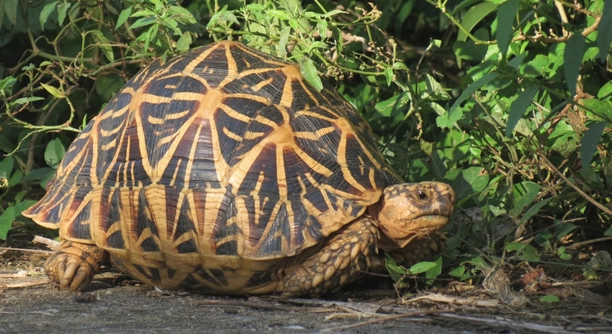
Turtles need both mental and physical stimulation to thrive. Providing enrichment activities is essential for their well-being. These activities help keep them active, happy, and engaged in their environment, promoting overall health and longevity.
The best ways to provide enrichment for turtles include offering different types of activities such as puzzle feeders, stimulating toys, and environmental changes like new habitats. These methods keep turtles mentally stimulated and physically active, improving their overall quality of life.
Incorporating these enrichment ideas into your turtle’s routine can make a noticeable difference in their behavior and health.
Offering Puzzle Feeders for Mental Stimulation
Puzzle feeders are an excellent way to provide mental enrichment for your turtle. They require the turtle to solve a problem in order to access its food. This kind of challenge mimics the natural foraging behavior that turtles engage in the wild. It encourages them to think, explore, and move around in search of food. These activities can help prevent boredom and keep your turtle active. When selecting a puzzle feeder, make sure it is the right size for your turtle and appropriate for its species.
Turtles will often get excited by these challenges, and the sense of accomplishment they feel when they access food promotes mental health. Not all turtles will react the same way, so it’s important to observe their behavior and adjust the difficulty of the puzzle as needed.
By using puzzle feeders, you can create a more engaging and stimulating environment for your turtle. This encourages natural behaviors and helps ensure they stay physically active as well as mentally sharp. Regular use of these types of feeders can improve overall well-being and enrich your turtle’s daily life.
Changing the Habitat Layout
Changing the layout of your turtle’s habitat offers them the chance to explore new surroundings. It adds variety to their environment and allows them to practice problem-solving skills.
Providing Hiding Spots
Turtles need hiding spots for both mental and physical comfort. A secluded area in their enclosure mimics the security they would seek in the wild. It gives them a space to retreat when they feel stressed or just need some quiet time away from the world. Providing hiding spots can reduce anxiety and help your turtle feel safe.
You can use caves, tunnels, or plants to create hiding spots. Make sure the hiding spot is large enough for your turtle to fit comfortably. The goal is to offer a safe retreat where your turtle can go when it needs rest or privacy. Not all turtles will use hiding spots in the same way, so observe their behavior and make adjustments if needed.
Adding a variety of hiding spots throughout the habitat encourages your turtle to explore. This simple enrichment activity provides mental stimulation and security. Over time, your turtle will start to view the space as its own personal sanctuary.
Using Water Features
Adding water features, such as a small fountain or waterfall, offers both physical and mental enrichment. The sound and movement of the water can grab your turtle’s attention, encouraging curiosity and activity. Turtles enjoy swimming and exploring different textures, so incorporating water features will help keep them engaged.
The added water flow also benefits the overall habitat, helping maintain clean water and a healthy environment. If you have aquatic turtles, these features also allow for natural swimming behavior. They can spend time exploring the moving water, climbing rocks, and investigating new spots within the enclosure.
Using water features like waterfalls can also help create a more dynamic environment. It promotes physical activity, mental stimulation, and enjoyment. When setting up a water feature, ensure it’s appropriate for your turtle’s size and species, and always maintain the water quality.
Offering Different Substrates
Turtles benefit from a variety of substrates in their habitat. Changing the substrate mimics the natural ground conditions they would encounter in the wild. It can encourage exploration, digging, and natural behaviors. Substrates like sand, soil, or pebbles offer texture changes that promote activity.
By offering multiple substrate types, you can engage your turtle’s senses and provide different experiences. Make sure the substrates are safe and suitable for your turtle’s species. This simple change in the habitat will help keep your turtle mentally stimulated and active.
Providing UVB Lighting
UVB lighting is essential for turtles to stay healthy. It helps them synthesize vitamin D3, which is crucial for calcium absorption and shell growth. Proper UVB lighting allows your turtle to maintain its physical health, avoiding issues like shell deformities.
Without adequate UVB exposure, turtles can develop health problems, so be sure to provide the right kind of lighting in their habitat. There are special UVB bulbs designed specifically for reptiles. Ensure the lighting is placed at the correct distance from the turtle and provide proper light and dark cycles to mimic natural conditions.
Rotating Enrichment Toys
Rotating enrichment toys are another effective way to keep your turtle engaged. These toys provide novelty by offering new objects for your turtle to investigate and interact with regularly. It stimulates their curiosity and encourages them to explore.
Simply rotating toys in and out of the enclosure every few days is enough to provide new challenges. You can use floating toys, climbing structures, or objects that can be moved around. This keeps your turtle’s environment dynamic and exciting.
FAQ
How often should I change my turtle’s habitat layout?
Changing your turtle’s habitat layout every 2 to 4 weeks is ideal. This prevents boredom and encourages exploration. Turtles naturally thrive on variety, and rearranging their space provides a fresh environment to stimulate their senses. However, you can change the layout more or less often depending on how your turtle reacts. If your turtle shows signs of stress, like hiding more than usual, it’s a good idea to stick with fewer changes. On the other hand, if your turtle seems curious and energetic, feel free to mix things up more frequently.
Can I use real plants in my turtle’s enclosure?
Yes, real plants can be a great addition to your turtle’s enclosure. Plants offer hiding spots and a more natural environment. They can also help with water quality, as some plants absorb excess nutrients. However, be cautious with the types of plants you use. Some plants may be toxic to turtles. Choose safe options like anacharis or water lettuce, and avoid harmful varieties like ivy or azalea. Also, make sure the plants don’t pose a risk of being ingested or causing digestive issues.
What are the best types of toys for turtles?
The best toys for turtles are ones that encourage interaction and physical activity. Floating toys, small ramps, and climbing structures are great for aquatic turtles. For land turtles, you can use toys that promote digging, like small sandboxes. Avoid toys that are too small or have sharp edges, as they could pose a choking hazard or cause injury. The goal is to provide a variety of objects that stimulate curiosity and movement. It’s also a good idea to rotate toys every few days to keep your turtle engaged.
How can I ensure my turtle is getting enough UVB light?
To ensure your turtle is getting enough UVB light, provide a UVB light source specifically designed for reptiles. Place the light 10 to 12 inches above the basking area to allow proper exposure. Make sure the light is on for 10 to 12 hours a day, mimicking natural sunlight patterns. Replace UVB bulbs every 6 months, as their effectiveness decreases over time. Also, make sure your turtle has access to both light and shade areas in the habitat, so it can regulate its exposure to UVB light.
Should I offer live food to my turtle?
Offering live food can be a great enrichment for your turtle, as it provides natural hunting behavior. Small live insects like crickets or worms can stimulate your turtle’s predatory instincts. However, live food should be given in moderation and not replace a balanced diet. Make sure the food is appropriately sized and safe for your turtle to eat. If you’re offering live food, supervise the feeding process to ensure your turtle eats it properly and doesn’t get stressed by the prey’s movement.
Can turtles live together in the same habitat?
Turtles can live together in the same habitat, but only if they are of similar size and species. Some turtles are more territorial and aggressive, so keeping incompatible species or sizes together can result in stress or even injury. If you want to house multiple turtles together, monitor their behavior closely to ensure they get along. Providing enough hiding spots and basking areas will reduce the chance of conflicts. Avoid overcrowding the enclosure, as this can lead to competition for resources and a more stressful environment.
How do I keep my turtle’s water clean?
Keeping your turtle’s water clean requires regular maintenance and the right filtration system. A powerful filter is essential for removing waste and keeping the water clear. Change 20% to 30% of the water every 1 to 2 weeks, depending on how much your turtle uses the space. Additionally, remove any uneaten food daily to prevent it from decomposing in the water. Keep the water temperature within the optimal range for your turtle’s species, and check the water quality frequently for proper pH levels and ammonia content.
Can I give my turtle fruits and vegetables?
Yes, fruits and vegetables can be part of your turtle’s diet. Offer a variety of leafy greens, like collard greens, dandelion leaves, and kale, as well as fruits such as strawberries, apples, and melons. However, not all fruits and vegetables are suitable for turtles. Avoid giving them too much high-sugar fruit or too many high-oxalate greens, as these can cause health issues. Always wash the food thoroughly and cut it into bite-sized pieces. Offering a balanced diet that includes both animal-based and plant-based foods is essential for your turtle’s health.
How can I tell if my turtle is stressed?
Signs of stress in turtles include excessive hiding, loss of appetite, or erratic behavior like swimming aimlessly. If your turtle appears lethargic, has cloudy eyes, or is scratching its shell excessively, these could be signs of stress. Stress can be caused by a variety of factors, such as changes in the environment, poor water quality, or being housed with incompatible tank mates. To reduce stress, make sure your turtle’s habitat is stable, comfortable, and free of aggressive companions. If stress persists, consider consulting a veterinarian for advice.
What kind of substrate should I use for my turtle’s habitat?
The best substrate for your turtle depends on its species and habitat needs. Aquatic turtles typically do well with smooth pebbles or river rocks, which provide a solid surface for swimming and basking. Land turtles often benefit from a mixture of soil, sand, and coconut coir, which allows for digging and burrowing. Avoid using substrates that are too fine or small, as these can be ingested and cause digestive problems. Be sure to choose a substrate that’s easy to clean and doesn’t pose any health risks to your turtle.
Final Thoughts
Providing enrichment for your turtle is essential for its well-being. By offering various opportunities for physical activity, mental stimulation, and environmental changes, you can help ensure your turtle stays happy and healthy. Whether it’s rearranging the habitat layout, adding new objects, or introducing safe, natural elements like plants, the key is to keep things interesting and engaging. A turtle’s natural curiosity and instincts can be nurtured with the right enrichment, leading to a more active and content pet.
Consistency is important, but so is observing your turtle’s behavior. Not all turtles respond the same way to changes or new additions. Some might immediately enjoy a new climbing structure, while others might take time to explore. Paying attention to how your turtle interacts with its environment will guide you in making adjustments that suit its preferences. Over time, you’ll discover what activities or changes your turtle enjoys the most, creating a space where it can thrive both mentally and physically.
Remember, each turtle species has its own needs and preferences. Always consider the specific requirements of your turtle when designing its habitat and selecting enrichment activities. Whether you’re keeping an aquatic turtle or a land turtle, providing a balanced environment that mimics its natural habitat is vital. With patience, observation, and a little creativity, you can give your turtle the best possible care, ensuring its happiness and well-being for years to come.

Hello,
If you enjoy the content that we create, please consider saying a "Thank You!" by leaving a tip.
Every little bit helps us continue crafting quality advice that supports the health, happiness, and well-being of pets around the world, for pets of all shapes, sizes, and species.
We really appreciate the kindness and support that you show us!