
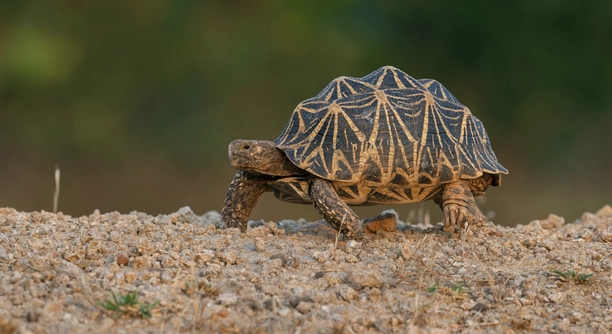
Turtles are wonderful pets, but keeping them healthy requires careful attention. Preventing illness is key to ensuring their long-term happiness and well-being. Learning how to care for your turtle is essential to avoid unnecessary health issues.
To prevent your turtle from getting sick, maintain a clean and proper habitat, feed them a balanced diet, and provide regular veterinary care. Also, keep the water temperature within the recommended range and ensure proper lighting.
By following these guidelines, you can help your turtle stay healthy and avoid common illnesses. This will ensure your pet thrives in a safe and comfortable environment.
Create the Right Habitat
A well-maintained habitat is essential for keeping your turtle healthy. The tank should be large enough to allow them space to swim and bask. Turtles require clean water, so regular filtration and water changes are necessary. It’s important to remove waste and debris as soon as you notice them, to prevent the water from becoming harmful to your turtle’s health. The tank should also be equipped with a proper UVB light to mimic natural sunlight. This helps your turtle produce vitamin D3, which is essential for calcium absorption and bone health.
Proper heating is also important. Ensure that the water temperature remains within the correct range for your turtle species. Most turtles need water between 75°F and 80°F, with a basking area around 85°F to 90°F. This allows them to regulate their body temperature and stay active. A water heater and thermometer will help you maintain these temperatures accurately. A well-kept habitat reduces stress and helps prevent sickness.
Maintaining a clean, properly heated, and well-lit environment is vital for your turtle’s health. Providing these essentials ensures your turtle thrives and avoids common health issues.
Balanced Diet and Proper Feeding
Turtles need a varied diet to stay healthy. Their diet should consist of high-quality commercial turtle food, supplemented with fresh vegetables, fruits, and protein. You can feed them leafy greens such as collard greens and romaine lettuce, as well as small amounts of fruit like strawberries or apples. Offering protein sources, like crickets or worms, also supports their growth and energy levels.
Feeding schedules are important. Juvenile turtles may need to eat more frequently, while adults may only need to be fed every other day. Overfeeding is a common mistake, as it can lead to obesity and other health problems. Offer food in moderation, and remove any uneaten food promptly to avoid water contamination.
A well-balanced diet ensures your turtle gets the necessary nutrients for growth, energy, and immune function. Regular feeding of fresh, nutritious foods helps prevent vitamin deficiencies, obesity, and other diet-related illnesses.
Regular Vet Check-ups
Veterinary check-ups are crucial for catching health problems early. Regular visits help monitor your turtle’s overall health, detect infections, and ensure their shell is growing properly. A vet familiar with reptiles can offer the best advice tailored to your turtle’s species.
At the vet, your turtle will receive a thorough examination, including a check for parasites, skin conditions, and any signs of illness. The vet will also check the condition of your turtle’s shell and make sure they aren’t suffering from any shell rot or cracks. Early detection is key to preventing serious health issues.
Turtles are often masters at hiding illnesses, so it’s important to maintain regular vet visits. These check-ups help ensure any underlying conditions are caught before they become more severe, increasing the chances of successful treatment. Keep a record of your turtle’s medical history for reference during visits.
Clean Water
Clean water is essential for your turtle’s health. It helps prevent infections and keeps their habitat free from harmful bacteria. A good filtration system can maintain the water’s quality, but it’s still important to change it regularly.
Water should be filtered and kept free of waste. Ideally, change the water in your turtle’s tank every week, and scrub the tank’s surfaces and decorations to prevent algae buildup. The quality of the water directly affects your turtle’s skin and shell health, so ensure there’s no excess waste. Keeping your turtle’s environment clean will reduce the risk of infection and stress.
Make sure the water temperature is also within the proper range. If the water is too cold, it can lower your turtle’s immune system, making them more susceptible to illness. Proper maintenance of the water, including consistent water changes and filtration, ensures a healthy environment for your turtle to thrive in.
Proper Lighting
Turtles need access to UVB lighting to stay healthy. This helps them produce vitamin D3, which is essential for calcium absorption. Without proper lighting, your turtle could develop metabolic bone disease.
Place the UVB light over the basking area where your turtle spends time. It should be on for 10-12 hours a day to mimic natural sunlight. Regularly replace the bulb as UVB output decreases over time, even if the light still seems bright.
Temperature Control
Maintaining the right temperature in your turtle’s habitat is essential. The water should be warm enough for your turtle to thrive, and the basking area should be warmer to help them regulate their body temperature.
Water temperatures should range between 75°F to 80°F. The basking spot should be around 85°F to 90°F. Keeping a thermometer in both areas will help you track and adjust the temperatures easily. Proper temperature control helps your turtle stay active, digest food properly, and avoid stress.
Avoid Overcrowding
Too many turtles in one tank can cause stress and health problems. Overcrowding can lead to territorial disputes, aggressive behavior, and an increased risk of spreading diseases.
Always ensure there’s enough space for each turtle to bask and swim without feeling crowded. Providing ample space reduces stress and helps maintain a healthier environment for all the turtles. Overcrowding can lead to injury and weakened immune systems, which makes them more vulnerable to illness.
FAQ
How can I tell if my turtle is sick?
If your turtle is sick, you may notice a decrease in activity or appetite. They may also appear lethargic, have trouble swimming, or show signs of shell discoloration or softening. Pay close attention to changes in their behavior, as turtles are known to hide symptoms of illness. If your turtle stops basking or staying submerged, this could indicate stress or health issues. A veterinarian familiar with reptiles can give you a definitive diagnosis and recommend the right treatment.
Can my turtle get sick from the water in its tank?
Yes, poor water quality can cause serious health problems for your turtle. Dirty water can lead to bacterial and fungal infections, shell rot, and skin diseases. Without a proper filtration system and regular water changes, harmful bacteria can build up and cause illness. It’s important to check the water temperature, pH level, and clarity frequently. Clean water is vital to your turtle’s health, and maintaining a clean tank environment helps avoid waterborne diseases.
What is the best way to clean my turtle’s tank?
To clean your turtle’s tank, first remove your turtle and place it in a safe, temporary space. Next, drain the water, remove any decorations, and clean the tank using warm water and a mild aquarium-safe cleaner. Scrub the tank’s surfaces, and use a soft brush to clean any algae buildup. Rinse everything thoroughly to remove any soap residue before refilling the tank with clean water. You should clean the tank thoroughly at least once a week to keep your turtle’s environment safe and healthy.
How often should I feed my turtle?
Feeding frequency depends on your turtle’s age and species. Young turtles need to be fed more frequently, usually once a day, while adult turtles typically need food every other day. Avoid overfeeding as it can lead to obesity and other health issues. Offer a balanced diet of vegetables, fruits, and protein, and ensure that the food is appropriately sized for your turtle. Removing uneaten food from the tank prevents it from polluting the water.
What should I feed my turtle to keep it healthy?
A healthy diet for your turtle includes a variety of foods. Offer leafy greens such as romaine lettuce, collard greens, and dandelion leaves. You can also provide fruits like strawberries, watermelon, and apples in moderation. Protein is important too, so feed your turtle small insects, like crickets, or commercial turtle pellets. Be sure to avoid feeding them human food like bread or cheese, as this can cause digestive issues. Providing a variety of foods ensures your turtle receives all the necessary nutrients.
Can my turtle live with other pets?
Turtles can live with other pets, but caution is needed. They can be territorial, and in some cases, they may show aggression toward other pets, especially in smaller enclosures. Avoid housing turtles with larger fish or other animals that could harm them. If you plan to have multiple turtles, ensure there is enough space and separate basking areas to prevent conflict. Monitor their behavior closely to ensure no one is stressed or injured.
How do I maintain the right temperature for my turtle?
To maintain the proper temperature for your turtle, use a water heater to keep the water temperature between 75°F and 80°F. Place a basking light or UVB light above the basking area to ensure it stays warm, ideally between 85°F and 90°F. You can use thermometers to monitor the temperature in both the water and basking areas. Regularly check the temperature, especially when changing the water, to ensure that it remains within the optimal range. Proper temperature regulation is essential for digestion and overall health.
Why does my turtle bask so much?
Basking is a natural behavior for turtles. It allows them to regulate their body temperature and absorb necessary UVB light, which helps with calcium absorption and bone health. Your turtle may also bask to dry off after swimming or to rest. If your turtle spends more time basking than usual, ensure that the basking area is at the correct temperature and that the UVB light is functioning properly. Overbasking could indicate an issue with the water temperature or lighting, so always check their environment.
Can my turtle’s shell get damaged?
Yes, a turtle’s shell can become damaged due to poor care, improper handling, or injury. Shell rot can occur if the turtle is exposed to unsanitary conditions or if their shell is scratched or cracked. Regularly check the shell for any signs of cracks, softness, or discoloration. If you notice any damage, contact a veterinarian. The shell is an essential part of your turtle’s body, and any damage should be addressed promptly to prevent infection and other health complications.
Do turtles need a special kind of light?
Yes, turtles need UVB lighting to maintain proper health. UVB light allows them to synthesize vitamin D3, which is necessary for calcium absorption and strong bones. Without adequate UVB light, your turtle could develop metabolic bone disease or other health issues. Use a UVB light that is designed for reptiles and place it over the basking area. Make sure to replace the bulb every 6-12 months, as UVB light degrades over time even if the bulb still works.
Is it normal for my turtle to hide?
It is normal for turtles to hide from time to time, especially when they are stressed, sick, or trying to regulate their body temperature. If your turtle hides frequently or for extended periods, check their environment for any changes, such as a sudden drop in temperature or a dirty tank. It’s important to provide hiding spots in their habitat to make them feel secure. However, if your turtle is hiding more than usual, it may be a sign of illness or stress, and a visit to the vet may be necessary.
How can I tell if my turtle is too cold?
If your turtle is too cold, you may notice that it becomes lethargic or spends more time basking than usual. A cold turtle may not swim as actively or might float awkwardly. Check the water and basking area temperatures to make sure they are within the recommended ranges. If your turtle is consistently cold, it can affect its immune system, leading to sickness. Ensure the temperature stays between 75°F and 80°F for the water, and 85°F to 90°F for the basking area.
Final Thoughts
Taking care of a turtle requires attention and understanding of its specific needs. The health and well-being of your turtle depend on the environment you provide, including clean water, proper lighting, and a balanced diet. By keeping their tank clean and maintaining the right temperature, you can help prevent many common health issues. Regularly checking for signs of illness and taking quick action if needed will ensure your turtle lives a long, healthy life. Remember, each turtle is unique, so it’s essential to adjust care based on their specific species and age.
It’s important to remember that turtles are low-maintenance pets but they do require commitment. A proper setup with the right filtration system, UVB light, and proper basking areas is crucial for your turtle’s health. You also need to be aware of their feeding habits, providing a variety of food to ensure they receive all the nutrients they need. Regular monitoring of the water conditions and the turtle’s overall behavior will help you identify potential issues early on. Taking small steps to create a healthy environment can go a long way in preventing sickness.
Overall, the key to keeping your turtle healthy is consistency. Keep their habitat clean, feed them appropriately, and provide adequate lighting and warmth. With these basic steps, you can reduce the chances of your turtle becoming sick and create a comfortable space for them to thrive. By staying proactive and making necessary adjustments as they grow, your turtle will be able to live a happy and healthy life.

Hello,
If you enjoy the content that we create, please consider saying a "Thank You!" by leaving a tip.
Every little bit helps us continue crafting quality advice that supports the health, happiness, and well-being of pets around the world, for pets of all shapes, sizes, and species.
We really appreciate the kindness and support that you show us!