
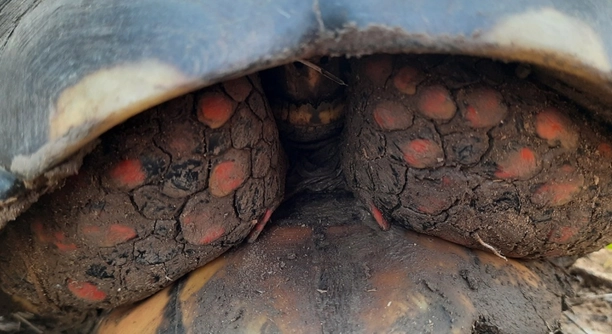
Red-footed tortoises are fascinating creatures, but like all pets, they can face health issues if not properly cared for. Their environment, diet, and daily routine play significant roles in maintaining their well-being.
Proper care for a red-footed tortoise involves a balanced diet, proper habitat, hydration, and regular health checks. Ensuring the right temperature and humidity levels, along with exercise, are key to preventing illness and promoting longevity.
Understanding these aspects will help ensure your tortoise stays healthy and happy. Keep reading to learn how to provide the best care for your red-footed tortoise.
Proper Diet and Nutrition for Your Red-Footed Tortoise
A balanced diet is one of the most important factors in keeping your red-footed tortoise healthy. These tortoises are omnivores, which means they need a mix of vegetables, fruits, and protein. Dark leafy greens, such as kale and collard greens, provide essential nutrients. Avoid feeding them iceberg lettuce, as it offers no real nutritional value. Fruits like papaya, strawberries, and mangoes are great for occasional treats but should be given in moderation due to their high sugar content. Protein sources like worms, crickets, and eggs should be provided but sparingly.
Maintaining variety is crucial in their diet to avoid deficiencies. Offer food that mimics their natural intake in the wild for the best results.
In addition to food, calcium is vital for shell health. Provide calcium supplements or cuttlebone to ensure strong bone development and shell growth. Keep their diet consistent, but also rotate food items regularly to meet their nutritional needs.
The Right Habitat and Environmental Conditions
Providing the right environment is crucial for your tortoise’s well-being. Ensure their habitat is spacious, as red-footed tortoises need room to roam.
The enclosure should have areas for both heating and cooling, with a basking spot where the temperature reaches 90°F to 95°F. This helps digestion and overall health. Make sure there is a shaded spot for them to retreat to when they need to cool off.
Humidity is another factor to consider, as red-footed tortoises thrive in a humid environment. Keep humidity levels around 70-80%. To maintain these levels, mist the enclosure regularly or include a humidifier. Moist bedding, like coconut coir, can also help maintain the humidity while allowing for easy cleaning. Without proper humidity, your tortoise could suffer from respiratory or skin issues.
Proper Lighting and UVB Exposure
Red-footed tortoises need proper UVB lighting to stay healthy. Without it, they may develop shell deformities or metabolic bone disease.
Place a UVB light in the tortoise’s enclosure, ensuring it’s no more than 12 inches above their basking spot. The light should be on for 10-12 hours a day to mimic natural sunlight. Be sure to replace UVB bulbs every six months, as they lose their effectiveness over time.
It’s also important to provide natural sunlight whenever possible. A safe outdoor enclosure is ideal for giving your tortoise exposure to sunlight. Just be sure to avoid overheating or letting them escape the enclosure.
Regular Health Checks
Monitoring your tortoise’s health should be part of your routine. Look for signs like lethargy, loss of appetite, or shell discoloration.
Check for external parasites, such as mites or ticks, and remove them immediately. Inspect the eyes and nose for any discharge or swelling, which could indicate an infection. Also, be mindful of any cracks or lesions on the shell.
Take your red-footed tortoise to a vet experienced with reptiles for annual check-ups. Regular check-ups help detect early signs of illness, preventing more serious conditions from developing. This ensures your tortoise’s health stays on track.
Hydration
Your red-footed tortoise needs access to clean, fresh water at all times. Dehydration can lead to serious health issues.
Make sure the water dish is large enough for your tortoise to drink and soak in. Change the water daily to keep it clean and free of bacteria.
If your tortoise isn’t drinking, you can mist them or soak them in lukewarm water to encourage hydration.
Proper Exercise
Red-footed tortoises need space to roam for regular physical activity. A lack of exercise can lead to obesity and health problems.
Provide a large enough area for your tortoise to move around and explore. A secure outdoor enclosure is ideal, but an indoor setup works too as long as it’s spacious.
Allowing your tortoise to roam freely in a safe area promotes healthy movement and exercise, supporting proper muscle development.
Clean and Safe Environment
Keep your tortoise’s living space clean to prevent infections.
Remove any uneaten food and waste daily to avoid bacteria buildup. Regularly replace bedding to maintain a hygienic environment.
FAQ
How often should I feed my red-footed tortoise?
Feed your red-footed tortoise 3 to 4 times a week, offering a balanced diet of leafy greens, vegetables, fruits, and occasional protein. The amount of food should be enough to fill them up without leaving excessive leftovers. Adjust the frequency based on their age and activity level.
Can red-footed tortoises eat fruit every day?
Fruits should be given in moderation. While they enjoy sweet treats like mango, papaya, and strawberries, these are high in sugar and should be limited to a few times a week. This helps maintain a healthy diet and avoids weight gain or digestive issues.
What should I do if my red-footed tortoise refuses to eat?
If your tortoise isn’t eating, it could be due to stress, illness, or improper environmental conditions like temperature or humidity. Check the habitat setup, ensure they’re hydrated, and offer a variety of foods. If the problem persists, consult a vet experienced with reptiles.
How long do red-footed tortoises live?
Red-footed tortoises can live up to 50 years or more with proper care. Their lifespan depends on factors like diet, habitat, and overall health. Providing a safe, enriching environment can ensure a long and healthy life for your tortoise.
Do red-footed tortoises need a heating lamp?
Yes, a heating lamp is essential. These tortoises are ectothermic, meaning they rely on external heat sources to regulate their body temperature. Ensure there’s a basking spot with temperatures between 90°F and 95°F, and a cooler area for them to retreat to.
Can red-footed tortoises be kept indoors?
Yes, they can be kept indoors, but they need a spacious enclosure with the right temperature, humidity, and UVB lighting. If possible, provide outdoor time in a safe, secure area for natural sunlight. Regularly monitor their health and adjust their environment as needed.
What temperature should a red-footed tortoise’s habitat be?
The temperature should range from 75°F to 85°F in most of the enclosure, with a basking area reaching 90°F to 95°F. Nighttime temperatures should drop to around 70°F to 75°F. A thermometer will help monitor the environment and ensure your tortoise stays comfortable.
Can red-footed tortoises swim?
Red-footed tortoises are not strong swimmers, but they enjoy soaking in shallow water. Provide a shallow dish or a small pool for them to soak in, but never leave them unsupervised in deeper water as they may struggle to get out.
How do I prevent my red-footed tortoise from getting sick?
Prevent illness by providing a proper diet, clean water, appropriate lighting, and a suitable habitat with correct temperature and humidity levels. Regular health checks, a clean environment, and avoiding stress are essential to keeping your tortoise healthy.
Is it safe to take my red-footed tortoise outside?
Yes, but only in a secure, enclosed area. Outdoor time gives your tortoise access to natural sunlight and encourages healthy movement. Make sure the enclosure is predator-proof, shaded, and has a safe place for them to hide if needed.
What are the signs of a sick red-footed tortoise?
Signs of illness include lack of appetite, lethargy, nasal discharge, swollen eyes, shell abnormalities, or unusual behavior. If you notice any of these symptoms, take your tortoise to a reptile vet for evaluation and treatment.
Do I need to provide a humidity source for my red-footed tortoise?
Yes, red-footed tortoises require humidity levels between 70-80%. You can maintain this by misting their enclosure, using a humidifier, or providing moisture-retaining bedding like coconut coir. Proper humidity prevents respiratory issues and helps with shedding.
Can red-footed tortoises eat weeds or wild plants?
Yes, red-footed tortoises can eat certain weeds and wild plants, such as dandelions and clover. However, be cautious, as some plants can be toxic to tortoises. Always ensure the plants are safe and free from pesticides before offering them.
What kind of substrate is best for red-footed tortoises?
Use a substrate that retains moisture but also allows for easy cleaning. Coconut coir, organic topsoil, or a mix of sand and soil works well. Avoid using pine or cedar shavings, as these can release harmful fumes.
Do red-footed tortoises need calcium supplements?
Yes, calcium is essential for their shell and bone health. You can provide calcium through supplements or cuttlebone. Make sure your tortoise gets a proper balance of calcium and phosphorus to prevent metabolic bone disease.
Can I keep more than one red-footed tortoise together?
It’s possible, but it requires careful monitoring. Red-footed tortoises can be territorial, especially males. If you decide to house multiple tortoises together, make sure the enclosure is large enough to provide adequate space and hiding spots for each.
How do I properly clean my red-footed tortoise’s enclosure?
Clean the enclosure regularly by removing uneaten food and waste. Replace bedding as needed and scrub surfaces with mild soap and water to prevent bacteria buildup. Always dry the area completely before putting your tortoise back in.
Final Thoughts
Caring for a red-footed tortoise requires a commitment to providing the right environment, diet, and attention. By ensuring they have a proper habitat with suitable temperatures, humidity, and access to UVB light, you can help your tortoise thrive. Proper hydration, along with a balanced diet of greens, fruits, and occasional protein, plays a vital role in maintaining their health. Their longevity depends on the care they receive, and creating a stress-free environment will go a long way in preventing illness and encouraging a happy, active life.
Exercise and space are crucial elements for your tortoise’s well-being. Allowing them to move freely in a safe, secure area encourages natural behavior and prevents issues related to lack of physical activity. Regular outdoor time, when safe, is also beneficial for their mental and physical health. Offering a variety of foods ensures a balanced diet, while making sure their living area is clean and comfortable promotes good hygiene. Keeping track of their health with regular vet check-ups helps catch any issues early and ensures they remain in top condition.
Preventing illness in a red-footed tortoise boils down to consistent care. By maintaining a proper diet, ensuring adequate hydration, and providing the right environment, you can significantly reduce the chances of health problems. Taking simple steps, such as cleaning their enclosure, offering varied food options, and monitoring their behavior, helps keep your tortoise healthy and happy for many years. A well-cared-for tortoise can live for decades, offering companionship and joy as you continue to provide for its needs. With the right attention, your tortoise will thrive.

Hello,
If you enjoy the content that we create, please consider saying a "Thank You!" by leaving a tip.
Every little bit helps us continue crafting quality advice that supports the health, happiness, and well-being of pets around the world, for pets of all shapes, sizes, and species.
We really appreciate the kindness and support that you show us!