
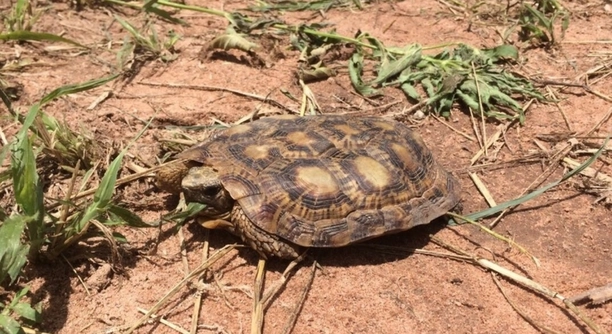
Pancake tortoises are unique and fascinating pets, but keeping them healthy requires more than just the basics. Proper care involves ensuring they get the right nutrients to avoid vitamin deficiencies. This article explores ways to prevent these issues.
The best way to prevent vitamin deficiency in pancake tortoises is by providing a well-balanced diet that includes proper supplementation. Ensuring access to calcium, vitamins A and D3, and appropriate UVB exposure can help maintain their health and prevent deficiencies.
Maintaining the right balance of nutrients is essential for their well-being. Read on to discover simple steps you can take to keep your pancake tortoises healthy and thriving.
Importance of a Balanced Diet for Pancake Tortoises
A well-rounded diet is crucial for pancake tortoises to stay healthy. They need a variety of foods to ensure they get the necessary vitamins and minerals. A good mix of leafy greens, vegetables, and some fruits provides essential nutrients. Supplementing their diet with calcium and vitamin D3 is equally important, as it helps prevent shell deformities and supports bone health. Some foods, like dark leafy greens and dandelion leaves, are naturally high in calcium, which is essential for their overall well-being.
Providing your pancake tortoises with different food options also keeps them engaged. It’s vital to avoid overfeeding with one type of food, as this can lead to imbalances. A variety of foods helps mimic their natural diet, which is essential for long-term health.
Additionally, ensure that their meals are fresh and pesticide-free. Introducing a variety of edible plants, like clover or hibiscus, can help replicate what they would eat in the wild, supporting a well-rounded nutrition plan.
Proper UVB Exposure
UVB lighting is essential for pancake tortoises to process vitamin D3. Without UVB light, they can’t properly absorb calcium, leading to weakened bones and shells. Providing a proper UVB light source helps prevent such deficiencies.
Regular exposure to natural sunlight or high-quality UVB bulbs for about 10 to 12 hours a day supports healthy vitamin D3 levels. This should be paired with a balanced diet, as it ensures your tortoise can metabolize the calcium from their food. Remember, too much UVB exposure can cause skin issues, so find a balanced approach.
Make sure the light is set up properly in their habitat, ensuring it’s not too far from them. If you’re using artificial lighting, choose a high-quality UVB bulb, and replace it every six months, as its UVB output decreases over time. A combination of light and diet is vital to keep your tortoises strong and healthy.
Calcium Supplements
Calcium supplements are an important part of preventing deficiencies in pancake tortoises. Without enough calcium, their shells can become weak or deformed. It’s best to provide a dusting of calcium powder over their food regularly to ensure they’re getting the right amount.
Ensure you are using a high-quality calcium supplement that doesn’t contain phosphorus. Calcium is best absorbed when it’s combined with vitamin D3, so providing both in their diet is crucial. Too much calcium can also lead to problems, so follow recommended dosage guidelines based on their age and size. It’s important to balance calcium with other nutrients.
When introducing calcium supplements, start with small amounts and monitor your tortoise’s condition. If they’re not eating their food with the supplement, try offering it on different types of food. It’s essential to observe their reactions and adjust accordingly to keep their intake steady and balanced.
Vitamin A and D3
Vitamin A and D3 are essential for pancake tortoises to stay healthy. These vitamins help maintain good vision, strong immune function, and healthy skin. Vitamin D3 also aids in calcium absorption, making it especially important for shell and bone health.
Including foods like carrots, sweet potatoes, and dark leafy greens provides a natural source of vitamin A. If your tortoise isn’t eating enough of these foods, a supplement can be added. Vitamin D3 can be provided through UVB lighting or supplementation. It’s best to find a balance of both to avoid deficiencies.
Be cautious with over-supplementation, as too much of either vitamin can lead to toxicity. If you notice signs of vitamin overdose, like swollen limbs or lack of appetite, adjust their diet and consult with a vet. Proper vitamin intake is key to ensuring your pancake tortoise stays healthy.
Hydration
Proper hydration is vital for pancake tortoises to prevent dehydration and support digestion. Always ensure they have access to clean, fresh water. Dehydration can lead to several health issues, including sluggish behavior and dry skin.
Offering a shallow water dish allows them to drink easily and soak if needed. This also aids in digestion and helps them absorb nutrients from their food. A hydrated tortoise is more likely to maintain a healthy shell and overall well-being.
Habitat Temperature
Temperature plays a major role in the health of pancake tortoises. The right temperature helps them digest their food properly and absorb vitamins and nutrients. Too hot or too cold can lead to stress and health issues.
Ensure their habitat has a warm basking spot, around 95°F (35°C), and a cooler area around 75°F (24°C). This range allows them to regulate their body temperature and stay comfortable. Monitor the temperature regularly to make sure it stays consistent, especially when using heat lamps or bulbs.
Avoiding Stress
Stress is one of the leading factors contributing to health problems in pancake tortoises. Excessive stress can affect their eating habits and immune system, leading to vitamin deficiencies. Ensure their enclosure is free from loud noises or disturbances.
A calm, quiet space with ample hiding spots for them to retreat to helps reduce stress levels. Make sure their habitat mimics their natural environment, as this will encourage natural behaviors and improve their overall health.
FAQ
How can I tell if my pancake tortoise has a vitamin deficiency?
Signs of vitamin deficiencies can vary depending on which nutrient is lacking. If your pancake tortoise is suffering from a vitamin A deficiency, you may notice eye problems, such as cloudy or swollen eyes. Vitamin D3 deficiencies can cause soft or deformed shells. Calcium deficiency can lead to weak, soft bones, making it harder for your tortoise to move and grow. Loss of appetite, lethargy, or visible changes in their skin may also indicate an issue with nutrition. If you notice any of these signs, consult with a vet to confirm the diagnosis.
What are the best food sources for vitamin A and D3?
For vitamin A, foods like carrots, sweet potatoes, and dark leafy greens (such as collard greens and kale) are excellent sources. For vitamin D3, UVB exposure is the most natural way to provide this nutrient, but you can also supplement their diet with foods like cuttlefish bone or commercially available reptile supplements. Combining a balanced diet with proper UVB lighting is key to ensuring adequate vitamin intake.
Can I over-supplement my tortoise’s diet?
Yes, it’s possible to over-supplement, and it can cause health issues. Over-supplementing vitamin A or D3 can lead to toxicity, resulting in problems like swollen limbs, lethargy, or appetite loss. Calcium overdose can cause kidney problems or abnormal shell growth. Always follow dosage guidelines when using supplements and avoid excessive amounts. Monitoring your tortoise’s health regularly will help you ensure you’re not overdoing it.
How often should I offer calcium supplements to my pancake tortoise?
Calcium supplements should be offered regularly, but the exact frequency depends on your tortoise’s age, size, and diet. For young tortoises, calcium should be offered every other day. Adults may require calcium supplementation two to three times a week. If your tortoise is already eating calcium-rich foods like dark leafy greens, you can reduce the amount of supplementation. Be mindful of how much they’re getting from both their diet and supplements.
Is UVB lighting enough for my tortoise to get vitamin D3?
UVB lighting is an important source of vitamin D3 for pancake tortoises, but it’s not always enough on its own. They need proper exposure to UVB rays to help their bodies process calcium. The correct UVB bulb should be in use for 10-12 hours daily. However, during the warmer months, providing your tortoise with natural sunlight for additional UVB exposure is beneficial. Regularly replace UVB bulbs every 6 months, as their effectiveness diminishes over time.
What are the signs of dehydration in pancake tortoises?
Dehydration can be difficult to spot in pancake tortoises, but there are a few common signs. If your tortoise seems unusually lethargic, refuses to eat, or has dry, flaky skin, dehydration could be a concern. Check their eyes for signs of sunkenness or dryness. Ensure they always have access to fresh water, and offer a shallow soaking dish for them to hydrate. If dehydration persists, consult with a vet for further advice.
How can I improve the overall health of my pancake tortoise?
The key to maintaining a healthy pancake tortoise is consistency. Ensure they have a balanced diet with the right mix of leafy greens, vegetables, and fruits, along with appropriate supplementation. Provide access to clean water, proper UVB lighting, and a suitable temperature range. Reducing stress by offering a quiet, calm environment with hiding spots and minimal disturbances will also keep your tortoise happy and healthy. Regular health checks and monitoring their behavior will help catch any problems early.
Can my pancake tortoise eat fruit?
Yes, pancake tortoises can eat fruit, but it should only be offered occasionally. Fruits like strawberries, melons, and apples can be a nice treat, but they should not be a staple in their diet. Too much sugar can cause digestive issues, and fruits lack the calcium and fiber they need for proper digestion. Stick to offering fruit as a supplement to a more balanced diet of greens and vegetables.
How often should I change my tortoise’s habitat substrate?
You should change the substrate in your pancake tortoise’s enclosure every few weeks or as needed. Keeping their habitat clean is important for preventing infections and ensuring their environment stays hygienic. Spot cleaning daily is helpful to remove waste, while a full substrate change helps maintain a fresh and healthy living space. Always choose a safe, natural substrate like coconut coir, sphagnum moss, or grass hay to avoid any harmful materials.
How can I tell if my pancake tortoise is stressed?
Stressed pancake tortoises may display signs such as reduced appetite, hiding more than usual, or becoming more aggressive. You may notice them moving less or being overly cautious in their environment. Make sure the habitat is quiet, with adequate hiding spots and no sudden loud noises. Stress can weaken their immune system, leading to potential health issues, so it’s crucial to address stress factors in their environment.
Can I house more than one pancake tortoise together?
Pancake tortoises are generally solitary animals and can become territorial, especially if housed with others. It’s not uncommon for tortoises to display aggression towards each other, especially if there are not enough resources or hiding spaces. If you wish to house more than one, ensure that each tortoise has its own space, and monitor them closely for any signs of stress or fighting. Keeping a single tortoise is often the best option to ensure a healthy, stress-free environment.
Taking care of a pancake tortoise requires more than just providing the basics. To ensure they stay healthy and happy, it’s crucial to focus on their diet, UVB lighting, hydration, and overall habitat. Pancake tortoises, like many reptiles, depend on a balanced diet that includes calcium, vitamins A and D3, and proper hydration. Without these essential nutrients, they can develop various health issues, including weak bones and deformed shells. Ensuring they get the right food and supplements regularly is a simple way to avoid these deficiencies.
Creating the right environment is just as important. Providing the proper temperature range, along with a suitable habitat for hiding and basking, will help your tortoise feel comfortable and stress-free. A calm, quiet environment encourages natural behaviors and reduces anxiety, which can contribute to better health. UVB lighting is essential for calcium absorption, so make sure to invest in a good quality UVB light and maintain it regularly. Additionally, ensuring your tortoise has access to fresh water for hydration and soaking is key to preventing dehydration and supporting digestion.
With consistent care, pancake tortoises can thrive in captivity. Regularly check on their behavior and health, adjusting their diet or habitat as needed. Remember that each tortoise may have different needs, so observing them closely and making small adjustments will help them live a long and healthy life. Providing proper nutrition, a balanced habitat, and minimizing stress will not only prevent vitamin deficiencies but also improve their overall quality of life.

Hello,
If you enjoy the content that we create, please consider saying a "Thank You!" by leaving a tip.
Every little bit helps us continue crafting quality advice that supports the health, happiness, and well-being of pets around the world, for pets of all shapes, sizes, and species.
We really appreciate the kindness and support that you show us!