
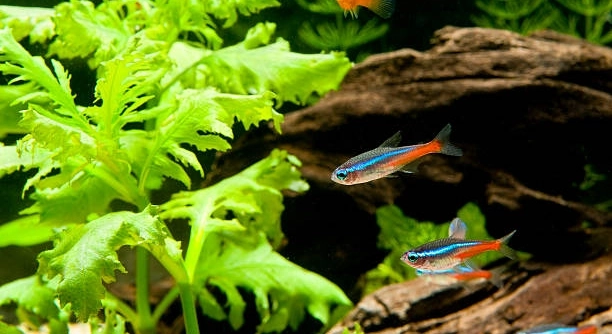
Neon Tetras are delicate fish that require stable water conditions. One of the most critical aspects of maintaining a healthy tank is preventing sudden pH swings, which can stress your fish and lead to health problems.
To prevent sudden pH swings in a Neon Tetra tank, regular water testing and maintaining consistent water changes are key. Using buffering agents and adjusting the filtration system can also help stabilize pH levels, promoting a healthier environment.
Small changes can greatly impact the well-being of your fish. Understanding these practices can help you maintain a balanced and thriving aquarium.
Importance of Regular Water Testing
Regular water testing is one of the most effective ways to monitor the pH levels in your tank. Neon Tetras are sensitive to fluctuations, so testing the water every few days will help you identify any potential issues early. Using a reliable test kit allows you to check not only pH but also other water parameters like ammonia, nitrite, and nitrate. Keeping track of these levels gives you a clear picture of your tank’s health.
In addition to pH, it’s important to monitor temperature and hardness. If the water becomes too acidic or alkaline, your Neon Tetras can become stressed. This can weaken their immune system and make them more susceptible to disease. Regular tests will prevent you from being caught off guard and allow you to adjust conditions before it affects your fish.
Testing your water regularly also helps you decide when it’s time for water changes. By maintaining a stable environment, you reduce the risk of any sudden changes that could harm your fish.
Use of Buffering Agents
Buffering agents help stabilize pH levels in your aquarium. They are available in various forms, including powders and liquids, and can prevent sudden swings in pH.
While they are a helpful tool, it’s important to research which buffering agent is best suited for your tank. Some may raise the pH while others lower it, depending on your needs.
Filtration System Adjustments
A well-maintained filtration system helps keep the water clean and stable. Make sure your filter is running efficiently to avoid water imbalances that can affect pH levels. Regular cleaning ensures that debris doesn’t clog the filter, which can lead to water quality issues.
Filters work by removing waste, toxins, and particles that may affect the water’s chemistry. Over time, bacteria colonies can also build up, which can alter the pH. If the filter is too powerful or too weak, it can disrupt the balance. Ensure the filter is suitable for your tank size and that the water flow is steady.
It’s essential to replace filter media as needed and check it regularly for any blockages. Adjusting the filtration system as your tank matures ensures that it continues to support a stable pH and provides a healthy environment for your Neon Tetras.
Water Changes and Consistency
Water changes help keep your tank’s conditions stable and maintain the right pH level. Performing regular water changes is essential for removing excess nutrients and preventing harmful chemicals from building up.
Consistency is key when it comes to water changes. Aim for 20-30% of the tank’s water every week or bi-weekly. Sudden, large water changes can cause rapid shifts in pH, which stresses your fish. When replacing the water, always make sure it’s treated and matched in temperature to the tank’s current water.
Even minor adjustments to the water can have a big impact on the tank’s overall chemistry. Regular, small changes help keep pH levels consistent, ensuring your Neon Tetras stay healthy and stress-free.
Monitoring Tank Decorations
Tank decorations can affect the pH level. Items like driftwood and certain rocks can leach acids into the water, causing the pH to drop. Regularly check your decorations for signs of wear and any potential impact on the water.
Some decorations, especially natural materials like limestone, can raise pH over time. It’s important to research the materials before placing them in your tank to avoid unintentional pH fluctuations.
Aquarium Plants and pH Balance
Live plants in your tank can help stabilize pH levels by absorbing excess carbon dioxide. This helps prevent the water from becoming too acidic, keeping your fish healthier.
However, be cautious about overplanting. Too many plants can lead to oxygen depletion at night, which can also cause pH swings. Balance plant growth with the tank’s needs to maintain steady conditions.
FAQ
What is the ideal pH level for a Neon Tetra tank?
The ideal pH for a Neon Tetra tank is between 6.0 and 7.0. They thrive in slightly acidic to neutral water. A pH level within this range helps ensure your fish are healthy and active. It’s important to regularly check the pH to maintain a stable environment.
How often should I test the water in my Neon Tetra tank?
Test the water at least once a week. Frequent testing helps catch issues before they become serious. Make sure to check the pH, ammonia, nitrite, and nitrate levels. These are critical to the health of your fish and the stability of the tank’s environment.
Can pH levels change suddenly in a Neon Tetra tank?
Yes, pH levels can change suddenly, especially if there is a disruption in the tank’s environment. Factors like water changes, decorations, or the type of filtration used can cause sudden shifts. It’s important to monitor regularly and adjust accordingly to prevent stress on your Neon Tetras.
How can I safely adjust the pH in my tank?
To raise the pH, you can add alkaline substances such as baking soda or crushed coral. To lower the pH, you can use substances like peat moss or a commercially available pH-lowering product. Make changes slowly to avoid shocking your fish. Test the water after each adjustment.
Is it safe to use chemicals to adjust the pH?
While chemicals can be used to adjust pH, they should be used with caution. Sudden or drastic changes in pH can harm your fish. It’s always better to make gradual changes and monitor the pH frequently. Consider using natural methods like buffering agents or adjusting water parameters slowly over time.
Can poor water quality affect the pH in my Neon Tetra tank?
Yes, poor water quality can cause fluctuations in pH. High levels of ammonia or nitrate can lower pH, while the accumulation of organic waste can also lead to changes. Keeping up with regular water changes and maintaining proper filtration can help maintain stable water quality and pH levels.
How do water changes impact the pH of my tank?
Water changes can impact pH, especially if the new water has different parameters than the existing tank water. This is why it’s important to match the temperature and pH of the new water with the existing water. Gradual changes in water parameters are key to preventing pH swings.
What are the signs that my Neon Tetras are stressed due to pH swings?
Signs of stress in Neon Tetras include unusual swimming behavior, such as swimming near the surface or hiding more often. They may also lose their color, becoming dull or faded. If you notice these signs, test your water and adjust the pH accordingly.
Do I need a pH stabilizer for my Neon Tetra tank?
Using a pH stabilizer can help maintain a consistent pH level, especially in tanks that experience frequent fluctuations. However, they should be used as a supplement to regular water testing and maintenance. Regular water changes, proper filtration, and careful monitoring are still essential.
How does temperature affect pH in a Neon Tetra tank?
Temperature can affect pH levels, as warmer water typically has a lower pH. Keep the temperature stable within the range of 72-78°F (22-25°C) for Neon Tetras. Drastic temperature changes can cause pH swings, which can stress the fish and affect their health.
Can live plants help stabilize pH levels in my tank?
Yes, live plants can help stabilize pH by absorbing excess carbon dioxide and releasing oxygen. This reduces the likelihood of the water becoming too acidic. However, an overgrowth of plants can consume too much oxygen, especially at night, which can cause the pH to drop. Keep a balance between the plants and the tank’s needs.
What should I do if I notice sudden pH swings?
If you notice sudden pH swings, first test the water to confirm the pH level. Check for any changes in tank decorations, water quality, or filter performance that may have caused the fluctuation. Gradually adjust the pH using buffering agents or water changes. Avoid making quick changes that could stress your fish.
Can pH fluctuations harm my Neon Tetras?
Yes, pH fluctuations can be harmful to Neon Tetras. They are sensitive to sudden changes in their environment. Consistent pH helps them thrive, while frequent shifts can lead to stress, weakened immune systems, and an increased risk of disease. Keeping the water parameters stable is essential for their health.
Are there any specific decorations that could affect pH?
Yes, certain decorations like driftwood, rocks, and shells can influence pH. Driftwood tends to lower the pH by releasing tannins into the water, while rocks like limestone can raise the pH. Before adding new decorations, make sure to research how they may impact the water’s chemistry.
How can I maintain consistent pH without adding chemicals?
To maintain consistent pH without chemicals, focus on regular water changes, proper filtration, and natural buffering methods. Consider adding live plants, which help absorb excess carbon dioxide and stabilize pH. Avoid placing decorations that can alter the water chemistry significantly.
What should I do if my pH is too low or too high for my Neon Tetras?
If the pH is too low, you can add crushed coral or other buffering agents to raise it. If it’s too high, you can lower it by adding peat moss or using a pH-lowering product. Make adjustments slowly, and monitor the pH regularly to prevent sudden shifts.
Final Thoughts
Maintaining stable pH levels in a Neon Tetra tank is crucial for the health of your fish. Since these fish are sensitive to changes in their environment, it’s important to regularly monitor water parameters, including pH, ammonia, nitrites, and nitrates. Small fluctuations in pH can stress your Neon Tetras, leading to weakened immune systems and making them more susceptible to diseases. By keeping the pH in the ideal range of 6.0 to 7.0, you can help ensure your fish remain active, colorful, and healthy.
To prevent pH swings, consider factors such as filtration, water changes, and tank decorations. Regular water changes, ideally 20-30% every week, help maintain water quality and prevent harmful substances from accumulating. When changing water, it’s important to match the new water’s pH and temperature with that of the tank to avoid shock. Also, be mindful of tank decorations like driftwood, which can lower the pH, and rocks like limestone, which can raise it. Regular cleaning of the filter is also essential for maintaining stable water conditions, as an inefficient filter can lead to an unstable tank environment.
In addition, live plants can play a key role in stabilizing pH levels. They help absorb excess carbon dioxide, which can otherwise lower the pH, and release oxygen into the water. However, it’s important to avoid overplanting, as an excess of plants can lead to oxygen depletion, particularly at night when photosynthesis slows down. With careful attention to water quality, filtration, and plant care, you can maintain a stable and healthy environment for your Neon Tetras. This will not only help prevent pH swings but also support the overall well-being of your fish, ensuring they thrive for years to come.

Hello,
If you enjoy the content that we create, please consider saying a "Thank You!" by leaving a tip.
Every little bit helps us continue crafting quality advice that supports the health, happiness, and well-being of pets around the world, for pets of all shapes, sizes, and species.
We really appreciate the kindness and support that you show us!