
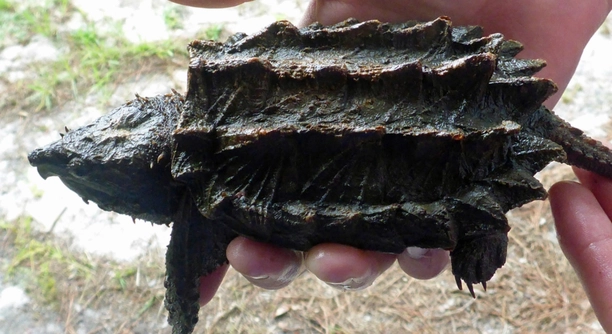
Mold growth in an alligator snapping turtle tank can be harmful to their health. It’s important to maintain a clean environment to prevent mold from forming. The following tips will help you keep your turtle’s habitat safe and mold-free.
To prevent mold in an alligator snapping turtle tank, ensure proper tank ventilation, regular cleaning, and controlled humidity levels. Use a filtration system, remove waste promptly, and regularly inspect for mold growth to maintain a healthy environment for your turtle.
By following these simple steps, you can ensure your alligator snapping turtle’s habitat remains safe, clean, and free from mold. The next sections will provide helpful tips on keeping your turtle’s tank in optimal condition.
Ensure Proper Tank Ventilation
A well-ventilated tank is crucial for keeping mold at bay. Without adequate airflow, the humidity in the tank can rise too high, creating a perfect breeding ground for mold. To improve ventilation, consider using a lid with air vents or adding a fan near the tank to circulate air. Additionally, make sure the tank is not placed in a confined area where airflow is restricted.
You can also use a mesh top instead of a solid lid to allow more air to flow through. Regularly check for any signs of excess condensation, as it can be an indicator of poor ventilation.
Maintaining ventilation is not just about air circulation; it’s about balancing the moisture levels. If the humidity is too high, mold will thrive. Be mindful of water changes and humidity control. Use a hygrometer to monitor the moisture levels and adjust the tank’s environment accordingly to keep it at a safe level for your turtle.
Clean Your Tank Regularly
Cleaning the tank regularly is essential in preventing mold. Removing debris, leftover food, and waste prevents them from sitting and promoting mold growth. A deep clean every few weeks, along with spot cleaning daily, will help maintain a mold-free environment.
Scrub the tank walls and substrate to ensure no leftover material lingers. Regular maintenance reduces the chances of mold becoming a problem.
Control Humidity Levels
Humidity levels need to be controlled to avoid mold growth. Using a hygrometer, you can monitor the moisture in the tank and adjust as needed. Keep the humidity levels between 50% and 70%, which is optimal for your turtle’s health while discouraging mold growth.
If the humidity is too high, mold can form on the tank walls or substrate. A dehumidifier or air circulation fan can help reduce moisture in the air. Regular water changes also assist in keeping the environment balanced. A simple misting spray can maintain humidity without overdoing it.
If humidity becomes an issue, consider placing absorbent materials, like dry moss or a dehumidifying gel, near the tank. These can help reduce excess moisture, making it harder for mold to take root. Avoid over-wetting the substrate, as this can lead to mold growth. Find the right balance and check often.
Use a Proper Filtration System
A good filtration system is a must for keeping your alligator snapping turtle tank free of mold. A quality filter will remove waste and other organic material that could foster mold growth. The filtration system helps maintain water clarity, ensuring your turtle’s living environment stays clean and mold-free.
Make sure the filter is the right size for your tank. Filters that are too small won’t properly clean the water, leaving behind debris. On the other hand, too powerful a filter can disturb your turtle’s environment. The goal is to find the right balance that allows the water to remain clean without creating unnecessary water flow.
Check and clean the filter regularly. Even the best filtration systems need maintenance. Clean or replace the filter media as recommended to avoid clogging and bacteria buildup. By keeping your filter in good condition, you ensure your tank’s water stays fresh, and mold doesn’t have a chance to thrive.
Remove Leftover Food and Waste
Leftover food and waste in the tank can attract mold and bacteria. Remove uneaten food after a few hours, especially if it’s perishable. Check the substrate for any hidden debris or waste that could foster mold growth. Clean the tank and substrate regularly to prevent this build-up.
A clean tank also means less work in the long run. Mold thrives on organic matter, so regular cleaning helps reduce mold risks. Don’t let any food or waste sit for too long. This is a simple step that makes a big difference in maintaining a healthy environment.
Maintain Tank Temperature
Maintaining the correct tank temperature is essential for preventing mold. Mold tends to grow faster in colder conditions, so keep the tank within the recommended temperature range for your turtle. A stable, warm environment helps reduce humidity and discourages mold growth.
Ensure the tank heater is functioning properly. Make sure to test the water temperature regularly to prevent fluctuations that could cause mold to thrive. A consistent temperature helps keep the habitat healthy and keeps mold at bay.
Avoid Overcrowding
Overcrowding the tank with too many turtles or other creatures can cause water quality to degrade quickly. This leads to excess waste, which can trigger mold growth. Keeping the tank sparsely populated ensures better water quality and easier maintenance. Regularly check that the tank size is suitable for the number of turtles you have.
FAQ
How often should I clean my alligator snapping turtle’s tank to prevent mold?
You should clean the tank at least once a week to prevent mold growth. This includes removing any waste, leftover food, and cleaning the walls of the tank. Spot cleaning daily will also help reduce the chance of mold forming. Make sure to do a deep clean every few weeks to ensure the water remains fresh and the substrate is mold-free.
Can mold harm my alligator snapping turtle?
Yes, mold can be harmful to your turtle’s health. Mold can cause respiratory problems and skin infections if your turtle comes into contact with it. It can also negatively impact the water quality, leading to poor living conditions. Keeping the tank clean and well-maintained will minimize the risk of mold affecting your turtle’s health.
What are some signs that mold is growing in my turtle’s tank?
Common signs of mold include a fuzzy or slimy layer on the tank’s surface, substrate, or decorations. You may also notice a musty smell, which is often a sign of mold presence. Regularly inspecting the tank for these signs and cleaning when necessary is essential to maintaining a healthy environment for your turtle.
Can I use chemicals to remove mold in my turtle’s tank?
It’s best to avoid using harsh chemicals to remove mold from your turtle’s tank. Chemicals can be toxic to your turtle and alter the water quality. Instead, use natural cleaning methods like vinegar or hydrogen peroxide, but be sure to rinse the tank thoroughly afterward. Regular cleaning and maintenance are the safest options.
How can I control humidity in my turtle’s tank?
To control humidity, use a hygrometer to monitor the moisture levels and keep them between 50% and 70%. You can use a fan or a dehumidifier to reduce excess moisture in the air. Make sure the tank is ventilated properly and avoid over-wetting the substrate. Regular water changes also help manage humidity levels.
What is the ideal temperature for an alligator snapping turtle’s tank to prevent mold?
The ideal temperature range for an alligator snapping turtle tank is between 72°F and 78°F (22°C to 26°C). Maintaining a stable temperature helps reduce excess moisture and mold growth. Use a reliable tank heater to regulate the temperature and avoid fluctuations that may encourage mold to thrive.
Should I remove my turtle when cleaning the tank?
Yes, it’s a good idea to remove your turtle when cleaning the tank. This ensures that the cleaning process is thorough and avoids exposing your turtle to harsh cleaning agents or disturbed water. You can place your turtle in a temporary, safe environment while cleaning the tank and then return it afterward.
Can mold grow on the decorations in the tank?
Yes, mold can grow on decorations like rocks, logs, or plants if they are kept too wet or not cleaned regularly. Always make sure to clean decorations during tank maintenance, and allow them to dry properly between cleanings. This will help prevent mold from taking hold on any surface.
How do I prevent mold if my tank is in a humid environment?
If your tank is in a naturally humid area, use a dehumidifier to help control moisture in the air. You can also adjust the tank’s ventilation to ensure better airflow. Regularly monitor humidity levels with a hygrometer and make adjustments to maintain the ideal range for both your turtle’s health and to prevent mold.
What type of substrate is best to prevent mold growth?
Use a substrate that doesn’t retain too much moisture, such as river rock or ceramic tiles, to prevent mold from forming. Avoid using substrates that are overly absorbent, like peat moss, which can hold excess moisture and promote mold growth. Ensure that the substrate is clean and dry when not in use to prevent mold buildup.
Can I use a UVB light to help with mold prevention?
While a UVB light is important for your turtle’s health, it doesn’t directly prevent mold. However, UVB light can help regulate the tank’s temperature and improve overall tank conditions, which may indirectly help control moisture levels. Make sure the light is on a timer and provides the proper heat and UVB rays for your turtle.
Is it safe to use a fan in my turtle’s tank?
Yes, using a fan can help with air circulation and control humidity, especially in a closed tank. Make sure the fan is positioned to circulate air without blowing directly on your turtle. This will help reduce moisture buildup, preventing mold growth while keeping your turtle comfortable. Just be sure to monitor the humidity and adjust the fan as needed.
How do I maintain the water quality to prevent mold?
Maintaining water quality is key to preventing mold. Use a filtration system suited to your tank size and keep it clean. Regularly replace the water, and remove debris or waste promptly. Testing the water for proper pH, ammonia, and nitrate levels ensures your turtle’s environment stays safe and free from mold.
What should I do if I find mold in my turtle’s tank?
If you find mold, remove it immediately. Clean the affected area with a mild vinegar solution or hydrogen peroxide, and rinse thoroughly. Check the rest of the tank to ensure no other areas are affected. Adjust humidity, temperature, and ventilation to prevent mold from returning.
Final Thoughts
Keeping an alligator snapping turtle tank mold-free requires regular attention and maintenance. Mold growth can be harmful to your turtle’s health and disrupt the tank’s environment. By maintaining the right temperature, humidity, and ventilation, you can reduce the risk of mold. Regular cleaning and monitoring the water quality also play significant roles in ensuring a safe and healthy habitat for your turtle. These steps may seem like a lot at first, but once they become part of your routine, they will keep your turtle’s home safe and comfortable.
The key to preventing mold is balance. Avoid excessive moisture in the tank, but also ensure the humidity levels are suitable for your turtle. Proper filtration is also essential in keeping the water clean and preventing organic matter from accumulating, which could lead to mold growth. Checking the water and tank regularly for any signs of mold or poor water quality will help you address issues early. Maintaining a balance in the tank’s environment will not only prevent mold but also promote your turtle’s overall well-being.
In the end, preventing mold is about creating a stable, healthy environment for your alligator snapping turtle. With proper care, your turtle’s tank will stay mold-free and provide a safe, clean space for it to thrive. Though there are several steps involved, it’s important to remember that the effort you put into maintaining your turtle’s tank pays off in keeping them happy and healthy for years to come.

Hello,
If you enjoy the content that we create, please consider saying a "Thank You!" by leaving a tip.
Every little bit helps us continue crafting quality advice that supports the health, happiness, and well-being of pets around the world, for pets of all shapes, sizes, and species.
We really appreciate the kindness and support that you show us!