
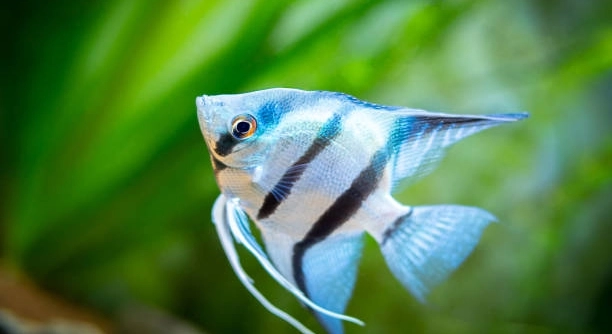
Keeping angelfish healthy in a tank can sometimes be challenging. Preventing diseases in their environment requires consistent attention to water quality, diet, and overall care. A few simple practices can help ensure your fish thrive and remain disease-free.
To prevent disease in an angelfish tank, maintaining good water quality is key. Regular water changes, filtration, and monitoring for harmful toxins will reduce stress and lower the risk of infections. A balanced diet also supports their immune system.
These tips can make a noticeable difference in your fish’s health and well-being. Following these basic practices will help you maintain a disease-free environment for your angelfish.
Maintaining Clean Water Conditions
One of the most important factors in preventing disease in your angelfish tank is clean water. Fish are highly sensitive to changes in water quality, and dirty water can lead to stress, making them more susceptible to illness. Regularly checking and maintaining the water conditions is essential. This includes monitoring pH levels, ammonia, nitrite, and nitrate concentrations. Using a good filtration system will help keep the water clean, but it’s still crucial to perform partial water changes every week to remove excess waste and toxins. Keeping the water temperature stable and within the recommended range will also help avoid stressing your fish.
Changing 25% to 30% of the tank’s water every week helps maintain a healthy environment. Avoid overfeeding your fish, as leftover food can decay and pollute the water quickly. Invest in a quality water testing kit to monitor the water’s chemistry. Keeping these levels in check is vital for preventing diseases that can affect angelfish.
Clean water promotes the well-being of your angelfish and can even prevent common skin diseases. A stable environment reduces stress and ensures your fish stay happy. Regularly check your filtration system and consider upgrading if necessary.
Feeding a Balanced Diet
A balanced diet is vital for the health of angelfish. Proper nutrition boosts their immune systems and helps them resist infections.
Angelfish need a mix of high-quality flakes, pellets, and occasional live or frozen food like brine shrimp or bloodworms. Overfeeding can cause uneaten food to rot in the tank, worsening water conditions. Ensure you feed your fish in small amounts, only giving them what they can consume in a few minutes. This reduces waste and helps maintain clean water.
Fish that don’t receive the proper nutrients may develop weakened immune systems, making them more vulnerable to disease. Angelfish also need a variety of foods to ensure they get all the essential vitamins and minerals. A well-rounded diet also improves their color and overall appearance.
Monitoring Fish Behavior
Regularly monitoring your angelfish for any changes in behavior can help you detect health issues early. Look for signs such as abnormal swimming patterns, rapid gill movement, or fish isolating themselves. Any of these behaviors may indicate stress or illness.
Stress can weaken your fish’s immune system, making them prone to diseases. If you notice unusual behavior, check the water quality, ensure the tank is not overcrowded, and verify that the tankmates are not causing stress. Angelfish are social creatures, so having compatible tankmates can reduce anxiety. If the issue persists, consider isolating the sick fish in a quarantine tank to prevent it from spreading any potential diseases to others.
By staying attentive and noting any changes in behavior, you can act quickly to address issues before they become severe. Early detection can help your fish recover faster and avoid the spread of infection to the rest of the tank.
Preventing Overcrowding
Overcrowding can lead to several problems in your angelfish tank. When there are too many fish, the tank becomes more difficult to maintain, leading to poor water quality and increased stress. Angelfish need plenty of space to swim and thrive.
An overstocked tank can result in territorial disputes, causing physical injury and stress. This makes fish more vulnerable to infections. Be mindful of the size of your tank and the number of fish you have. Each angelfish needs at least 10 gallons of water, and when tankmates are added, space requirements increase. Overcrowding also affects the filtration system’s efficiency, making it harder to maintain clean water.
Monitor your fish population carefully and make adjustments if necessary. If the tank becomes too crowded, you may need to rehome some fish or upgrade to a larger tank to provide a healthier environment for everyone. Proper stocking ensures your fish have the room they need to live comfortably.
Regular Tank Maintenance
Regular tank maintenance is essential to keeping your angelfish healthy. This includes cleaning the tank decorations, checking the filtration system, and replacing any worn-out equipment. Small upkeep tasks can make a big difference in preventing disease.
Regular cleaning helps remove algae buildup and any waste that could lead to water pollution. Always turn off your filter before cleaning it, and rinse decorations with water (not soap) to avoid introducing harmful chemicals. Make sure the filter is working properly to maintain optimal water flow, which helps keep your fish’s environment stable.
Keeping up with these tasks reduces the chances of harmful bacteria and parasites spreading throughout the tank. A well-maintained tank promotes a healthier, happier environment for your fish.
Quarantine New Fish
Before adding new fish to your angelfish tank, quarantine them for a few weeks. This practice helps prevent the introduction of diseases into your established tank.
By isolating new fish, you give them time to adjust and allow you to observe their behavior for any signs of illness. This step can save you from introducing parasites, bacteria, or other pathogens to your angelfish tank, keeping your original fish safe from potential infections.
Avoiding Overfeeding
Overfeeding your angelfish can lead to uneaten food decomposing in the tank, which affects water quality. This can create an environment where diseases thrive.
FAQ
How often should I change the water in my angelfish tank?
Water changes should be done regularly, typically once a week. Aim for 25% to 30% of the tank’s water volume. This helps maintain stable water conditions and removes toxins such as nitrates and ammonia that can build up over time. If you have a heavily stocked tank or poor filtration, you may need to change the water more frequently. Always check water quality with a test kit before making changes.
What is the best temperature for angelfish?
Angelfish prefer water temperatures between 76°F and 82°F (24°C to 28°C). It is crucial to keep the water temperature consistent, as large fluctuations can stress the fish, making them more vulnerable to diseases. A reliable heater and thermometer can help maintain this temperature range.
Can angelfish live with other fish?
Yes, angelfish can live with other fish, but it’s important to choose tankmates carefully. They are peaceful but territorial, so avoid aggressive fish or those that are too small to avoid being bullied. Good tankmates include tetras, gouramis, and peaceful catfish. Make sure the tank is large enough for all the fish to have their own space.
What should I feed my angelfish?
A varied diet is important to keep angelfish healthy. They thrive on high-quality flakes, pellets, and occasional live or frozen food like brine shrimp or bloodworms. You can also offer vegetable matter like spinach or zucchini. Feed them small amounts twice a day, ensuring they consume the food within a few minutes. Overfeeding can cause water pollution and health problems.
How can I tell if my angelfish is sick?
Sick angelfish may display several signs. Look for behavior changes like lethargy, swimming near the surface or hiding, abnormal gill movement, or lack of appetite. Physical signs include lesions, discoloration, clamped fins, or white spots on the body. If you notice these symptoms, check water quality and consider isolating the affected fish to prevent spreading illness.
Is it normal for angelfish to fight?
Some level of aggression can be normal, especially among males or when they are defending their territory. However, excessive fighting or bullying can cause stress and injuries. If aggression becomes a problem, rearrange the tank decor to break territorial boundaries or consider adding more hiding spots. In some cases, separating the aggressive fish may be necessary.
What size tank do angelfish need?
Angelfish need at least a 20-gallon tank for a single fish. A larger tank, such as a 30-gallon or 40-gallon tank, is ideal if you have multiple angelfish or other tankmates. Providing enough space helps reduce stress and allows your angelfish to grow to their full size, which can be up to 6 inches tall.
How do I prevent parasites in my angelfish tank?
Parasites often come from new fish or plants, so quarantining them before adding them to the tank is essential. Maintain good water quality, avoid overcrowding, and feed your fish a balanced diet to strengthen their immune systems. Regular tank cleaning and water changes also help prevent parasite outbreaks.
Can I use medication in my angelfish tank?
Medications can be used to treat specific diseases, but they should be used with caution. Always follow the manufacturer’s instructions and avoid overusing medications, as they can harm your fish or disrupt the biological filter. If possible, use a quarantine tank to treat sick fish and prevent medicating the entire tank.
Why are my angelfish not eating?
Loss of appetite in angelfish can be caused by stress, poor water quality, illness, or an improper diet. Check the water parameters and ensure they are within the ideal range for angelfish. If the environment is stable and the fish are still not eating, inspect for signs of illness and consider consulting a vet or aquarium expert.
How can I prevent algae growth in my angelfish tank?
Algae thrive in tanks with too much light and excess nutrients. To prevent this, reduce the amount of light your tank receives, ideally no more than 8 to 10 hours a day. Also, avoid overfeeding, as uneaten food increases nutrient levels. Regularly clean the tank and remove any visible algae. You can also introduce algae-eating fish like plecos to help control the growth.
Do angelfish need a filter?
Yes, angelfish need a filter to keep the water clean and maintain good water quality. A reliable filtration system removes debris, excess food, and toxins like ammonia and nitrites. Ensure that the filter is rated for the size of your tank. Keep in mind that angelfish prefer calm waters, so avoid strong currents that may stress them out.
How can I make my angelfish tank more attractive?
Creating a visually appealing tank for your angelfish can be done by adding live plants, smooth rocks, and driftwood. Angelfish like plants for hiding and swimming through, but make sure to avoid sharp decorations that could injure them. Soft, live plants like Java fern or Amazon sword plants work well in an angelfish tank.
Can I breed angelfish in my tank?
Breeding angelfish is possible if you provide the right conditions. You need a pair of mature fish and a breeding tank with clean water, stable temperatures, and plenty of flat surfaces for egg laying. Once the eggs hatch, the parents will guard the fry. Breeding can be a challenging but rewarding experience for experienced aquarists.
Why is my angelfish’s color fading?
Color fading in angelfish can be caused by poor water quality, stress, or illness. It’s essential to check water parameters regularly and make any necessary adjustments. Ensure your fish are not overcrowded and are being fed a balanced diet. Stressful conditions or incompatible tankmates can also lead to color loss.
What is the lifespan of an angelfish?
Angelfish can live for up to 10 years or longer with proper care. To maximize their lifespan, ensure stable water quality, provide a balanced diet, and maintain a stress-free environment. Regular maintenance and monitoring will help your angelfish thrive for many years.
Final Thoughts
Taking care of angelfish can be a rewarding experience, but it requires consistent attention and effort. One of the most important aspects of keeping your fish healthy is maintaining clean water. Regular water changes and ensuring the proper filtration system can help prevent the buildup of harmful toxins. A clean environment reduces the chances of diseases, ensuring your angelfish thrive in their tank. Additionally, keeping the water temperature stable is key to preventing stress and helping your fish feel at ease in their habitat.
Feeding your angelfish a balanced and varied diet is another essential factor in their overall health. Providing a mix of flakes, pellets, and occasional live or frozen foods helps boost their immune system and ensures they get the necessary nutrients. Overfeeding should be avoided, as it can pollute the tank and lead to water quality issues. By paying attention to their diet and only feeding small amounts they can eat in a few minutes, you help maintain a healthy environment. A proper diet not only helps prevent illness but also supports their natural behavior and vibrant colors.
Lastly, regular tank maintenance and monitoring the behavior of your angelfish play significant roles in preventing diseases. Keeping an eye on your fish and watching for any changes in behavior can help catch issues early. If you notice any signs of illness, it’s important to act quickly by checking the water quality, quarantining sick fish, and making necessary adjustments. A stress-free environment with compatible tankmates will also help your angelfish stay healthy for years to come. By following these simple practices, you can ensure your angelfish live a long and happy life in a disease-free tank.

Hello,
If you enjoy the content that we create, please consider saying a "Thank You!" by leaving a tip.
Every little bit helps us continue crafting quality advice that supports the health, happiness, and well-being of pets around the world, for pets of all shapes, sizes, and species.
We really appreciate the kindness and support that you show us!