
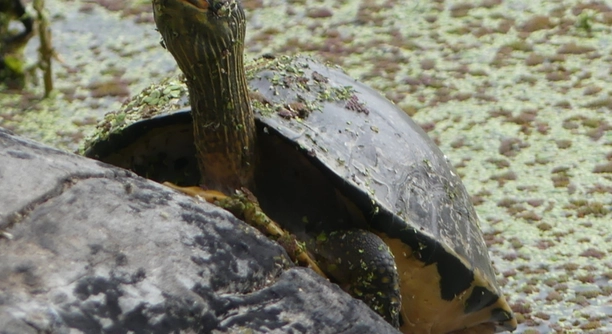
Creating a natural environment for your Indian Roofed Tortoise is essential for its well-being. Providing a habitat that mimics its natural surroundings helps promote healthy behavior and ensures a happier, more comfortable life for your pet.
One way to make your tortoise’s tank more natural is by adding proper substrates, like coconut coir or sphagnum moss. These materials provide a more suitable surface for digging and burrowing, closely resembling the tortoise’s natural environment.
With these simple adjustments, your tortoise can enjoy a more enriching, comfortable space. Keep reading to learn about the best ways to enhance its habitat.
Add Natural Plants for Hiding and Climbing
Including plants in your tortoise’s habitat will make it feel more like its natural environment. Plants provide places for hiding, climbing, and grazing, which is essential for tortoises’ mental and physical well-being. Make sure to choose tortoise-safe plants like dandelions, clover, or hibiscus.
Some plants, like dandelions and clover, are not only safe but also provide additional benefits as a food source. Adding these plants can also create an enriching environment that mimics the tortoise’s natural habitat, encouraging foraging behaviors.
Consider placing plants near rocks or hiding spots so your tortoise has places to explore. These plants will also help with humidity levels and add a touch of greenery to the tank. This natural setup improves the overall health of your pet by offering enrichment opportunities and creating a habitat that is both functional and aesthetically pleasing.
Use Natural Rocks for Hiding Spots and Climbing
Rocks are an essential part of a natural habitat. They provide shelter, hiding places, and climbing opportunities, all of which are important for your tortoise’s well-being. These features help mimic the terrain your tortoise would encounter in the wild.
Rocks also play a key role in regulating temperature and humidity, which are vital for a tortoise’s health. They absorb heat during the day and release it at night, helping maintain a comfortable environment. Keep the rocks well-placed so your tortoise can climb or hide as needed.
Make sure to choose smooth, non-sharp rocks that won’t harm your tortoise. It’s also important to ensure that rocks are securely placed, preventing them from shifting or causing injury. A well-placed rock can provide a perfect spot for your tortoise to rest, hide, or explore, making it feel more at home in its habitat.
Create a Humid Hide Area
A humid hide helps your tortoise maintain proper hydration and gives it a space to retreat when it needs a break from the rest of the tank. You can create a simple humid hide by placing a small container with damp moss or a wet towel.
Position the hide in a quiet corner of the tank, away from the basking area. Tortoises will use this space when they need to cool down or seek refuge. The humidity also supports their skin and respiratory health, making it an essential feature of their habitat.
By maintaining the right humidity levels in the hide, you create an area that feels natural and comforting to your tortoise. Keep the moss or towel damp, but not soaking wet, to avoid mold growth. Regularly check the humidity to ensure the hide is doing its job properly, helping your tortoise stay hydrated and healthy.
Provide a Shallow Water Dish
Water is crucial for hydration, and a shallow water dish ensures your tortoise can drink and soak safely. Make sure the dish is shallow enough for your tortoise to easily access without risk of drowning.
A shallow dish will also provide your tortoise with the opportunity to soak in water, which is important for digestion and skin health. Ensure the water is clean and refreshed daily to maintain hygiene.
Choose a dish that is stable and easy for your tortoise to get in and out of. It should be wide enough to allow for soaking but shallow enough for comfort. This small addition can significantly improve your tortoise’s well-being, providing both hydration and a place to cool off.
Add a Basking Area
A basking area is essential for your tortoise’s health. It allows them to absorb heat and maintain proper body temperature. You can create this area by placing a heat lamp in one corner of the tank, where your tortoise can bask.
Make sure the basking area has a temperature range between 85°F and 95°F to allow your tortoise to regulate its body heat. Use a thermometer to monitor the temperature. The basking area should also include a smooth surface where your tortoise can comfortably lie down and warm up.
Include a Burrowing Space
Tortoises naturally dig and burrow in the wild. Providing a burrowing space in their tank allows them to express these behaviors. You can create a small burrow using soil or coconut coir to mimic their natural environment.
Ensure that the space is deep enough for them to burrow and hide comfortably. This space should be cool, dark, and away from the basking area to give your tortoise a retreat when it needs rest. Adding this feature will help reduce stress and encourage natural behavior.
Offer a Variety of Foods
Offering a variety of foods mimics the diverse diet tortoises would have in the wild. Include leafy greens, grasses, and flowers in their diet, and make sure to provide calcium-rich foods for shell health. Avoid feeding them too much fruit, as it can lead to digestive issues.
Fresh foods should be placed in a shallow dish or scattered around the tank to encourage foraging. This will also provide mental stimulation. Make sure to remove any uneaten food to keep the tank clean and prevent odors.
FAQ
How often should I clean my tortoise’s tank?
It’s essential to clean your tortoise’s tank regularly to maintain a healthy environment. Spot clean daily by removing any uneaten food and waste. A full tank cleaning should be done once every two to four weeks. This involves removing all the substrate, scrubbing the walls, and replacing the substrate with fresh material. The water dish should be cleaned daily, and any surfaces that come into contact with waste should be disinfected.
What type of lighting do I need for my tortoise?
Tortoises need both UVB lighting and a heat source. UVB lighting is important because it helps them metabolize calcium, preventing shell deformities and other health issues. A 10-12 hour light cycle should be maintained, simulating day and night. Place the UVB bulb over the basking area to allow your tortoise to absorb UV rays while soaking up heat. The heat lamp should be placed at one end of the tank to create a warm basking spot. Ensure the basking temperature is around 85°F to 95°F.
Can I use sand in my tortoise’s tank?
While sand can be used, it’s important to be cautious. Many tortoises ingest sand, which can lead to impaction, a serious condition. If you choose to use sand, mix it with other substrates like coconut coir or organic soil to make it safer. Another option is to use sand in small areas where your tortoise is less likely to ingest it, providing more of a natural appearance without the risks. Always monitor your tortoise’s behavior to ensure it isn’t eating the sand.
What should I feed my tortoise?
A varied diet is crucial for your tortoise’s health. Focus on high-fiber, calcium-rich foods like leafy greens (e.g., collard greens, dandelion greens, mustard greens), grasses, and some flowers (e.g., hibiscus). Avoid feeding fruit too often, as it can upset their digestion. It’s also important to offer a calcium supplement to support healthy shell growth. Always research the specific dietary needs of your tortoise’s species to ensure you’re meeting its nutritional requirements.
Do I need to add a humidity source in my tortoise’s tank?
Yes, depending on the species of tortoise, maintaining proper humidity levels is important for their health. For example, tropical species like the Indian Star Tortoise require a more humid environment, while desert species may require less. A shallow water dish, a humid hide, or a misting system can help regulate the humidity. Ensure the humidity stays between 50% and 70%, but avoid making the tank too damp, as this can lead to mold growth or respiratory issues.
How big should my tortoise’s tank be?
The tank size will depend on the size and species of your tortoise. As a general rule, a tortoise should have at least 10 square feet of space for every adult. Larger species may require even more space, with some needing 100 square feet or more. A larger tank mimics a more natural environment and encourages your tortoise to move around, exercise, and explore. Always provide enough space for your tortoise to have separate areas for basking, eating, hiding, and burrowing.
Can I handle my tortoise?
Yes, but you should handle your tortoise gently and sparingly. Tortoises are not as social as some other pets, and too much handling can cause them stress. When you do handle them, always support their body properly. Place your hand under the shell and avoid lifting them by their legs or tail. Be mindful of their stress levels and avoid excessive handling to ensure they remain comfortable in their environment.
What is the best substrate for my tortoise’s tank?
The best substrate depends on your tortoise’s species and natural habitat. Coconut coir, organic soil, and sphagnum moss are all good options. These substrates mimic the tortoise’s natural environment and allow for burrowing and digging. Avoid using pine or cedar wood shavings, as the oils can be harmful to tortoises. The substrate should be kept dry and changed regularly to prevent mold and bacteria buildup.
How do I prevent my tortoise from escaping its tank?
Tortoises are skilled at finding ways to escape. To prevent this, ensure the tank is fully enclosed with a secure lid or high sides. If you’re using a wooden or mesh enclosure, check that there are no gaps or weak spots that your tortoise can squeeze through. Additionally, consider adding heavy objects or rocks around the tank to make climbing more difficult. Keeping the environment engaging and enriched will also help reduce the chances of escape attempts.
Why is my tortoise not eating?
There are several reasons why a tortoise might stop eating. Stress, improper temperature or lighting, illness, or an unappealing environment could be the cause. Ensure your tortoise has the correct temperatures in its tank and that the lighting is adequate. If you suspect your tortoise is ill, it’s important to consult a veterinarian who specializes in reptiles. Make sure the food provided is fresh, and consider offering different types of vegetables and grasses to entice your tortoise to eat.
How do I know if my tortoise is healthy?
A healthy tortoise will be active and alert, with clear eyes and no signs of swelling or abnormal growths on its shell. The shell should be smooth, hard, and free from cracks or lesions. Regularly check for signs of respiratory distress, such as wheezing, nasal discharge, or labored breathing. A healthy tortoise will also have a firm, solid stool. Keep an eye on its behavior and appetite—if anything seems off, it’s best to consult a reptile vet for a check-up.
Final Thoughts
Creating a more natural habitat for your Indian Roofed Tortoise is a rewarding process that benefits both you and your pet. It’s not just about making the tank look aesthetically pleasing; it’s about ensuring your tortoise feels comfortable, secure, and able to express natural behaviors. With the right combination of substrate, lighting, temperature, and enrichment, you can mimic the natural environment that these tortoises thrive in. This not only supports their health but also makes them more active and curious, which is vital for their overall well-being.
It’s important to remember that each tortoise is unique, and their needs may vary based on their size, age, and species. While creating a more natural habitat takes some time and effort, it doesn’t need to be complicated. With a few simple changes, such as adding hiding spots, varying the substrate, and using the right lighting, you’ll help your tortoise live a more enriched life. Even small adjustments can make a big difference in the quality of their environment and contribute to their happiness and longevity.
Ultimately, creating a suitable, natural habitat for your tortoise is an ongoing process of observation and adjustment. As you get to know your tortoise better, you’ll be able to refine its tank setup. The goal is to make sure that your tortoise feels safe, stimulated, and comfortable in its space. By giving your tortoise the proper care and attention it needs, you’ll ensure it thrives in a tank that feels as close to nature as possible.

Hello,
If you enjoy the content that we create, please consider saying a "Thank You!" by leaving a tip.
Every little bit helps us continue crafting quality advice that supports the health, happiness, and well-being of pets around the world, for pets of all shapes, sizes, and species.
We really appreciate the kindness and support that you show us!