
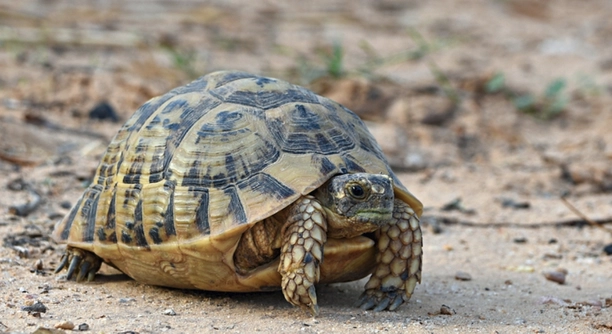
Russian tortoises are gentle creatures, but they need certain things to feel safe and secure in their environment. Creating a safe space for them is key to their well-being. Understanding their needs will help you take the best care of them.
The best ways to make a Russian tortoise feel safe include providing a calm environment, maintaining proper temperatures, ensuring a secure habitat, offering hideaways, and keeping their routine consistent. These factors contribute to their overall comfort and reduce stress.
Making your Russian tortoise’s home safe and comfortable can improve their quality of life. Let’s explore practical ways to meet their needs and help them feel secure.
Provide a Calm and Quiet Environment
Russian tortoises thrive in environments that are quiet and peaceful. They can get stressed easily, especially with sudden loud noises or movements. Make sure their living space is away from loud areas like televisions or busy parts of the house. The less noise and disruption, the better.
Reducing loud sounds in the area will help your tortoise feel less stressed. It’s important to place their habitat in a calm corner where they can feel secure and at ease.
A consistent, calm environment helps your tortoise adjust and reduces anxiety. Keep their space free from sudden changes. They are creatures of habit and prefer predictable surroundings. If there are other pets in the house, keep them away from the tortoise to avoid stress. Also, avoid handling them too often as this can cause unnecessary stress. Creating a peaceful, stable space will ensure they feel more comfortable and safe in their home.
Keep the Habitat Secure
Your Russian tortoise needs a secure habitat to feel safe. They may try to escape if they feel threatened or insecure. Make sure their enclosure has no gaps or openings that they could squeeze through.
Ensure the walls are tall enough and there are no spaces where they can escape. This will help them feel safe and contained.
A secure habitat is essential for a tortoise’s sense of safety. If they feel like they could escape or are vulnerable, it can cause anxiety. Using a sturdy enclosure with high, smooth walls will give them the peace they need. The floor should also be lined with safe materials like coconut coir or bedding designed for reptiles. Regularly inspect the enclosure for any weak spots or potential hazards. A secure home is the foundation of a stress-free environment.
Provide Hiding Spaces
Hiding spaces are crucial for making a Russian tortoise feel safe. These spaces allow them to retreat when they feel threatened or need a break from their environment.
Adding a small cave or a hideaway box in their habitat helps them feel secure. Tortoises enjoy having a spot where they can rest undisturbed, which reduces stress. You can even use logs or plants to create natural hiding spots that mimic their wild environment.
When a tortoise feels that it can hide and escape when needed, it will likely feel more relaxed. Having a place to retreat helps them manage stress, especially during times of handling or loud noises. A few hiding spaces scattered around their enclosure will give them the choice of a secure spot at any time. You can also rotate the hiding spots occasionally to keep them feeling safe and comfortable in different areas.
Maintain Proper Temperature
Proper temperature is key to your tortoise’s safety and comfort. Russian tortoises need a warm environment, but they should have areas to cool down too.
Ensure there’s a temperature gradient in the enclosure. One side should be warm (around 85-90°F), while the other should be cooler (70-75°F). This gives the tortoise the ability to regulate its body temperature as needed.
Proper temperature control is critical to your tortoise’s well-being. If their enclosure is too cold, it can lead to health problems. A heat lamp or ceramic heat emitter can help maintain the warmth they need. Make sure the warm side is not too hot, as overheating can be just as harmful. Keep a thermometer in the enclosure to monitor the temperature. Consistent temperatures will prevent stress and ensure your tortoise stays healthy.
Offer a Balanced Diet
A balanced diet is essential for keeping your Russian tortoise healthy and feeling secure. They need a mix of leafy greens, vegetables, and occasional fruit.
Make sure you offer a variety of fresh foods to ensure they get the right nutrients. Avoid giving them high-fat or high-protein foods that can cause health issues.
A consistent diet helps your tortoise feel more comfortable and less stressed. The right foods can also support their immune system, keeping them strong and healthy. Offer them fresh greens daily, like dandelion leaves, kale, and collard greens. Additionally, make sure they always have access to fresh water.
Avoid Overhandling
Excessive handling can make your Russian tortoise feel stressed and unsafe. They prefer to stay in their space without constant disruption.
When you handle your tortoise, keep it to a minimum and always handle them gently. Too much handling can cause anxiety and disrupt their routine.
Allow your tortoise time to adjust to its environment without constant handling. It’s best to let them explore their habitat on their own. If you need to handle them, ensure you do so gently and with care. Keeping handling sessions short will prevent them from feeling overwhelmed.
FAQ
How can I tell if my Russian tortoise feels stressed?
Signs of stress in a Russian tortoise can include excessive hiding, decreased activity, loss of appetite, or trying to escape. If they are constantly retreating to their hiding spots, not eating, or moving less, it’s a sign that something is off in their environment. Additionally, any signs of aggression or unusual behavior should be monitored closely. Check their habitat for stress factors like temperature, lighting, or noise levels, and make sure they are being handled gently and infrequently.
What kind of lighting do Russian tortoises need?
Russian tortoises need both UVB light and heat to thrive. A UVB light is important for them to properly absorb calcium and maintain strong bones. You should use a special reptile UVB bulb that provides the right spectrum for about 10-12 hours per day. For heat, a basking light should create a warm spot (85-90°F), allowing them to regulate their temperature. It’s crucial to provide both to mimic the natural sunlight they would receive in the wild.
Can Russian tortoises live together?
Russian tortoises are generally solitary creatures and prefer their own space. While they can be housed together, it often leads to stress, territorial disputes, and fights. If you do choose to keep multiple tortoises together, ensure that their enclosure is large enough to offer separate areas and hiding spaces for each. Watch closely for signs of aggression, as they may fight over food, space, or territory.
How often should I clean my Russian tortoise’s habitat?
You should spot-clean your Russian tortoise’s habitat daily, removing waste, uneaten food, and dirty bedding. A full cleaning of the entire enclosure should be done every 2-4 weeks, depending on the size of the habitat. Be sure to replace the bedding with fresh materials and sanitize all surfaces to prevent bacteria buildup. Make sure the temperature and humidity levels are checked after cleaning to ensure everything remains stable for your tortoise’s comfort.
What temperature should the enclosure be?
The temperature of the enclosure is crucial for your Russian tortoise’s health. The basking area should be between 85-90°F, and the cooler side of the habitat should be around 70-75°F. The temperature gradient helps them regulate their body heat naturally. Avoid making the enclosure too hot or too cold, as it can cause stress or health problems. Use thermometers to monitor both areas, and if necessary, use heat lamps or ceramic heat emitters to maintain the correct temperatures.
Can I feed my Russian tortoise fruits every day?
Fruits should be given sparingly to your Russian tortoise. While they enjoy fruits like strawberries, apples, and melons, these should only be offered occasionally due to their high sugar content. Overfeeding fruits can lead to obesity or digestive issues. Stick to mainly leafy greens and vegetables as their regular diet. Offering fruits once or twice a week as a treat is a good way to keep things varied without overdoing it.
How much space does a Russian tortoise need?
A Russian tortoise requires a spacious enclosure to feel safe and comfortable. The minimum recommended size for one tortoise is a 4×8-foot enclosure. The more space you provide, the better, as this will allow your tortoise to roam and explore. If kept indoors, you can also let them out to roam in a safe, tortoise-proofed area for exercise. Just ensure they have enough space to retreat to their hiding spots when needed.
Is it safe to handle my Russian tortoise?
It is generally safe to handle your Russian tortoise, but it should be done gently and infrequently. Overhandling can cause them stress, so try to keep it minimal. When you do handle them, support their body evenly and avoid grabbing them by their shell. Always approach them calmly and slowly to avoid startling them. If they seem stressed, it’s best to give them some time alone to relax.
What kind of bedding is best for a Russian tortoise?
For bedding, it’s important to choose materials that are safe and easy to clean. Good options include coconut coir, reptile-safe soil, or aspen shavings. Avoid using pine or cedar, as these can release harmful oils. The bedding should be deep enough to allow them to dig and burrow, which is a natural behavior for tortoises. Keep the bedding clean and dry, as damp bedding can cause mold growth or health problems.
Do Russian tortoises need humidity?
While Russian tortoises don’t require high humidity like some other reptiles, they do need a slight humidity level to keep their skin and respiratory systems healthy. Humidity in the enclosure should be around 40-60%. You can achieve this by lightly misting the habitat or including a humid hide. If the environment is too dry, it can cause shell problems or difficulty shedding. Keep an eye on the humidity levels, especially in colder, drier climates.
What should I do if my Russian tortoise isn’t eating?
If your Russian tortoise isn’t eating, it may be a sign of stress or health issues. Start by checking the temperature, lighting, and humidity in their enclosure, as these are common causes of loss of appetite. Stress from handling, loud noises, or sudden changes can also affect their eating habits. If the issue persists for more than a few days, or if they are showing other signs of illness, it’s best to consult with a veterinarian to rule out any health problems.
Final Thoughts
Creating a safe and comfortable environment for your Russian tortoise is key to their well-being. By providing the right habitat, including a calm environment, proper temperature, and secure space, you can help reduce their stress and make them feel more at ease. Russian tortoises are relatively low-maintenance pets, but they do require a few important considerations to thrive. If you focus on meeting their basic needs, they will feel safe, healthy, and happy in their home.
Diet and handling are also important factors in making your tortoise feel secure. Offering a balanced diet, with a variety of fresh greens and occasional fruits, will ensure your tortoise stays healthy. Overhandling or too much disruption can cause unnecessary stress, so it’s essential to respect their space and let them explore at their own pace. A tortoise that feels safe in its environment is more likely to stay active, healthy, and comfortable.
In the end, creating a safe and enjoyable environment for your Russian tortoise doesn’t have to be complicated. With just a few key factors like the right habitat, a balanced diet, and proper care, you can help your tortoise live a long, happy life. Keep in mind their needs for a calm and secure space, and always be mindful of how they respond to their surroundings. When you take care of these aspects, your tortoise will not only feel safe but will also thrive in your care.

Hello,
If you enjoy the content that we create, please consider saying a "Thank You!" by leaving a tip.
Every little bit helps us continue crafting quality advice that supports the health, happiness, and well-being of pets around the world, for pets of all shapes, sizes, and species.
We really appreciate the kindness and support that you show us!