
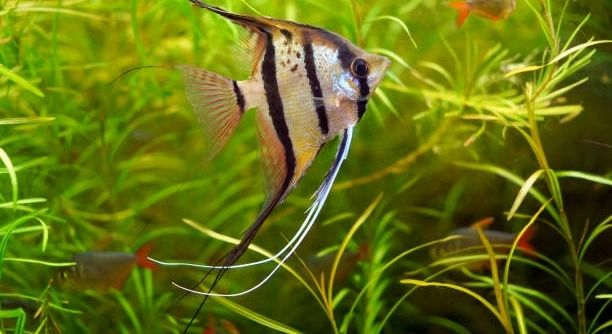
Maintaining water stability is crucial for the health of angelfish in your aquarium. Water quality directly impacts their well-being, affecting everything from their behavior to their lifespan. Keeping your tank stable helps prevent unnecessary stress.
Maintaining water stability for angelfish involves monitoring parameters like temperature, pH, and ammonia levels. Consistent water changes, proper filtration, and careful stocking all play a role in creating a stable environment for your fish.
Knowing the best practices for maintaining water stability can make a big difference in your angelfish’s health. We’ll cover the essential steps to keep your aquarium water just right for these beautiful fish.
Temperature Control
Keeping the temperature stable in your aquarium is one of the most important factors for angelfish health. They thrive in a water temperature between 76°F and 80°F (24°C to 27°C). Fluctuations can cause stress, weakening their immune system and making them more susceptible to disease. Use an aquarium heater to maintain a constant temperature and place a thermometer in the tank to check regularly.
A temperature drop or sudden rise can be harmful to your angelfish, so investing in a reliable heater with an automatic shut-off function is highly recommended.
Inconsistent temperatures lead to unhealthy fish, and over time, it can cause a host of problems. A stable environment is essential for their growth and overall well-being. It’s important to position the heater properly so the heat circulates evenly throughout the tank. Keep the tank in a location where the temperature doesn’t fluctuate dramatically, such as away from direct sunlight or drafts. Regular checks will help ensure your fish stay comfortable and safe, avoiding stress and health complications.
Water pH Level
Keeping the pH level of your tank water stable is crucial for angelfish. They prefer slightly acidic to neutral water, with a pH range of 6.8 to 7.8.
Rapid changes in pH can harm angelfish, causing stress and even death. Regularly test the water with a pH test kit to ensure levels remain consistent. Adding pH buffers can help prevent fluctuations.
Regular Water Changes
Performing regular water changes is essential for maintaining water stability. Aim for changing 10-20% of the water each week to keep ammonia and nitrate levels in check. Regular water changes help prevent harmful toxins from building up and ensure a healthier environment for your angelfish.
Stale water can cause serious issues, such as poor oxygen levels and increased waste. By removing some of the water, you dilute these toxins and keep the tank cleaner. Make sure to treat new water with a conditioner to remove chlorine and other harmful substances before adding it to the tank.
While it may seem like a simple task, water changes are vital for angelfish health. Skipping this step or not doing it frequently enough can lead to high levels of harmful substances, such as ammonia and nitrates, which weaken the fish and their immune systems. Keeping the tank clean allows your angelfish to thrive, so it’s essential not to overlook this routine.
Proper Filtration
Good filtration is a key factor in maintaining water stability. A quality filter will remove debris and waste, keeping the water clean and clear. Choose a filter that matches the size of your tank and the needs of your fish.
The right filter helps maintain the balance of beneficial bacteria in your aquarium, which in turn breaks down harmful substances. Be sure to clean the filter regularly to avoid clogging and ensure proper water flow. If the filter is too strong or too weak, it can negatively affect the stability of your tank, so finding a balance is essential.
Ammonia and Nitrate Levels
Ammonia and nitrate levels should be regularly monitored to ensure water stability. Both can be harmful to angelfish, leading to stress or disease. Keep ammonia levels at 0 ppm and nitrates below 20 ppm to ensure a healthy environment.
Test your tank water regularly using an aquarium testing kit. If ammonia or nitrate levels rise, perform a water change to bring them back down. Proper filtration and regular maintenance also help control these levels, preventing any sudden spikes that could harm your fish. A steady water quality is key to long-term angelfish health.
Tank Stocking
Stock your aquarium carefully to avoid overcrowding. Too many fish can lead to an overload of waste, which can affect water quality. Make sure your tank size is appropriate for the number of fish you keep.
Proper stocking prevents the build-up of excess ammonia and nitrates. It’s important to provide enough space for each angelfish to thrive and swim comfortably. Overcrowding not only stresses your fish but also puts a strain on your filtration system, making it harder to maintain stable water conditions.
FAQ
How often should I check water parameters for my angelfish tank?
You should check the water parameters at least once a week to ensure they are within the ideal ranges. This includes checking the temperature, pH, ammonia, nitrate, and nitrite levels. Consistency is key to keeping your angelfish healthy. If you notice any issues, you may need to test more frequently until the problem is resolved.
What is the best way to maintain a stable temperature in an angelfish tank?
A reliable aquarium heater is the best way to maintain a stable temperature. Set it to keep the water between 76°F and 80°F. It’s also a good idea to have a thermometer in the tank to monitor the temperature regularly. Keep the tank away from drafts or direct sunlight to avoid sudden changes in temperature.
What are the signs that my angelfish are stressed due to poor water quality?
Signs of stress in angelfish due to poor water quality include rapid breathing, abnormal swimming behavior, loss of appetite, and faded colors. If you notice these symptoms, test the water immediately and perform a water change if necessary. High ammonia or nitrate levels often contribute to stress in fish.
How can I lower the nitrate levels in my angelfish tank?
To lower nitrate levels, perform regular water changes. Aim for 10-20% changes weekly, depending on the size of your tank and the number of fish. You can also use live plants to absorb excess nitrates or invest in a nitrate filter. Keeping your tank lightly stocked also helps prevent high nitrate levels.
Why is my angelfish tank water cloudy, and how do I fix it?
Cloudy water is often caused by an excess of waste, uneaten food, or an overgrowth of bacteria. To fix this, clean the tank, perform a water change, and remove any uneaten food. If the cloudiness is due to bacteria, improve filtration and consider using a bacterial cleaner to help clear the water. Make sure to regularly check your filtration system to ensure it’s working properly.
Is it safe to use tap water for my angelfish tank?
Tap water is generally safe, but it needs to be treated before being added to the tank. Chlorine and chloramine, often found in tap water, can harm your fish. Use a water conditioner to remove these chemicals before adding new water to the tank. Additionally, check the pH, hardness, and other parameters of your tap water to ensure they match the needs of your angelfish.
How do I prevent algae growth in my angelfish tank?
To prevent algae growth, reduce the amount of light your tank receives and remove any excess nutrients. Avoid leaving the tank lights on for too long each day, and make sure to clean any algae from tank walls regularly. You can also add algae-eating fish or snails to help control growth. Keep your tank properly filtered and avoid overfeeding to prevent an excess of nutrients that algae feed on.
What type of filtration system is best for an angelfish tank?
A filter that provides both mechanical and biological filtration is best for an angelfish tank. Look for a filter that can handle the volume of your tank and provides gentle water flow, as angelfish prefer calm waters. Canister filters, hang-on-back filters, or sponge filters are all good options, depending on your tank size.
Can I keep angelfish with other species in the same tank?
Yes, angelfish can be kept with other species, but it’s important to choose compatible tank mates. Avoid small fish that may be seen as food, and choose species that prefer similar water conditions. Fish like tetras, corydoras, and other peaceful species work well with angelfish. However, be cautious with more aggressive or territorial species.
What should I do if my angelfish is showing signs of illness?
If your angelfish shows signs of illness, such as clamped fins, lesions, or abnormal swimming, first test the water parameters. Poor water quality is often the underlying cause of health issues. If the water is fine, research the symptoms to identify the illness, and consider treating with appropriate medication. Quarantine the affected fish if possible to prevent the spread of disease.
How can I improve the oxygen levels in my angelfish tank?
To improve oxygen levels, make sure your filtration system provides adequate surface agitation, which helps oxygen exchange. You can also add an air pump with an air stone to increase aeration. Ensure that your tank isn’t overcrowded, as too many fish can reduce oxygen levels. Regular water changes also help maintain good oxygen levels by refreshing the water.
Final Thoughts
Maintaining water stability is crucial for the health of your angelfish. By focusing on key factors such as water temperature, pH, ammonia, and nitrate levels, you can create an environment where your fish can thrive. Consistency is essential; any significant changes to the water parameters can lead to stress and potential health issues for your angelfish. Regular water testing, proper filtration, and consistent water changes are the foundation of a stable tank environment. These efforts will not only help your fish live longer but will also reduce the chances of diseases and stress-related problems.
In addition to monitoring water quality, tank stocking and maintenance are equally important. Overcrowding your tank can lead to waste build-up, which negatively affects the water’s quality. It’s also important to clean your filter regularly to ensure it’s functioning properly. A clean tank with good filtration will help maintain stable water parameters and prevent harmful toxins from accumulating. By choosing appropriate tank mates for your angelfish and avoiding excessive feeding, you can further support water stability and ensure your fish remain in a healthy, comfortable environment.
Ultimately, creating and maintaining a stable environment for your angelfish requires regular attention and care. Simple practices like monitoring water parameters, performing routine water changes, and keeping the tank clean can make all the difference in the health of your fish. It may seem like a lot of work at first, but once you get into a routine, it becomes easier to manage. A stable tank not only supports the well-being of your angelfish but also creates a more enjoyable and peaceful aquarium for you to appreciate.

Hello,
If you enjoy the content that we create, please consider saying a "Thank You!" by leaving a tip.
Every little bit helps us continue crafting quality advice that supports the health, happiness, and well-being of pets around the world, for pets of all shapes, sizes, and species.
We really appreciate the kindness and support that you show us!