
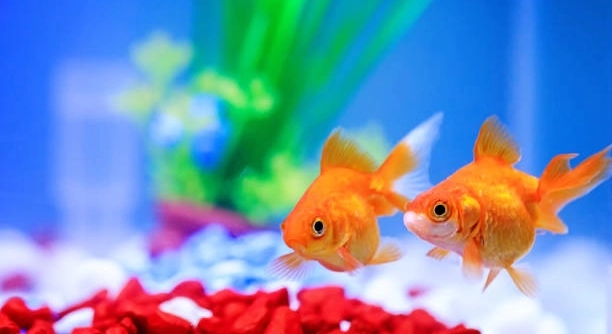
Maintaining a healthy goldfish tank is essential for their well-being and long life. With a little effort and attention, you can ensure that your fish thrive in a clean, safe, and stress-free environment.
To maintain a healthy goldfish tank, regular water changes, proper filtration, correct temperature, and the right food are essential. Monitoring water quality, removing debris, and providing adequate space for your fish will also help prevent common health problems.
These tips are simple but vital to maintaining a healthy and happy goldfish tank. Keeping your tank clean and properly cared for ensures that your goldfish remain healthy for years to come.
Water Quality Is Key
Maintaining good water quality is one of the most important aspects of caring for your goldfish. Fish produce waste that can build up and degrade water conditions, so it’s essential to monitor it regularly. Ammonia, nitrates, and nitrites should be kept at safe levels. If the water becomes toxic, your goldfish can become stressed or sick. Using a good filtration system will help keep the water clean and remove harmful substances. Regular water changes, typically 25-30% every week, help maintain a healthy environment for your fish.
A water test kit is an invaluable tool for checking your tank’s water quality. It’s essential to keep track of ammonia, nitrites, and nitrates. High levels of these can cause illness in your goldfish and are a sign that the filtration system might need maintenance.
Proper water quality is not just about cleaning; it’s about creating a stable environment for your goldfish. By consistently checking and adjusting water conditions, you can prevent a lot of health issues before they start.
Proper Filtration System
A quality filtration system is vital for goldfish health. Goldfish are messy fish, producing a lot of waste. A strong filter helps maintain a clean and healthy environment by removing debris, uneaten food, and waste products. Without a good filter, the tank water can become polluted quickly.
Choose a filter with enough capacity to handle your tank’s size. Goldfish require ample filtration because they create more waste than smaller fish. The filter should provide both mechanical and biological filtration. Mechanical filtration removes particles from the water, while biological filtration breaks down harmful substances, keeping the water clean.
Regular maintenance of your filter is just as important. Clean the filter every couple of weeks to ensure it’s working efficiently. Over time, filters can get clogged or worn out, so check regularly to prevent problems. A properly maintained filtration system plays a significant role in keeping your goldfish tank healthy.
Tank Size Matters
Choosing the right tank size is crucial for your goldfish’s health. Goldfish need ample space to swim and grow. A tank that’s too small can lead to stress, poor water quality, and health problems. It’s recommended to have at least 20 gallons of water for the first goldfish and 10 additional gallons for each extra fish.
A larger tank will allow for better filtration, more stable water conditions, and more room for your goldfish to explore. Goldfish can grow large and need enough space to swim comfortably. Crowding them in a small tank can lead to stunted growth and stress.
To avoid overcrowding, make sure your tank is appropriately sized for the number of fish you have. Goldfish are also very active swimmers, and they need a spacious environment. A well-sized tank helps them stay healthy and happy.
Temperature Control
Goldfish thrive in stable water temperatures. A fluctuating temperature can weaken their immune system, making them more susceptible to diseases. The ideal water temperature for goldfish is between 65-75°F. Keeping the tank at a steady temperature ensures that your goldfish stay comfortable and healthy.
Investing in a good aquarium heater or cooler is essential, especially if you live in an area with extreme seasonal changes. Rapid temperature fluctuations can stress your fish and lead to illness. Make sure the heater is placed in an area of the tank that allows for even heat distribution.
Monitoring the temperature regularly with an aquarium thermometer is essential. Keeping it within the recommended range will promote healthy growth and longevity in your goldfish. Stable temperatures also support the filtration system and overall tank environment. Proper temperature management helps your goldfish thrive in their home.
Feeding the Right Amount
Overfeeding your goldfish can lead to poor water quality and health issues. It’s important to feed them the right amount, as uneaten food can decay and pollute the water. Goldfish should only be fed as much as they can eat in 2-3 minutes.
Once you’ve determined the right portion, avoid feeding them too frequently. Stick to feeding your goldfish two to three times a day. This ensures they get enough nutrients without overwhelming the tank’s filtration system. By controlling their food intake, you can help maintain water quality and support their overall health.
Goldfish can be sensitive to the types of food they eat. A balanced diet of high-quality flakes or pellets will provide the right nutrients. Occasional treats like vegetables can also be offered, but make sure to remove any leftover food after feeding.
Cleaning the Tank
Regular tank cleaning is vital to keeping a healthy environment. Perform water changes, remove any debris, and scrub algae off the tank walls. This will help ensure that your goldfish are living in a clean, safe space.
Cleaning should be done every one to two weeks, depending on the size of your tank. Be sure to vacuum the gravel to remove any leftover food or waste. Regular cleaning helps maintain the balance in the tank and keeps harmful substances in check, ensuring a healthier environment for your fish.
Tank Decorations
Avoid overcrowding the tank with decorations that can restrict your goldfish’s movement. They need space to swim freely. Ensure decorations are smooth and without sharp edges to prevent injury.
Use natural-looking items, like plants and rocks, to create hiding spots for your goldfish. These features provide enrichment, which is important for their mental health. Avoid plastic decorations that could tear your fish’s fins. Keep the tank’s design simple and functional to create a comfortable space.
FAQ
How often should I change the water in my goldfish tank?
Water changes are essential for maintaining a healthy tank. It’s recommended to change 25-30% of the water every week. This helps remove waste and replenish essential minerals. Over time, waste and uneaten food can build up, affecting the water quality. Regular changes help prevent issues such as ammonia spikes or algae overgrowth.
Can I keep more than one goldfish in the same tank?
Yes, you can keep multiple goldfish in the same tank, but it’s important to consider the size of the tank. Each goldfish needs enough space to swim freely. A 20-gallon tank is a good starting point for one fish, with 10 extra gallons for each additional goldfish. Overcrowding can lead to poor water quality and stress, so ensure your tank is large enough.
Why is my goldfish swimming at the top of the tank?
If your goldfish is swimming near the surface, it could be looking for oxygen, or it could be a sign of water quality issues. Poor water quality, low oxygen levels, or even stress could cause this behavior. Make sure your filter is working properly, and check your water parameters to ensure they’re within the safe range.
How do I know if my goldfish is sick?
Common signs of illness include changes in behavior, such as swimming erratically or staying near the bottom of the tank. Other symptoms include fading colors, visible lesions, or difficulty breathing. If you notice these signs, check the water quality first and ensure that all conditions are optimal. If the issue persists, consult a veterinarian or aquarium expert for further advice.
What temperature should my goldfish tank be?
Goldfish thrive in water temperatures between 65-75°F (18-24°C). Consistency is important, as temperature fluctuations can stress your fish. Use an aquarium heater if you live in a location with extreme temperatures. Be sure to monitor the temperature with a thermometer to keep it within the ideal range.
Can I add live plants to my goldfish tank?
Yes, live plants are a great addition to a goldfish tank. They provide natural filtration, improve water quality, and offer hiding spots for your fish. However, goldfish may nibble on plants, so choose hardy varieties that can withstand their feeding habits. Plants like Java fern, Anubias, or Amazon swords are good options.
How do I prevent algae in my goldfish tank?
Algae can grow quickly in a goldfish tank, especially if there is too much light or excess nutrients. To prevent algae growth, reduce the amount of time the tank lights are on, ideally to 8-10 hours a day. Regular cleaning and water changes are also important. Ensure your filter is working well, and avoid overfeeding your goldfish, as uneaten food can contribute to algae blooms.
Why is my goldfish turning pale?
If your goldfish is turning pale, it could be a sign of stress, poor water quality, or illness. Check the water parameters, especially ammonia and nitrate levels, as these can cause skin discoloration. Stress from overcrowding, poor diet, or environmental factors can also contribute to color fading.
What kind of food should I feed my goldfish?
A balanced diet is key to your goldfish’s health. High-quality goldfish pellets or flakes are a good base, but you can supplement their diet with occasional treats like blanched vegetables (peas, spinach) or bloodworms. Make sure to avoid overfeeding and remove any uneaten food after a few minutes to prevent water contamination.
Can I use tap water for my goldfish tank?
Tap water can be used for a goldfish tank, but it needs to be treated to remove chlorine or chloramine, which can harm your fish. Use a water conditioner specifically designed for aquarium use. Additionally, always check the water’s pH, hardness, and temperature to make sure it’s suitable for goldfish.
How do I deal with goldfish fin rot?
Fin rot is often caused by poor water quality or bacterial infection. To treat fin rot, first address the underlying cause by improving water conditions. You can also use medications designed for bacterial infections. Keep the water clean and maintain a stable environment to prevent further issues. If the condition doesn’t improve, seek advice from a vet.
Is a goldfish tank filtration system really necessary?
Yes, a filtration system is essential for keeping your goldfish tank clean and healthy. Goldfish produce a lot of waste, and a good filter helps remove debris, waste, and harmful chemicals from the water. A filter also promotes healthy water circulation and provides aeration, which is important for goldfish to breathe properly.
Why is my goldfish scratching against objects?
Scratching against objects may be a sign that your goldfish is suffering from external parasites like ich or velvet. This behavior can also indicate irritation from poor water quality or stress. Check the water quality and consider using medications if parasites are suspected. If the problem persists, consult an aquarium expert.
What size tank is best for a single goldfish?
A 20-gallon tank is a good minimum size for one goldfish. Goldfish need plenty of space to swim and grow. A larger tank provides better filtration, a more stable environment, and more room for your fish to explore. The more space you can provide, the healthier your goldfish will be.
Can goldfish live with other types of fish?
Goldfish can live with certain types of fish, but it’s important to choose species that are compatible. Avoid keeping them with small, fin-nipping fish or species that require significantly different water temperatures. Suitable tank mates include other goldfish or peaceful fish like snails and shrimp. Always ensure that the tank is large enough for all the inhabitants.
What causes goldfish to swim in circles?
Swimming in circles can be a sign of stress or illness. If your goldfish is swimming in circles, check for any changes in water conditions or possible parasites. Sometimes, this behavior can also be due to a lack of space or poor water quality. Ensure your goldfish has enough room to swim freely.
Final Thoughts
Maintaining a healthy goldfish tank involves regular care and attention to the fish’s environment. By ensuring proper water quality, feeding the right amount, and providing space for your goldfish to swim, you can create a comfortable and thriving habitat. Understanding the basics of filtration, temperature, and water changes is essential for keeping your fish happy and healthy. Consistency in tank maintenance will go a long way in preventing common problems like algae growth, fin rot, or poor water quality.
In addition to water care, it’s important to consider the type of food you provide your goldfish. A balanced diet of high-quality pellets, flakes, and occasional treats will support their growth and immune system. Remember not to overfeed, as uneaten food can lead to water contamination and harm your fish. Regular tank cleaning, including water changes and gravel vacuuming, will help ensure the health of your goldfish by removing any waste and debris from the tank.
Lastly, goldfish thrive in a peaceful, well-maintained environment. By keeping your tank clean, providing the right temperature, and avoiding overcrowding, you can create a long-lasting home for your goldfish. If issues do arise, prompt action can often prevent more serious problems from developing. With regular maintenance, proper care, and attention to detail, your goldfish will have a healthy, happy life.

Hello,
If you enjoy the content that we create, please consider saying a "Thank You!" by leaving a tip.
Every little bit helps us continue crafting quality advice that supports the health, happiness, and well-being of pets around the world, for pets of all shapes, sizes, and species.
We really appreciate the kindness and support that you show us!