
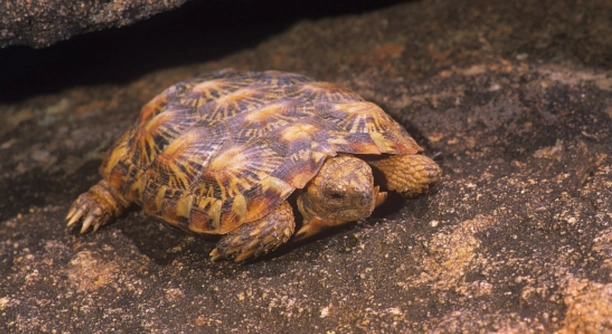
Tortoises are unique, low-maintenance pets, but their skin can easily become dry and irritated. Hydration is crucial for their well-being, and keeping their skin healthy is an important part of proper care.
To keep your tortoise’s skin hydrated, regular moisture is essential. Simple steps like providing a humid environment, misting their shell, and offering a shallow water dish can go a long way in maintaining healthy skin.
Knowing how to properly hydrate your tortoise’s skin can improve their overall health. This guide will help you understand the best methods for achieving that.
Creating a Moisture-Rich Environment
A key aspect of keeping your tortoise’s skin hydrated is maintaining the right environment. Tortoises thrive in humid conditions, so creating a moisture-rich environment is essential for their skin. If the humidity level is too low, their skin can dry out, leading to shedding problems or even cracks. To achieve the ideal humidity, consider placing a shallow water dish in their enclosure and misting their shell regularly. The humidity should range between 50-70%, and keeping the enclosure warm helps the humidity levels stay consistent.
Additionally, adding a humid hide or a moist substrate to their habitat can provide an extra layer of hydration. If you live in a dry climate, using a humidity gauge in the enclosure can help you monitor the levels closely. This simple adjustment can make a big difference for your tortoise’s skin health.
Monitoring the temperature in the enclosure will also help ensure that the humidity stays stable. Warmer areas will encourage your tortoise to stay hydrated while avoiding extreme temperature shifts that could affect their skin.
Offering a Shallow Water Dish
Water is vital for hydration. Providing your tortoise with a shallow water dish encourages them to soak. This can be an easy way for them to absorb moisture, which is crucial for healthy skin.
Soaking helps your tortoise stay hydrated and supports digestion. Always ensure the water is shallow enough for them to walk in, but not so deep that they risk drowning. Clean the dish regularly to maintain hygiene and avoid the growth of harmful bacteria. Adding this to their daily routine is a simple way to ensure their skin stays hydrated and their overall health improves.
Misting Your Tortoise’s Shell
Misting is a great way to add moisture to your tortoise’s skin. A light misting over their shell will help keep their skin from drying out. It’s especially helpful in drier climates where humidity levels are harder to maintain.
Spray a fine mist on your tortoise’s shell and the surrounding habitat to raise the humidity. Be careful not to overdo it, as excess water can cause other issues like mold. Misting should be done a few times a week, depending on the humidity in your area and the tortoise’s needs. This simple step can make a noticeable difference.
The water droplets on the shell can also mimic natural conditions where tortoises may experience rain or dew. This routine can improve hydration levels and prevent dry skin or cracking. Keep a consistent schedule to see the best results.
Proper Diet and Hydration
A healthy diet plays a crucial role in your tortoise’s hydration. Offering fresh, water-rich vegetables like cucumbers, leafy greens, and squashes can provide essential moisture. These foods contribute to hydration and help maintain healthy skin.
Tortoises, like many reptiles, also get some moisture from their food. Ensure that your tortoise’s diet includes plenty of vegetables that are high in water content. Offering a balanced diet will support your tortoise’s hydration needs. Some fruits, such as watermelon or strawberries, can be offered occasionally to keep things interesting.
Be mindful that the right balance is key, as overfeeding certain fruits can lead to digestive issues. Combine fresh vegetables with occasional fruit to keep your tortoise hydrated and healthy. This approach will help your pet stay in top shape.
Using a Humid Hide
A humid hide is a great way to provide extra moisture for your tortoise. These hides create a warm, moist environment where your tortoise can retreat when it needs more hydration.
Place a small, enclosed space in their habitat with moist substrate like sphagnum moss. This will help maintain consistent moisture levels. Your tortoise can use this hide whenever it needs extra hydration, especially during shedding periods. Keep the hide moist but not soggy, as excess water can lead to mold.
Shell Soaks
Giving your tortoise regular shell soaks is another excellent method to keep their skin hydrated. Fill a shallow container with lukewarm water and let them soak for about 15-20 minutes.
Shell soaks are especially helpful during dry seasons when humidity may be harder to maintain. They provide an opportunity for your tortoise to absorb moisture directly through its skin, which helps hydrate them from the outside in. Regular soaking can help prevent cracks, flaking, and dryness in their shell.
FAQ
How often should I mist my tortoise’s shell?
Misting your tortoise’s shell two to three times a week is usually sufficient, but this can vary based on the humidity of your environment. In drier climates, you may need to mist more frequently to keep the skin hydrated. Over-misting can cause problems like mold growth, so always aim for a light misting, just enough to raise the humidity level without soaking the shell.
Can I use tap water for misting?
Yes, tap water is generally fine for misting, but it’s best to use water that’s not too hard. Hard water can leave mineral deposits on the shell, which can cause skin irritation over time. If you notice any residue, you may want to use distilled or filtered water to mist.
Is it necessary to provide a humid hide for my tortoise?
A humid hide can be very beneficial, especially for species of tortoises that require higher humidity levels. It offers a space where your tortoise can retreat to when it needs extra moisture. Not every tortoise needs one, but it can be particularly helpful during shedding or if you live in a dry climate.
How do I know if my tortoise’s skin is too dry?
Signs of dry skin in a tortoise include flaking, cracking, and a rough texture. If the skin appears dull or the tortoise is shedding more than usual, these can also be signs that hydration levels aren’t sufficient. A dry shell can lead to long-term health issues, so addressing this as soon as you notice symptoms is important.
Should I soak my tortoise in water every day?
Daily soaking isn’t usually necessary for most tortoises, but it can be helpful during shedding or when the tortoise appears dehydrated. Regular soaking (two to three times a week) can help maintain hydration levels and support healthy skin. Always use lukewarm water, and keep the soak time around 15-20 minutes to avoid stress.
Can I give my tortoise a bath to hydrate its skin?
Bathing your tortoise is a good option to help hydrate its skin, but it’s not a substitute for maintaining proper humidity and hydration levels in their environment. Giving your tortoise a shallow bath with lukewarm water once a week can help keep their skin hydrated, especially if they’ve been in a dry environment.
What foods can I feed my tortoise to help with hydration?
Water-rich vegetables such as cucumbers, zucchinis, and leafy greens like lettuce and dandelion greens are excellent for hydration. Adding these foods to your tortoise’s diet can improve their skin condition and overall hydration levels. Avoid feeding fruits too often, as the high sugar content can upset their digestion.
Can dehydration lead to health problems for my tortoise?
Yes, dehydration can cause a variety of health problems for your tortoise, including digestive issues, lethargy, and poor skin health. If a tortoise becomes severely dehydrated, it may also experience difficulty shedding, which can cause the skin to crack or develop infections. Ensuring proper hydration helps your tortoise stay healthy and active.
How do I maintain humidity in a dry climate?
In a dry climate, you can increase humidity in your tortoise’s habitat by using a humidifier or regularly misting the enclosure. Adding a shallow water dish will also help. If necessary, you can place a humid hide or use moisture-retaining substrates like sphagnum moss to maintain humidity levels around 50-70%.
What is the best temperature for a tortoise’s skin health?
Tortoises need a temperature range of about 75-85°F (24-29°C) in their enclosure for optimal health. Too low a temperature can affect their metabolism and reduce hydration, while too high a temperature can cause dehydration. Make sure there are both warmer and cooler areas in their habitat, allowing them to regulate their body temperature.
Final Thoughts
Keeping your tortoise’s skin hydrated is an important part of their overall health and well-being. Proper hydration not only helps to prevent dry, cracked skin but also supports the tortoise’s immune system and overall vitality. By maintaining an environment with the right humidity levels, offering a shallow water dish, and incorporating water-rich foods into their diet, you can help keep your tortoise comfortable and healthy. It’s important to regularly monitor their habitat to make sure the conditions are ideal and adjust as needed. This will ensure that your tortoise remains hydrated and happy for years to come.
In addition to the physical environment, hydration methods like misting and soaking are simple yet effective ways to help your tortoise stay hydrated. Misting their shell and providing them with a shallow water dish encourages them to absorb moisture directly through their skin. This is especially helpful for tortoises living in areas where the air may be drier or for species that naturally require higher humidity levels. Regular soaking also provides an opportunity for hydration, especially during shedding seasons when the skin can become drier and more sensitive. These easy-to-follow practices can be integrated into your routine without much hassle, yet they can have a significant impact on your tortoise’s health.
Taking care of your tortoise’s skin doesn’t have to be complicated, but it does require attention and consistency. A few small changes in their environment, diet, and daily care can go a long way in preventing dehydration and skin issues. Remember, every tortoise is unique, and their hydration needs may vary slightly depending on their species and the climate they live in. Keeping an eye on their behavior and skin condition will help you spot any problems early and make the necessary adjustments. With proper care, your tortoise will be able to live a long, healthy life, free from skin issues caused by dehydration.

Hello,
If you enjoy the content that we create, please consider saying a "Thank You!" by leaving a tip.
Every little bit helps us continue crafting quality advice that supports the health, happiness, and well-being of pets around the world, for pets of all shapes, sizes, and species.
We really appreciate the kindness and support that you show us!