
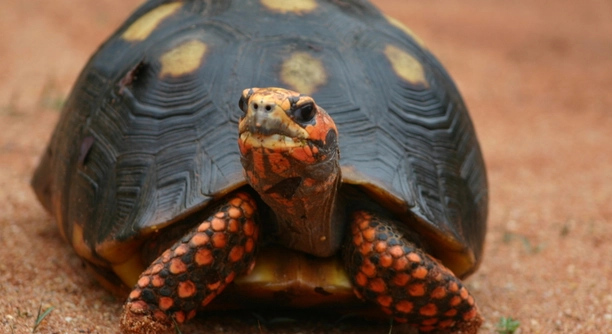
Are your red-footed tortoises spending too much time resting in their enclosure without much movement? Keeping them active is essential for their health and well-being, ensuring they stay engaged, strong, and mentally stimulated throughout their lives.
The best ways to keep your red-footed tortoise active include providing a spacious enclosure, offering environmental enrichment, introducing varied terrain, encouraging foraging behavior, and ensuring proper diet and hydration. These methods promote natural behaviors, physical activity, and overall well-being for your tortoise.
A healthy and active tortoise leads a longer, more fulfilling life. Learning the right ways to encourage movement will help you create the perfect environment for your reptile companion.
Provide a Spacious Enclosure
A red-footed tortoise needs plenty of space to move around. A small enclosure limits their activity and can lead to boredom. A proper setup should be at least 8 square feet, with room for roaming, digging, and exploring. If possible, an outdoor area with natural sunlight is ideal. This allows them to engage in natural behaviors, improving both physical and mental health. Adding logs, rocks, and shaded areas can create a more enriching environment. A spacious setup gives them freedom to explore while preventing inactivity and stress-related issues.
An enclosure that lacks space can cause stress and reduce movement. When a tortoise feels confined, it may become lethargic and less interested in exploring. A larger enclosure encourages natural activity and helps maintain their overall health.
If keeping your tortoise indoors, ensure proper heating and lighting. UVB lighting helps with shell health, while a warm basking area keeps them comfortable. A varied setup will encourage movement and prevent boredom.
Introduce Environmental Enrichment
Environmental enrichment keeps a tortoise engaged and prevents a sedentary lifestyle. Simple additions like climbing structures, tunnels, and hiding spots encourage exploration. Changing the layout occasionally keeps their environment fresh and stimulates natural curiosity.
Creating a stimulating space can make a difference in their activity levels. Adding different textures, such as grass, soil, and sand, can encourage movement. Placing safe objects to climb on or under will provide mental and physical stimulation. Hide food around the enclosure to promote foraging. This mimics their natural habitat and keeps them engaged. Providing a shallow water dish for soaking helps with hydration while adding another element for them to interact with.
A tortoise that has an enriching environment is more likely to stay active. Small changes in their enclosure can have a big impact. With the right setup, they will remain engaged, curious, and healthy.
Encourage Foraging Behavior
Hiding food around the enclosure encourages natural foraging instincts. Instead of placing food in a dish, scatter small portions throughout their habitat. This keeps them engaged, promotes movement, and prevents overeating by slowing down their feeding process.
Using different food textures and placements adds variety to their routine. Leafy greens can be hung at different heights, while fruits and vegetables can be buried slightly to encourage digging. Edible plants, like dandelions or hibiscus, can be grown inside the enclosure for them to nibble on. Changing the food locations daily prevents boredom and keeps them actively searching.
Foraging keeps a tortoise physically active while providing mental stimulation. In the wild, they spend a lot of time searching for food. Mimicking this natural behavior in captivity helps prevent laziness and improves overall well-being. It also encourages a varied diet, leading to better nutrition.
Add Varied Terrain
Different surfaces encourage movement and keep their muscles engaged. A mix of soil, grass, sand, and flat stones creates an environment that promotes natural behaviors. Soft ground is great for digging, while rough surfaces help maintain healthy claws and prevent overgrowth. Changing up their terrain makes exploring more exciting.
Adding gentle slopes, small hills, or logs forces a tortoise to use different muscle groups. This improves their strength and coordination. A mix of textures, like bark chips and damp moss, provides sensory enrichment. Ensuring safe footing is important, so avoid sharp or slippery surfaces. A balanced terrain setup promotes movement without causing unnecessary stress.
A tortoise that moves across different surfaces stays more active. Providing a variety of terrains within their enclosure encourages exploration and prevents inactivity. Simple adjustments, like adding raised areas or uneven surfaces, can make a big difference in their daily activity levels.
Ensure Proper Diet and Hydration
A well-balanced diet keeps a tortoise active and healthy. Offer a mix of leafy greens, vegetables, and occasional fruits. Avoid overfeeding protein or high-sugar foods, as these can lead to sluggishness. Fresh water should always be available to prevent dehydration and maintain energy levels.
Hydration is essential for movement and digestion. A shallow water dish allows easy access for drinking and soaking. Misting the enclosure occasionally helps maintain humidity, benefiting their skin and shell health. Providing water-rich foods, like cucumbers and melons, can also help keep them hydrated and encourage natural activity.
Provide Safe Outdoor Time
Supervised outdoor time allows a tortoise to experience natural sunlight, fresh air, and open space. Direct UVB exposure strengthens their shell, while new scents and textures keep them engaged. A secure, escape-proof area with shaded spots ensures they can explore safely while staying protected from harsh weather conditions.
Interact with Your Tortoise
Gentle interaction encourages movement and curiosity. Hand-feeding treats, guiding them toward different areas, or lightly tapping the ground near them can stimulate activity. Keeping them engaged with new experiences prevents them from becoming too sedentary.
FAQ
How can I tell if my red-footed tortoise is inactive?
An inactive red-footed tortoise will spend a lot of time resting, often in the same spot. You may notice a lack of interest in food or surroundings. If they are sluggish or hesitant to move, it might be a sign of inactivity. Check for other signs such as weight loss or a dull, dry shell. A healthy tortoise should be alert and responsive to their environment. If your tortoise is not showing these behaviors, it may be time to reassess their living conditions or diet.
What can I do to get my tortoise moving?
To encourage movement, try rearranging the enclosure and adding new elements like climbing structures, logs, or rocks. Introducing foraging activities, such as hiding food in different places, can stimulate curiosity and get them moving. You can also gently guide them to new areas to encourage exploration. Another helpful strategy is to offer outdoor time where they can roam freely and experience natural sunlight.
How often should I change my tortoise’s enclosure setup?
It’s good to change up your tortoise’s environment every few weeks. This helps keep things interesting and prevents boredom. You don’t need to completely overhaul the enclosure each time, but small changes, like moving logs or adding new objects, can make a big difference. Regular changes in the environment encourage exploration and activity.
Is it safe to let my red-footed tortoise roam outside?
Yes, it’s safe as long as you supervise them and ensure the area is secure. Tortoises can wander off if not properly contained, so use a fenced-in area or a tortoise-safe pen. Always make sure the outdoor area has shaded spots and is free from harmful plants or predators. Outdoor time provides great exercise and natural sunlight, but it should always be closely monitored to ensure safety.
How can I prevent my tortoise from becoming overweight?
To avoid weight gain, provide a balanced diet and avoid overfeeding. Stick to a variety of leafy greens and vegetables, and limit fruits as treats. Ensure your tortoise has enough space to roam and be active, as a sedentary tortoise is more likely to gain excess weight. Offering food in a way that encourages foraging can also slow down eating and keep them active.
What type of terrain is best for my red-footed tortoise?
A mix of soft soil, sand, and rocks is ideal. The terrain should allow your tortoise to dig, climb, and explore. Include areas for basking and shade to help regulate temperature. Flat stones or logs are good for climbing and can help with claw maintenance. Varying the texture of the substrate promotes natural behaviors and keeps them moving.
Can I use toys or accessories in my tortoise’s enclosure?
Yes, but make sure any toys or accessories are safe. Avoid small objects that could be swallowed or sharp items that might injure them. Non-toxic, tortoise-safe materials like wooden branches, rocks, and tunnels can be added to encourage exploration and climbing. Make sure everything you add is sized appropriately and secure.
How can I keep my tortoise hydrated?
Always provide fresh water in a shallow dish that they can easily access. You can also mist the enclosure to maintain humidity levels, which helps with hydration. Offering water-rich foods, like cucumbers or melons, can also aid in hydration. Soaking your tortoise in warm water once a week is another effective way to ensure they stay hydrated.
What are some signs that my tortoise is stressed?
Stress in a tortoise can be indicated by excessive hiding, refusal to eat, or an increase in defensive behaviors like biting or hiding in their shell. A stressed tortoise may also become inactive or start pacing around their enclosure. Make sure their environment is safe, secure, and comfortable. If these behaviors persist, check for any potential environmental stressors, like temperature fluctuations or unsuitable substrates.
How can I improve my tortoise’s activity level during the winter?
In winter, tortoises may naturally slow down due to cooler temperatures. Ensure that the enclosure maintains a stable, warm temperature during this time. Provide extra enrichment by adding hiding spots or rearranging their space to encourage movement. Offering occasional outdoor time, when safe and warm enough, can also help them stay active during the colder months.
Final Thoughts
Keeping your red-footed tortoise active is key to maintaining their overall health and well-being. It’s important to create an environment that encourages them to move, explore, and engage in natural behaviors. A spacious enclosure, environmental enrichment, and varied terrain are essential to prevent boredom and promote physical activity. Small changes, like hiding food or adding new objects, can make a big difference in encouraging them to be more active. The more stimulating their surroundings, the more likely they are to stay physically and mentally engaged.
Besides their environment, diet and hydration play a significant role in your tortoise’s activity levels. Offering a balanced diet and providing fresh water regularly helps keep their energy levels up. Foods that encourage foraging and slow down their feeding process can also promote movement. Hydration is equally important, so be sure to offer a shallow water dish and mist the enclosure if needed. These steps ensure your tortoise stays healthy and ready to move throughout the day.
If you take the time to monitor your tortoise’s behavior and provide the right conditions, you can help prevent inactivity or lethargy. Being proactive about their care, such as giving them regular outdoor time or varying their enclosure setup, ensures they lead an active, happy life. By encouraging natural behaviors like foraging, climbing, and exploring, your red-footed tortoise will remain active and content. All it takes is a little effort and observation to keep them physically engaged and thriving.

Hello,
If you enjoy the content that we create, please consider saying a "Thank You!" by leaving a tip.
Every little bit helps us continue crafting quality advice that supports the health, happiness, and well-being of pets around the world, for pets of all shapes, sizes, and species.
We really appreciate the kindness and support that you show us!