
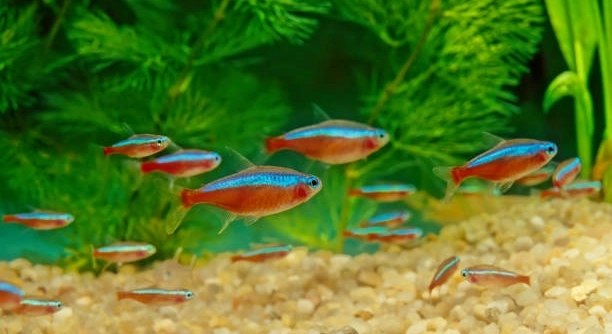
Maintaining a healthy environment for your neon tetra tank is essential. Algae growth can make the tank look unattractive and harm your fish’s well-being. Finding the right strategies to keep algae under control is key for a thriving aquarium.
The most effective way to prevent algae in your neon tetra tank involves a combination of proper lighting, regular cleaning, controlled feeding, and introducing algae-eating species. These practices help create a balanced ecosystem that minimizes algae growth.
By following these practical steps, you can ensure a clean, clear tank for your neon tetras. The best part? You’ll also create an environment that’s both beautiful and beneficial for your aquatic pets.
Choose the Right Lighting for Your Tank
Lighting plays a significant role in algae growth. When your tank gets too much light, algae thrive. Neon tetras, however, don’t require intense lighting to be happy. To keep algae at bay, aim for moderate lighting that doesn’t shine on your tank for too long. A timer is a simple solution to prevent overexposure. It’s best to limit the light to about 8-10 hours a day, mimicking a natural day-night cycle.
Using LED lights is a great choice for aquariums. They use less energy, stay cooler, and are available in various intensities. Make sure the light doesn’t shine directly on the tank for extended periods.
Proper lighting is crucial for reducing algae without harming your fish. Consistency is key. Not only will it help maintain a balanced ecosystem, but it will also make your neon tetras feel more at home in their environment. A stable routine will also keep unwanted algae growth in check.
Regular Tank Cleaning Matters
Cleaning your tank regularly is vital for algae control.
Removing debris, algae, and any excess food will prevent it from accumulating and affecting water quality. Clean your tank every 1-2 weeks. Doing so will also ensure your neon tetras swim in a healthy environment. Keep your gravel clean by using a gravel vacuum to remove dirt without disturbing the setup too much.
To prevent algae buildup, use a small algae scraper to gently remove it from the tank walls. Be mindful of the water temperature during cleaning, ensuring it stays at a consistent level. Clean your filter as well, as it helps remove algae spores from the water. Always check for any areas that could accumulate waste or excess nutrients, as they can fuel algae growth. Regular cleaning habits are essential for a well-maintained aquarium and the health of your neon tetras.
Limit Feeding to Control Algae
Overfeeding your neon tetras can lead to excess nutrients in the tank, which contribute to algae growth.
Feed your fish only what they can eat in a few minutes. Any leftover food should be removed to avoid it breaking down and feeding algae. This will help keep your tank cleaner and water quality better. It also prevents an unhealthy buildup of organic matter, which can trigger algae blooms.
A proper feeding routine ensures your neon tetras are well-fed without giving algae the nutrients they need. You’ll also notice fewer water changes are necessary, which helps maintain a stable environment for your fish.
Add Algae-Eating Fish or Snails
Introducing algae-eating species is one of the most natural ways to combat algae.
Snails like Nerite snails or fish like Otocinclus can be excellent additions to your tank. These creatures will help control algae without harming your neon tetras. They are small, efficient, and won’t disrupt the balance of your tank. Algae eaters also help by keeping surfaces clean and preventing excessive algae growth.
Choose species that are compatible with your neon tetras, as some may require different care or water conditions. Keep an eye on their activity to make sure they are doing their job without stressing your other fish. Adding these helpful creatures creates a more balanced ecosystem and reduces your algae problems significantly.
Use Live Plants to Prevent Algae
Live plants help balance your tank and compete with algae for nutrients.
Plants naturally absorb excess nutrients in the water, reducing the chances of algae growth. They also provide hiding spots and enhance the aesthetic of your aquarium. Make sure to choose plants that thrive in the same water conditions as your neon tetras.
Adding live plants not only benefits your tank’s appearance but also creates a healthier environment for your neon tetras. Properly maintained plants ensure algae doesn’t take over. They help absorb the nutrients algae need, giving your fish a cleaner, safer space.
Maintain Good Water Quality
Regular water changes are crucial for keeping algae under control.
Changing 20-30% of the tank’s water every week ensures the removal of excess nutrients and algae spores. It’s also important to check the water’s pH, hardness, and temperature. Poor water quality can trigger algae growth and stress your fish.
Regular water maintenance keeps the tank clean, your fish healthy, and algae in check. By staying on top of your water quality, you prevent an environment where algae thrives. It’s one of the most effective ways to maintain a balanced aquarium.
Keep Your Filter Clean
A clean filter helps maintain water clarity and quality.
Your filter is responsible for removing debris and particles from the water. Over time, it can become clogged, reducing its effectiveness. Clean the filter every few weeks to prevent it from becoming a source of algae growth.
FAQ
What causes algae growth in a neon tetra tank?
Algae growth is typically caused by an excess of nutrients like nitrates and phosphates in the water. These nutrients come from uneaten food, fish waste, and decaying plants. Poor water circulation, long exposure to light, and lack of regular maintenance can also contribute to algae problems.
Neon tetras, while hardy, don’t tolerate water imbalances well. Too many nutrients or unstable water conditions create the perfect environment for algae to thrive. By limiting light, controlling feeding, and maintaining proper water quality, you can significantly reduce the chances of algae growth.
How often should I clean my neon tetra tank to prevent algae?
Cleaning your neon tetra tank every 1-2 weeks is essential to prevent algae buildup. During cleaning, remove any debris, uneaten food, and algae from the tank walls. It’s also important to vacuum the substrate to prevent organic matter from accumulating at the bottom.
Don’t forget to clean the filter and check the water quality as well. Regular maintenance keeps the tank in good condition and helps keep algae growth under control. Aim for a balance between cleaning and maintaining a stable environment for your fish.
Can I use chemicals to remove algae in my tank?
Using chemicals to remove algae is not always recommended, especially in tanks with neon tetras. Harsh chemicals can harm both your fish and beneficial bacteria in the tank. Opting for natural solutions like algae-eating fish or snails is often a safer and more sustainable approach.
If algae has become a serious issue, there are algae removers available that are safe for fish. However, these should be used sparingly and as a last resort. Regular cleaning, water changes, and proper tank maintenance are the best ways to manage algae in the long term.
What lighting is best for preventing algae in a neon tetra tank?
To prevent algae growth, avoid keeping your neon tetra tank under constant light. Aim for about 8-10 hours of light each day to mimic a natural day-night cycle.
LED lights are ideal for aquariums because they are energy-efficient and produce less heat. Avoid placing your tank in direct sunlight, as this can cause the water to heat up and encourage algae growth. A timer can help you maintain a consistent lighting schedule, ensuring your neon tetras have the right amount of light without stimulating algae.
Can live plants help with algae control?
Yes, live plants can help control algae growth. Plants absorb the same nutrients that algae thrive on, which reduces the amount available for algae to use. Additionally, healthy plants can outcompete algae for space and light.
Choose plants that thrive in similar conditions as your neon tetras. Fast-growing plants, like Java Moss or Anubias, are great choices as they absorb nutrients quickly. Live plants not only help control algae but also improve the overall health and appearance of your aquarium.
How do I control algae without harming my neon tetras?
The best way to control algae without harming your neon tetras is through natural methods. Regular cleaning, limiting light exposure, controlling feeding, and introducing algae-eating fish or snails can all help.
Avoid using chemicals that may harm the tank’s ecosystem. Maintaining stable water conditions is also crucial for preventing algae from taking over. Regular water changes, proper filtration, and monitoring nutrient levels will ensure a healthy, algae-free tank for your neon tetras.
What algae-eating species are safe for neon tetras?
Several algae-eating species are compatible with neon tetras. Otocinclus catfish are a great choice because they are small, peaceful, and efficient at eating algae. Nerite snails are also safe for your tank and can help clean algae off hard surfaces.
Other options include Siamese algae eaters and Amano shrimp, though you should ensure their water requirements match those of your neon tetras. Always research any new species before introducing them to your tank to avoid conflicts with your neon tetras.
How can I prevent green water algae in my tank?
Green water algae, or algae blooms, are often caused by excess nutrients and prolonged light exposure. To prevent this, avoid overfeeding your fish and ensure you’re performing regular water changes.
Consider using a UV sterilizer, which can help clear up green water by removing algae particles. Keep the tank in a spot with minimal direct sunlight, and ensure the lighting period is controlled. Reducing the amount of dissolved nutrients in the water will make it harder for algae to flourish.
Are algae eaters enough to control algae on their own?
Algae eaters can certainly help reduce algae in your tank, but they are not a complete solution. While they will help control algae on the surfaces, you still need to maintain proper water quality, light cycles, and regular cleaning to fully prevent algae growth.
Algae eaters are a great supplement to these practices, but they shouldn’t be relied upon alone. They can make the process easier, but consistent tank management is key for a truly algae-free environment.
How does overfeeding contribute to algae growth in a neon tetra tank?
Overfeeding leads to uneaten food settling in the substrate and breaking down, which increases nutrient levels in the water. These excess nutrients, especially nitrates and phosphates, provide food for algae.
By only feeding your neon tetras what they can consume in a few minutes, you reduce the amount of organic waste in the water. This helps prevent algae from having enough nutrients to grow. Monitoring feeding habits is a simple but effective way to control algae.
Final Thoughts
Keeping your neon tetra tank algae-free doesn’t have to be difficult. By following simple steps like controlling light, cleaning regularly, and monitoring feeding habits, you can reduce the chances of algae taking over. Maintaining a balanced environment through proper water care and filtration will help keep your tank clear and healthy. Additionally, adding live plants and algae-eating creatures will naturally help prevent algae growth without the need for harsh chemicals.
It’s important to remember that a little algae in your tank is natural. However, when it gets out of control, it can affect the health of your neon tetras and make your tank look less appealing. The key is to stay consistent with maintenance. Regular water changes, cleaning, and light management are some of the most effective ways to keep algae growth in check. With a little attention, your tank will remain a safe and beautiful space for your neon tetras to thrive.
Finally, always be proactive rather than reactive when it comes to algae control. Set a routine for your tank’s maintenance and stick to it. Watch for signs of algae growth early and address them right away. With the right practices in place, you’ll have a thriving, algae-free aquarium that is both beautiful and healthy for your neon tetras.

Hello,
If you enjoy the content that we create, please consider saying a "Thank You!" by leaving a tip.
Every little bit helps us continue crafting quality advice that supports the health, happiness, and well-being of pets around the world, for pets of all shapes, sizes, and species.
We really appreciate the kindness and support that you show us!