
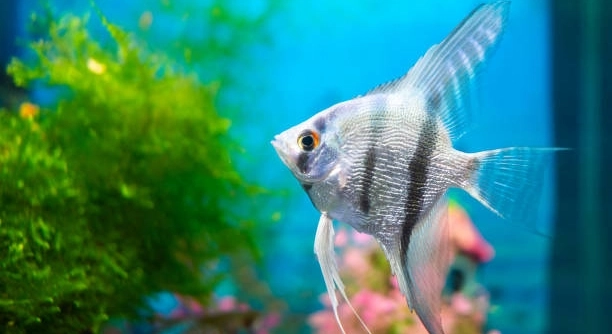
Maintaining a healthy environment for your angelfish is key to their happiness and longevity. An unbalanced tank can lead to stress, poor health, and even premature death. Proper care will ensure your fish thrive in a clean, stable habitat.
To keep your angelfish’s tank balanced, it’s essential to regularly check water parameters such as pH, ammonia, nitrites, and nitrates. Regular water changes, proper filtration, and balanced feeding also contribute to a healthy aquatic environment.
By following a few simple yet effective steps, your tank can become a stable environment for your angelfish. Maintaining balance goes beyond just cleaning the tank—understanding the factors that affect water quality is essential for your fish’s health.
Regular Water Changes
Keeping your angelfish tank in balance starts with regular water changes. Over time, harmful substances like nitrates and waste can build up, affecting the water quality. Changing 20-30% of the water every week will help remove these toxins and provide fresh water for your fish. This helps maintain the ideal environment for their health.
It’s important to use water that is treated to remove chlorine and chloramine, which can harm your fish. Also, ensure the new water matches the temperature and pH of the tank to avoid shocking your angelfish. These small adjustments can go a long way in promoting a balanced tank.
To make water changes more effective, use a gravel vacuum to clean the substrate during each change. This will remove debris and prevent any waste from accumulating. If you maintain a consistent water change routine, your angelfish will have cleaner water and a healthier environment to thrive in.
Proper Filtration System
Having a reliable filtration system is crucial for keeping your tank balanced. Filters help remove waste, debris, and harmful chemicals, creating a safer environment for your angelfish. Choose a filter with the right flow rate to ensure the water circulates well without being too strong for your fish.
A good filter removes organic matter, controls bacteria growth, and keeps the water clear. However, over time, filters can become clogged or lose their efficiency. Cleaning or replacing filter media regularly will ensure that your filter continues to work properly, maintaining a clean, stable environment for your angelfish. Make sure the filter is powerful enough for the size of your tank, and always monitor water quality to make adjustments if needed.
Avoid Overfeeding
Overfeeding is one of the easiest ways to throw off the balance of your tank. Leftover food breaks down and raises the levels of ammonia in the water. This can lead to poor water quality, which affects both your fish and the tank’s ecosystem. It’s important to feed your angelfish only what they can consume within a few minutes to prevent excess waste from accumulating.
Overfeeding can also lead to bloated fish and health problems. If you notice food floating after a few minutes, remove it from the tank. This keeps the tank cleaner and helps your angelfish stay healthy. Fish will adapt to a proper feeding schedule, so you don’t need to overdo it. Aim to feed them small portions once or twice a day.
Lastly, monitor your fish’s behavior after feeding. If they are not eating all the food, or if the food settles at the bottom, it’s a clear sign to adjust the amount. This simple practice ensures the tank remains in balance.
Maintain Optimal Water Temperature
Water temperature plays a vital role in maintaining a balanced tank. Angelfish thrive in temperatures between 76-82°F (24-28°C). Water that is too hot or cold can stress your fish, making them more susceptible to illness and affecting their overall health.
To ensure your tank stays within the ideal temperature range, invest in a good aquarium heater with a thermostat. A steady, stable temperature is crucial for your fish’s well-being, and sudden fluctuations can be harmful. Check the temperature regularly with an accurate thermometer to avoid any surprises. Avoid placing the tank near windows or drafty areas, as this can cause temperature swings.
In addition to a heater, consider using a thermometer with an alarm to alert you if the temperature goes out of range. This can help you act quickly and prevent any harm to your angelfish. Keeping the water temperature steady promotes their immune system and overall health, making it a key aspect of tank balance.
Monitor Water Parameters
Consistently monitoring your water parameters is essential for a balanced tank. Test for pH, ammonia, nitrites, and nitrates regularly to ensure the water remains within safe levels. This helps you catch any potential problems before they harm your angelfish or affect the ecosystem of your tank.
Maintaining ideal levels for pH, ammonia, nitrites, and nitrates is important for the health of your fish. Ammonia and nitrites should remain at zero, as even small amounts can be toxic to fish. Nitrates should be kept below 40 ppm to avoid water quality issues. Regular water tests give you the control to make adjustments when necessary, such as performing water changes or adjusting the filtration system.
Many aquarium owners make the mistake of ignoring these tests, but knowing your tank’s water quality will make all the difference in keeping your angelfish happy and healthy. Regular testing ensures a stable environment for your fish, preventing stress and potential illness.
Proper Tank Size
Choosing the right tank size is crucial for keeping your angelfish healthy. A tank that’s too small can lead to overcrowding, which raises stress levels and makes it harder to maintain stable water conditions. The minimum recommended size for angelfish is 30 gallons.
A larger tank allows for better filtration, stable water parameters, and a more comfortable environment for your fish. It also gives them enough space to swim and establish territories, which is important for reducing stress. A cramped tank may lead to aggressive behavior, poor water quality, and unhappy fish. If you have multiple angelfish, you’ll need an even larger tank to accommodate them properly.
Having a proper tank size isn’t just about fitting your fish in, it’s about creating an environment where they can thrive. By investing in a bigger tank, you’ll give your angelfish the space they need to live their best life.
Choose the Right Tank Mates
Choosing the right tank mates for your angelfish is essential to maintaining a balanced environment. Angelfish are peaceful but can be territorial, especially when breeding. Select non-aggressive species that won’t cause stress or overcrowding. Avoid small fish that may become snacks.
Angelfish generally do well with other peaceful, medium-sized fish that won’t invade their space. Species like tetras, rasboras, and peaceful catfish can work well. However, avoid fish that may nip at their fins, like some species of barbs. Additionally, make sure tank mates are similar in size to reduce the chances of bullying.
Choosing compatible tank mates ensures your angelfish won’t experience stress from aggressive neighbors, which can disrupt the balance of the tank. A harmonious community leads to a healthier, more stable environment for everyone.
Clean Decorations and Equipment
Regularly cleaning tank decorations and equipment helps prevent the buildup of waste and algae, which can affect the water quality. Scrub decorations with a soft brush and clean the equipment like pumps and heaters. Keep everything tidy to maintain balance.
A clean tank is essential for keeping the environment healthy. Algae buildup can contribute to poor water quality, while dirty equipment can cause filtration issues. Make sure to inspect decorations for any sharp edges that could harm your fish. Clean the equipment as recommended to ensure it works efficiently.
Use Live Plants
Live plants play an important role in keeping your angelfish tank balanced. They help absorb excess nutrients, reduce algae growth, and provide hiding spots. Plants also oxygenate the water, improving the overall tank environment for your fish.
FAQ
How often should I clean my angelfish tank?
Cleaning your angelfish tank depends on the size of your tank, the number of fish, and the filtration system. A good rule of thumb is to clean the tank thoroughly every 2-4 weeks. This includes scrubbing the walls to remove algae, vacuuming the substrate to pick up debris, and cleaning the filter. However, it’s also important to perform partial water changes every week or two to keep the water quality in check.
Why is the water in my angelfish tank cloudy?
Cloudy water can result from various factors, including overfeeding, insufficient filtration, or bacterial blooms. If you overfeed your fish, uneaten food breaks down and causes an ammonia spike, which affects water clarity. Similarly, if your filter isn’t working properly, waste can accumulate, causing the water to cloud. Bacterial blooms can also make the water appear murky, but these typically resolve themselves after a few days. Regular water changes and maintaining proper filtration should help clear the water up.
What is the best temperature for an angelfish tank?
Angelfish thrive in water temperatures between 76-82°F (24-28°C). Keeping the temperature within this range is essential for their health. If the water is too cold or too hot, it can stress your fish, making them more prone to illness. A stable temperature is key, so use a good quality aquarium heater with a thermometer to keep the water consistent.
Can I keep angelfish with other species?
Yes, angelfish can live peacefully with other species, but it’s important to choose compatible tank mates. Avoid aggressive or overly territorial fish, as they may stress your angelfish. Small fish that can easily be eaten, like guppies or neon tetras, should also be avoided. Peaceful species like corydoras catfish, other tetras, or rasboras are usually good companions. Just be mindful of their temperament and size.
How do I know if my angelfish are stressed?
Stressed angelfish may exhibit behaviors such as hiding, lack of appetite, or aggressive interactions with tank mates. They may also swim erratically or stay in one spot without moving much. Stress can be caused by various factors, including poor water quality, overcrowding, aggressive tank mates, or an improper environment. Monitoring their behavior and the tank’s conditions will help you identify and address stressors quickly.
Do angelfish need a filter?
Yes, a filter is necessary for keeping your angelfish tank healthy. Filters help remove waste, excess food, and harmful chemicals, ensuring the water remains clean. A filter also promotes good water circulation, which is important for your angelfish. Make sure the filter is appropriately sized for your tank to ensure effective filtration without strong currents that might stress the fish.
How can I encourage breeding in angelfish?
To encourage breeding, it’s important to provide an environment that closely mimics their natural habitat. This means keeping the water temperature between 78-80°F (25-27°C), maintaining stable water parameters, and offering plenty of flat surfaces for the female to lay eggs. Ensure the tank is free of stressors, and provide a balanced diet to keep the fish healthy. If you have a male and female pair, they may start to breed once they feel comfortable in their environment.
Why are my angelfish chasing each other?
Chasing is often a sign of territorial behavior or a mating ritual. Angelfish are generally peaceful, but they can become territorial, especially if they’re breeding. Males may chase females to court them, while females may chase males to establish dominance. If the chasing becomes aggressive, it could be a sign of stress or competition for space. Make sure there’s enough space and hiding spots to reduce tension.
Can I keep angelfish with other types of cichlids?
While angelfish are a type of cichlid, they can generally be kept with other peaceful cichlid species. However, you should avoid keeping them with overly aggressive cichlids, as they may cause harm to your angelfish. It’s best to choose species that are similarly sized and have a calm temperament. Always monitor interactions to ensure a peaceful tank.
How can I prevent algae growth in my angelfish tank?
Preventing algae growth is a combination of good tank maintenance and controlling light and nutrients. Keep the tank clean by removing excess food and debris, and ensure your filtration system is working properly. Avoid leaving the tank lights on for too long, as excessive light encourages algae. Introducing live plants also helps absorb excess nutrients that algae feed on. If algae growth becomes an issue, you can also introduce algae-eating fish or snails.
What do I do if my angelfish are not eating?
If your angelfish are not eating, it could be due to stress, water quality issues, or illness. First, check the water parameters to ensure they are within the ideal range. If everything seems normal, try offering a different type of food or adjusting their feeding schedule. If they continue to refuse food, it may be a sign of illness, and you should consult with an aquarium professional or veterinarian for advice.
How do I know if my angelfish are sick?
Signs of illness in angelfish include changes in behavior (like lethargy), loss of appetite, discolored or damaged fins, or unusual swimming patterns. You may also notice bloating, white spots, or abnormal growths on their body. It’s important to quarantine sick fish and monitor them closely. If you suspect your fish is sick, researching the symptoms or consulting a veterinarian can help you determine the appropriate treatment.
Final Thoughts
Keeping an angelfish tank balanced requires attention to detail, but with the right care, it can be a rewarding experience. Regular water changes, monitoring water parameters, and maintaining a proper filtration system are the foundation of a healthy tank. Your angelfish will thrive in a stable environment where water quality is consistently managed. It’s also important to consider the size of your tank and the compatibility of tank mates to ensure that your fish are not stressed or overcrowded. By taking these steps, you’ll create a happy and healthy home for your angelfish.
The right temperature, feeding routine, and environment also play significant roles in tank balance. Angelfish are sensitive to changes in water temperature, so it’s important to keep it steady. Feeding them the right amount of food ensures that their tank doesn’t become polluted with uneaten waste, which can affect water quality. Choosing live plants for your tank can also improve the water quality and give your fish a more natural habitat. Plants help absorb excess nutrients and provide hiding places, which can make your angelfish feel safer and reduce stress.
In conclusion, balancing an angelfish tank doesn’t require constant effort, but it does require attention to the details. Regular maintenance, such as cleaning the tank, monitoring the water quality, and adjusting the temperature, is essential for long-term success. By providing a proper environment for your angelfish, you’ll enjoy a healthy and thriving aquarium that both you and your fish will benefit from. Keep an eye on their behavior and water conditions, and make adjustments as needed. With the right care, your angelfish can live happily and healthily for years to come.

Hello,
If you enjoy the content that we create, please consider saying a "Thank You!" by leaving a tip.
Every little bit helps us continue crafting quality advice that supports the health, happiness, and well-being of pets around the world, for pets of all shapes, sizes, and species.
We really appreciate the kindness and support that you show us!