
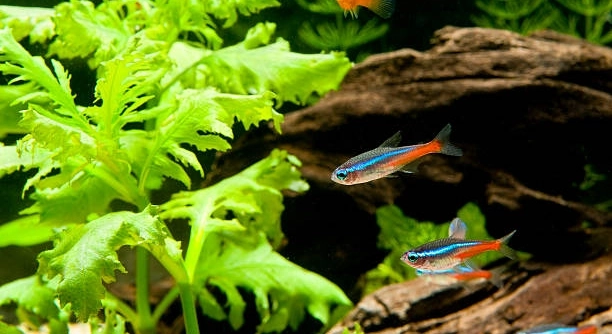
Tetras are popular aquarium fish known for their vibrant colors and peaceful nature. Keeping them healthy over time requires attention to their environment, diet, and overall care. Understanding the basics of their needs helps ensure they thrive.
Maintaining tetra health long-term involves proper tank conditions, regular water changes, balanced nutrition, and monitoring for disease. Consistent care and attention to water quality, temperature, and social behavior are essential to support their well-being and longevity.
This article covers practical tips that will help you create a stable environment and promote your tetra’s lasting health. Following these guidelines can make a real difference in your aquarium’s success.
Provide a Proper Tank Environment
Tetras thrive best in a clean, well-maintained tank with stable water conditions. The tank should be at least 10 gallons to provide enough space for swimming and social interaction. Use a reliable filter to keep the water clear and free of toxins. Regular water changes, about 25% weekly, help maintain good water quality by removing waste and preventing the buildup of harmful chemicals. Maintaining a consistent temperature between 72 and 78 degrees Fahrenheit is crucial since sudden changes stress tetras. Adding live plants and hiding spots gives them a natural feel and reduces stress. Monitoring the pH level to stay between 6.0 and 7.5 keeps the water conditions close to their natural habitat. Avoid overcrowding the tank as it leads to poor water quality and aggression among fish. A balanced, stable environment is the foundation for keeping tetras healthy long-term.
A proper tank setup supports the fish’s immune system and encourages natural behavior, helping them live longer and with less stress.
Planning the tank carefully and maintaining these conditions regularly creates a healthy home for tetras, making them more vibrant and active over time.
Feed a Balanced Diet
Feeding tetras the right diet is essential to their health and longevity. They need a mix of protein, vitamins, and minerals to stay active and maintain their color.
Offering high-quality flake or pellet food designed for small tropical fish forms the diet’s base. Supplement this with occasional treats like freeze-dried or live foods such as brine shrimp or bloodworms to provide variety and extra nutrients. Avoid overfeeding, as leftover food can pollute the water and cause digestive problems. Feeding small amounts twice daily ensures they get enough without excess waste. Fresh, varied food helps prevent nutritional deficiencies and supports growth and reproduction. Paying attention to their appetite and adjusting portions based on their activity can also keep them in good condition.
A balanced diet not only boosts health but also improves resilience to disease and stress.
Regularly providing nutritious food tailored to their needs makes a noticeable difference in the vitality and lifespan of your tetras.
Maintain Consistent Water Quality
Regular water testing is necessary to keep tank conditions stable. Check parameters like ammonia, nitrite, nitrate, and pH at least once a week. Sudden changes in these levels can harm your tetras.
Keeping ammonia and nitrite at zero is crucial, as even small amounts can be toxic. Nitrate should be kept below 20 ppm to avoid stress and disease. Testing kits are affordable and easy to use, making it simple to track water health. Regular partial water changes help control nitrate levels and remove waste. Avoid using soap or harsh chemicals when cleaning the tank or decorations, as residues can poison the fish.
A steady environment with clean water reduces health problems and keeps tetras active. Proper filtration combined with frequent checks ensures your fish enjoy a safe home.
Consistent water maintenance minimizes the risk of illness and supports long-term well-being.
Monitor Behavior and Health Signs
Watch your tetras closely for any changes in behavior or appearance. Signs like lethargy, loss of appetite, or unusual swimming patterns indicate potential health problems. Early detection is key to preventing serious issues.
Healthy tetras swim actively, school together, and have bright colors. If you notice clamped fins, spots, or discoloration, these may signal disease. Isolating sick fish helps prevent spreading illness to others in the tank. Quarantine new fish before adding them to the main tank to avoid introducing infections. Proper observation and prompt action improve recovery chances. Maintaining good water quality and a balanced diet also helps keep diseases at bay.
Regular monitoring helps you catch problems early, making care more effective and less stressful for both you and your fish. It’s an important habit for anyone serious about keeping tetras healthy.
Avoid Overcrowding the Tank
Tetras are social fish but need enough space to swim comfortably. Overcrowding causes stress and poor water quality.
Crowded tanks lead to aggression and increased waste, which can raise toxin levels. A proper number of fish per gallon keeps the environment balanced.
Keep Compatible Tank Mates
Choose peaceful fish that thrive in similar water conditions to avoid conflicts. Aggressive or larger species can harm tetras.
Selecting compatible tank mates reduces stress and competition for food. Peaceful community fish like guppies or rasboras often coexist well with tetras.
Perform Regular Tank Maintenance
Cleaning the tank regularly prevents waste buildup and keeps water clear. Remove uneaten food and debris frequently.
Routine maintenance supports a stable environment, preventing harmful conditions that affect tetra health.
Use Quality Filtration
A good filter is essential to remove toxins and maintain water clarity. It supports beneficial bacteria growth, which breaks down waste.
FAQ
How often should I change the water in my tetra tank?
Regular water changes are important for keeping your tetras healthy. Changing about 25% of the water weekly helps remove waste, toxins, and excess nutrients. This prevents harmful buildups that stress the fish. If your tank is heavily stocked or filter performance is weak, more frequent changes may be needed. Always use dechlorinated water at the same temperature as the tank to avoid shocking the fish.
What is the best temperature range for tetras?
Tetras do best in water between 72 and 78 degrees Fahrenheit. Temperatures outside this range can cause stress or illness. Use a reliable aquarium heater to maintain stable warmth. Avoid placing the tank near drafts or direct sunlight to prevent temperature swings. Stability in temperature is more important than hitting an exact number.
Can tetras live with other fish species?
Yes, tetras are peaceful and usually get along with other small, non-aggressive fish. Good tank mates include guppies, rasboras, and Corydoras catfish. Avoid larger or aggressive species, as they can bully or eat your tetras. Always research any new fish to ensure they have similar water requirements and temperaments.
What should I feed my tetras?
A balanced diet includes high-quality flakes or pellets made for tropical fish. Supplement this with occasional live or frozen foods like brine shrimp or bloodworms. Feeding small amounts twice daily is best. Avoid overfeeding, which can lead to poor water quality and health problems.
How can I tell if my tetras are sick?
Common signs of illness include lethargy, loss of appetite, faded colors, clamped fins, and unusual spots or growths. Erratic swimming or hiding can also indicate stress or disease. If you notice these signs, test your water quality and consider isolating affected fish to prevent spreading infection.
Do tetras need a heater and filter?
Yes, a heater keeps the water temperature stable, which is essential for tropical fish like tetras. A filter removes toxins and helps maintain water clarity. It also supports beneficial bacteria that break down fish waste. Both are key to a healthy tank environment.
How many tetras can I keep in one tank?
A general rule is one inch of fish per gallon of water, but tetras prefer to be in groups of at least six for social comfort. For example, in a 10-gallon tank, six small tetras work well. Avoid overcrowding to prevent stress and poor water quality.
Can I use tap water for my tetra tank?
Tap water can be used but must be treated first to remove chlorine and chloramine, which are harmful to fish. Use a water conditioner designed for aquariums before adding water to the tank. Testing the water parameters regularly will ensure a safe environment for your tetras.
How often should I clean the aquarium?
Partial water changes weekly are essential, but the tank itself should be cleaned every two to four weeks. This includes removing algae, cleaning the substrate, and rinsing decorations without soap. Regular maintenance prevents buildup that can harm your fish.
What is the ideal pH level for tetras?
Tetras thrive in slightly acidic to neutral water with a pH between 6.0 and 7.5. Maintaining this range supports their health and comfort. Test the pH regularly and avoid sudden shifts, as rapid changes can stress the fish and weaken their immune system.
Final Thoughts
Keeping tetras healthy over the long term requires consistent care and attention to their environment. Maintaining stable water conditions, including temperature, pH, and cleanliness, is one of the most important steps. Regular water changes and proper filtration help prevent the buildup of harmful substances that can cause stress or disease. Creating a tank that mimics their natural habitat with plants and hiding spots can also make a significant difference in their well-being. These factors combined support the fish’s immune system and promote natural behavior.
Feeding tetras a balanced diet is equally important. Providing high-quality flakes or pellets designed for tropical fish ensures they receive necessary nutrients. Adding occasional live or frozen foods introduces variety and extra vitamins, helping to keep them vibrant and active. Overfeeding should be avoided to prevent water pollution and health problems. Observing their eating habits can help you adjust portions to meet their needs without waste. Good nutrition supports growth, coloration, and overall health, making your tetras more resilient to illness.
Lastly, regular monitoring of your tetras’ behavior and physical condition allows you to catch potential issues early. Signs such as lethargy, loss of appetite, or changes in appearance often indicate stress or disease. Addressing these problems promptly can prevent serious health declines and protect other fish in the tank. Choosing compatible tank mates and avoiding overcrowding further reduce stress and maintain a peaceful environment. By following these basic but essential practices, you can enjoy the beauty and liveliness of your tetras for many years.

Hello,
If you enjoy the content that we create, please consider saying a "Thank You!" by leaving a tip.
Every little bit helps us continue crafting quality advice that supports the health, happiness, and well-being of pets around the world, for pets of all shapes, sizes, and species.
We really appreciate the kindness and support that you show us!