
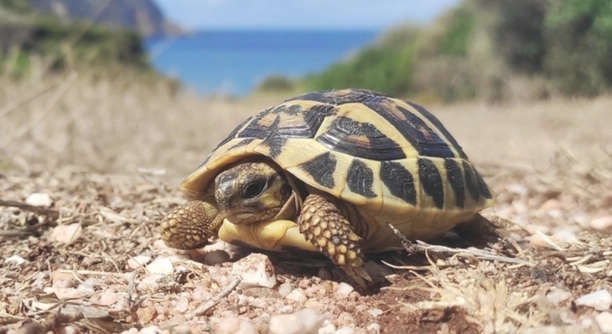
Keeping a Hermann’s tortoise warm during the winter can be a challenge, but it is crucial for their well-being. Proper warmth ensures they stay healthy and active throughout the colder months.
The best ways to keep your outdoor Hermann’s tortoise warm in winter include providing a heated shelter, using heat lamps, and ensuring proper insulation. Creating a secure, controlled environment helps prevent the tortoise from experiencing dangerous temperature fluctuations.
Implementing these methods will help maintain the warmth your tortoise needs for a safe, comfortable winter.
Heated Shelters: Essential for Winter Comfort
When temperatures drop, a heated shelter can provide a safe haven for your Hermann’s tortoise. This shelter should be well-ventilated, but capable of maintaining warmth. It’s important to choose a structure that protects from wind and rain while keeping heat inside. Adding heat sources like a heat mat or ceramic bulb can create a comfortable environment. You should regularly check that the shelter maintains a consistent temperature, avoiding excessive fluctuations that could harm the tortoise. This way, they have a warm space to retreat to when outdoor conditions become too harsh.
Heat sources should be placed carefully inside the shelter. Avoid positioning them too close to the tortoise’s resting area. Doing so can lead to overheating, which is just as harmful as too cold temperatures.
A proper shelter should be sturdy, insulated, and large enough for your tortoise to move around freely. This will ensure they are safe, comfortable, and not exposed to dangerous temperature drops throughout the winter.
Use Heat Lamps for Additional Warmth
A heat lamp can be a great addition to your tortoise’s winter setup. This source of heat should be positioned above their basking area to provide direct warmth.
Heat lamps can be effective in maintaining a steady temperature during the colder months. Make sure to monitor the temperature regularly to avoid overheating.
Insulating the Outdoor Enclosure
Proper insulation helps maintain a stable environment for your tortoise. Materials such as straw, hay, and blankets can be used to line the walls of the shelter. These provide extra warmth by trapping heat. You can also use foam boards or insulated panels around the shelter’s exterior to prevent heat loss.
Adding a layer of mulch or leaves to the bottom of the enclosure will help provide warmth from the ground up. Avoid using materials that hold moisture, as they can cause the shelter to become damp, leading to health issues for the tortoise. Insulating the shelter properly ensures it stays warm without excessive energy consumption.
Make sure to monitor the temperature inside the shelter frequently. If necessary, add extra layers of insulation as the temperature continues to drop. Ensuring proper insulation can keep the enclosure comfortable without needing constant adjustments.
Keep the Tortoise Active
During winter, it’s important to keep your tortoise as active as possible to prevent them from becoming lethargic. Provide opportunities for them to move around in their outdoor space when the weather allows. If it’s too cold outside, you can create an indoor space for them to roam.
Physical activity helps maintain a tortoise’s metabolism, ensuring they don’t fall into a hibernation-like state that could be harmful in the winter months. When the weather is milder, let them enjoy outdoor time in the sun for a few hours each day. This exposure helps them stay healthy and active.
Providing stimulation in the form of toys or hiding food in the enclosure can also encourage activity. Keeping your tortoise engaged will help them maintain a good appetite and health throughout the winter.
Monitor Temperature Regularly
Regularly checking the temperature inside your tortoise’s shelter is essential to keep them warm and comfortable. Use a thermometer to track both the air and ground temperatures. This ensures that your tortoise’s environment doesn’t drop too low during the night or warm up too much during the day.
The ideal temperature range for a Hermann’s tortoise is around 50°F to 70°F in winter. If the temperature falls below this, the tortoise’s metabolism can slow down, leading to health problems. Ensure that the heat sources are maintaining a consistent level of warmth throughout the shelter to prevent temperature fluctuations.
Use a Substrate Heater
A substrate heater placed beneath the bedding can provide additional warmth. It warms the ground directly, helping to maintain an even temperature. This method is especially useful in colder climates where the air temperature may drop drastically at night.
A substrate heater is a great way to ensure your tortoise is not exposed to cold surfaces. Use one that is safe and designed for reptiles to avoid any electrical hazards. Keep an eye on the temperature to ensure it doesn’t get too hot for your tortoise to be comfortable.
Cover the Enclosure at Night
At night, temperatures can drop quickly, so covering the enclosure helps retain heat. A tarp or blanket can be draped over the shelter to keep warmth in. Ensure that the covering still allows for ventilation to avoid any buildup of humidity inside.
Make sure the cover is secure enough to stay in place during windy conditions but loose enough to prevent trapping moisture. This simple step helps maintain a stable, warm environment for your tortoise when they are most vulnerable to temperature changes.
FAQ
How cold is too cold for a Hermann’s tortoise?
Hermann’s tortoises can tolerate mild cold but are not suited for freezing temperatures. If the temperature drops below 40°F, it can be harmful to them. Prolonged exposure to such cold can lead to metabolic issues, stress, and even death. A constant temperature range of 50°F to 70°F is ideal. If the weather gets too cold, it’s best to bring them inside or provide additional heating in their shelter to ensure their safety.
Can Hermann’s tortoises survive outdoors in winter?
Hermann’s tortoises are hardy and can survive outdoors in winter if properly prepared. However, it is essential that their shelter is insulated, warm, and secure. They also need access to heat lamps or heating pads to maintain their body temperature. Even in milder climates, if temperatures drop too low for extended periods, they may need extra care to prevent health risks.
How can I keep my tortoise warm without electricity?
There are a few ways to keep a tortoise warm without using electricity. One option is to use insulated shelters that naturally trap warmth from the sun. You can also line the shelter with straw, hay, or blankets for insulation. Solar-powered heating pads or rocks can also be used, as they can absorb heat during the day and release it overnight. These methods provide a safer, more sustainable option when electricity is unavailable.
Do I need a heat lamp for my outdoor tortoise?
While not always necessary, a heat lamp can be an effective way to keep your tortoise warm, especially in colder regions. It provides a controlled heat source that can be positioned inside the shelter. This ensures that the tortoise has access to warmth at all times. Make sure to use the lamp in combination with other insulation methods for the best results.
What should I do if my tortoise stops eating during the winter?
If your tortoise stops eating in winter, it may be a sign of low temperatures or improper conditions. When cold-blooded reptiles like Hermann’s tortoises are too cold, their metabolism slows down, making them less active and less likely to eat. Ensure that their shelter maintains a stable, warm temperature and that they have access to appropriate food. If the issue persists, consider consulting a vet to rule out any underlying health problems.
Can Hermann’s tortoises hibernate in the winter?
Hermann’s tortoises do hibernate in the wild during the colder months, but not all of them need to go into full hibernation in captivity. In colder climates, hibernation is often natural, but in warmer environments, they may stay active. If you do want to induce hibernation, it’s essential to gradually reduce their temperature and stop feeding them beforehand. However, tortoises that are underweight, sick, or not healthy should not be hibernated, as it can stress their body and lead to complications.
How do I prepare my outdoor enclosure for winter?
Preparing your outdoor enclosure for winter requires ensuring the shelter is insulated and protected from the elements. Use materials like foam board, straw, and hay to insulate the shelter and keep it dry. Adding a heat source, such as a heat lamp or pad, will help regulate the temperature. You should also make sure there is a secure lid to keep out predators and a stable structure that can withstand winter weather.
Should I bring my tortoise indoors for the winter?
Whether or not you should bring your tortoise indoors depends on the climate and the precautions you can take. In colder climates where temperatures drop below 40°F, it’s better to bring them indoors. This will give you full control over their temperature, preventing exposure to freezing conditions. In milder climates, a well-insulated outdoor shelter may suffice. Always monitor your tortoise’s health and comfort.
How can I ensure my tortoise stays hydrated in winter?
Hydration is essential for tortoises year-round, including during winter. Make sure they have access to fresh water at all times. In colder weather, it’s important to provide water in a bowl that doesn’t freeze, which can be challenging in freezing temperatures. You can place the water dish inside the heated shelter or use heated water bowls to ensure the water stays liquid. Occasionally soaking your tortoise in lukewarm water can also help keep them hydrated.
What temperature should I maintain in the tortoise’s shelter?
The temperature in your tortoise’s shelter should be maintained between 50°F and 70°F for optimal health. If the shelter gets too cold, your tortoise’s metabolism will slow down, and if it becomes too hot, it can lead to dehydration or heat stress. Use thermometers to monitor the temperature regularly, ensuring it stays within the ideal range.
Final Thoughts
Keeping a Hermann’s tortoise warm during winter requires careful preparation and attention to their environment. It is essential to provide a shelter that is insulated from the cold, ensuring that they stay comfortable and safe. Temperature control is vital, as temperatures below 50°F can cause harm to your tortoise’s health. Monitoring the shelter’s temperature regularly, using heat lamps or heating pads, and providing extra insulation will help maintain a warm and stable environment.
Using natural methods, such as solar-powered heating elements or insulating materials like straw and hay, can also help regulate the temperature in a safe and cost-effective manner. The key is to provide a combination of heat sources and shelter protection to mimic a natural, warmer environment. If you live in a region where temperatures drop significantly, consider bringing your tortoise inside or creating a heated, controlled outdoor space. Always remember that the goal is to prevent temperature fluctuations that could harm your tortoise’s health.
Ultimately, maintaining the right conditions for your Hermann’s tortoise in winter will not only ensure their survival but also improve their overall well-being. By taking these steps to keep them warm and comfortable, you allow them to thrive in their outdoor habitat during the colder months. The effort put into their care during winter will pay off by ensuring your tortoise remains healthy and active when the weather warms up again.

Hello,
If you enjoy the content that we create, please consider saying a "Thank You!" by leaving a tip.
Every little bit helps us continue crafting quality advice that supports the health, happiness, and well-being of pets around the world, for pets of all shapes, sizes, and species.
We really appreciate the kindness and support that you show us!