
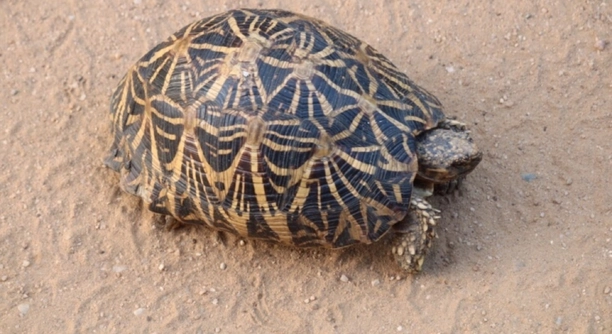
Is your turtle tank struggling to maintain the right humidity levels? Keeping the humidity balanced is essential for your turtle’s health and overall well-being. Too much or too little moisture can lead to respiratory issues, shell problems, and an unhealthy environment.
The best way to keep a turtle tank’s humidity balanced is by using a combination of proper ventilation, substrate choice, misting, and water sources. Monitoring humidity levels with a hygrometer ensures that your turtle’s habitat remains stable and comfortable.
Humidity control plays a crucial role in your turtle’s daily life. Understanding the best methods will help you create a safe and thriving environment for your aquatic companion.
Use a Hygrometer to Monitor Humidity
A hygrometer is essential for keeping track of humidity levels in a turtle tank. It helps you ensure the environment stays within the recommended range of 50–70%. Without proper monitoring, the air can become too dry or too damp, leading to health concerns. Place the hygrometer in an area that accurately represents the tank’s overall humidity, away from direct water sources. Checking it daily allows you to make adjustments as needed. Consistent monitoring helps prevent issues such as respiratory infections, shell rot, and bacterial growth caused by imbalanced humidity levels.
A digital hygrometer provides more accurate readings than an analog one. Many models also include temperature monitoring, which is useful for maintaining a stable tank environment.
By using a hygrometer, you can easily detect any fluctuations in humidity and take action before problems arise. This simple tool ensures your turtle stays comfortable and healthy in its habitat.
Choose the Right Substrate
The type of substrate in your turtle tank plays a big role in maintaining proper humidity. Some materials retain moisture better than others, helping to keep the air balanced without frequent misting.
Coconut fiber, sphagnum moss, and cypress mulch are great choices because they hold moisture well and slowly release it into the air. These substrates also create a natural feel for your turtle and help prevent dryness. Avoid using sand or gravel, as they do not retain moisture and can contribute to low humidity levels. Mixing different substrates can provide a stable balance, ensuring the tank stays within the right range.
Regularly checking the substrate’s moisture level helps maintain consistency. If it dries out too quickly, lightly misting it can help restore humidity. On the other hand, if it stays too wet, increasing ventilation can help reduce excess moisture. Keeping a close eye on your substrate ensures a healthier environment for your turtle.
Maintain Proper Ventilation
Good airflow helps prevent excess humidity and keeps the tank environment fresh. Without proper ventilation, moisture can build up, leading to bacterial growth and mold. Ensuring the tank has a balance between air circulation and humidity retention is key to keeping your turtle comfortable and healthy.
Installing a mesh lid or partial screen cover allows fresh air to enter while still holding in enough moisture. Avoid sealing the tank completely, as this can cause stagnant air and condensation buildup. If humidity drops too low, covering part of the lid with plastic wrap can help retain moisture. Adjusting the ventilation based on the tank’s humidity readings ensures stable conditions.
Positioning the tank in a well-ventilated area also helps regulate moisture. Avoid placing it near heating vents or air conditioners, as these can cause humidity fluctuations. A well-ventilated setup promotes a cleaner and more stable environment.
Mist the Tank as Needed
Misting the tank helps maintain humidity levels, especially in drier climates. Lightly spraying the enclosure with water once or twice a day adds moisture without soaking the substrate. Using dechlorinated or distilled water prevents harmful chemicals from affecting your turtle’s health.
A spray bottle with a fine mist setting evenly distributes moisture throughout the tank. Focus on misting the substrate, decorations, and areas where your turtle spends the most time. Avoid over-misting, as excessive moisture can lead to mold growth and bacterial issues. Keeping a balance between misting and ventilation prevents extreme humidity fluctuations.
Monitoring humidity levels with a hygrometer ensures that misting is done only when necessary. If the humidity remains too low despite misting, adding moisture-retaining elements like moss or a larger water dish can help. Adjusting misting frequency based on the tank’s conditions keeps the environment stable and comfortable for your turtle.
Add a Water Dish to the Tank
A shallow water dish increases humidity by allowing moisture to evaporate into the air. Placing it in a warm area of the tank helps speed up evaporation. Make sure the dish is large enough for your turtle to soak in but not so deep that it becomes a drowning hazard.
Changing the water daily prevents bacteria buildup and keeps the tank clean. Using dechlorinated water ensures no harmful chemicals affect your turtle’s health. If humidity levels remain too low, adding an extra dish or slightly increasing the water temperature can help maintain proper moisture levels.
Avoid Overheating the Tank
Excessive heat dries out the air, causing humidity to drop. Keeping the temperature balanced ensures moisture stays within the recommended range. Using a thermostat to regulate the heat source helps prevent overheating and keeps the environment stable for your turtle.
Keep Live Plants in the Tank
Live plants naturally release moisture, helping to stabilize humidity. Ferns, pothos, and peace lilies are great options that thrive in humid environments. Choosing plants that are safe for turtles prevents accidental ingestion of toxic leaves. Regular misting and proper lighting keep the plants healthy and beneficial for the tank.
FAQ
How often should I check the humidity levels in my turtle tank?
Checking the humidity levels at least once a day ensures the environment stays stable. A quick glance at the hygrometer helps you catch any fluctuations before they become a problem. If your tank struggles with maintaining proper humidity, checking twice a day may be necessary.
What is the ideal humidity range for a turtle tank?
Most turtles thrive in a humidity range of 50–70%. Some species, like box turtles, require slightly higher humidity levels. Keeping the humidity within this range prevents respiratory infections, shell problems, and other health concerns. A stable environment supports your turtle’s overall well-being and prevents unnecessary stress.
Can I use a humidifier to control humidity in my turtle tank?
A humidifier can help maintain moisture levels, especially in dry climates. Placing it near the tank rather than inside prevents excessive moisture buildup. If using one, monitor the humidity with a hygrometer to avoid over-humidifying the enclosure, which can lead to mold and bacterial growth.
Why is my turtle tank’s humidity too high?
Excess humidity is usually caused by poor ventilation, too much misting, or an overly large water dish. Reducing misting frequency, improving airflow with a mesh lid, and adjusting water placement can help lower humidity. Regularly checking for condensation on the walls prevents excessive moisture buildup.
Why is my turtle tank’s humidity too low?
Low humidity is often due to excessive heat, poor substrate choice, or a lack of moisture-retaining elements. Adding a water dish, misting more frequently, and using moisture-holding substrates like moss or coconut fiber can help maintain proper levels. Keeping the tank away from air vents prevents further drying.
What happens if the humidity is too high or too low?
Improper humidity levels can lead to health problems. High humidity encourages mold, bacteria, and shell rot, while low humidity can cause dehydration and respiratory issues. Keeping the environment balanced prevents these problems and ensures your turtle stays healthy and comfortable.
How do I know if my turtle is affected by humidity imbalance?
Signs of humidity-related issues include difficulty breathing, flaky or cracked shell, excessive mucus, or lethargy. If your turtle shows any of these symptoms, adjusting the humidity levels and consulting a veterinarian can help prevent further complications. Monitoring the tank daily helps catch problems early.
Can I use an automatic misting system for my turtle tank?
An automatic misting system can help maintain humidity without frequent manual misting. However, it should be used with caution to avoid over-misting. Setting the timer based on your tank’s needs and regularly checking the humidity ensures the system does not cause excessive moisture buildup.
Does the type of turtle affect humidity needs?
Yes, different species require different humidity levels. Aquatic turtles generally need lower humidity than terrestrial turtles, such as box turtles, which require a more humid environment. Researching your turtle’s specific needs ensures you provide the right conditions for their health.
What should I do if mold starts growing in my turtle tank?
Mold growth is a sign of excess humidity and poor ventilation. Removing mold immediately and improving airflow helps prevent further issues. Reducing misting, using a mesh lid, and cleaning the tank regularly prevent mold from returning and keep the environment safe for your turtle.
Final Thoughts
Keeping your turtle tank’s humidity balanced is essential for your pet’s health. Proper humidity prevents respiratory issues, shell problems, and bacterial growth. Using a hygrometer, misting when needed, choosing the right substrate, and maintaining good ventilation all help keep moisture levels stable. Small adjustments can make a big difference in creating a comfortable environment. Consistently monitoring humidity and making necessary changes ensures that your turtle remains healthy and stress-free.
Every tank setup is different, and factors like room temperature, ventilation, and water sources all affect humidity levels. Paying attention to these details helps you maintain a well-balanced habitat. If the humidity is too low, adding moisture-retaining elements like a water dish or live plants can help. If it is too high, increasing airflow and reducing misting can prevent excess moisture. Finding the right balance takes some effort, but once you establish a routine, maintaining proper humidity becomes much easier.
Providing the right conditions for your turtle improves its overall well-being. A stable environment supports healthy growth, reduces the risk of illness, and allows your turtle to thrive. Making small changes, such as adjusting misting frequency or using better substrates, can have a big impact. Keeping a close eye on humidity levels and making adjustments when needed will help create a safe and comfortable home for your turtle.

Hello,
If you enjoy the content that we create, please consider saying a "Thank You!" by leaving a tip.
Every little bit helps us continue crafting quality advice that supports the health, happiness, and well-being of pets around the world, for pets of all shapes, sizes, and species.
We really appreciate the kindness and support that you show us!