
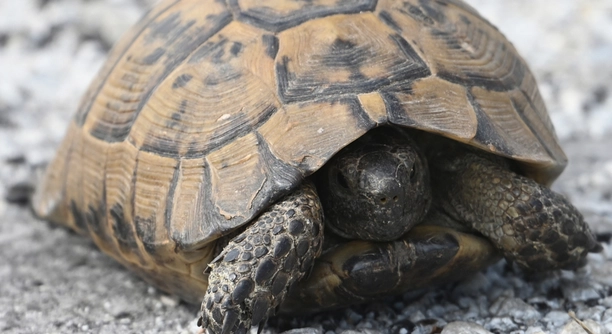
Keeping your Russian Tortoise hydrated is essential for its health and well-being. Proper hydration helps ensure your pet stays active, healthy, and happy. Learning the best ways to keep them hydrated can make a big difference in their care.
The best ways to keep a Russian Tortoise hydrated include offering fresh water daily, providing high-moisture foods, using a shallow water dish, misting the enclosure, and ensuring humidity levels are appropriate. Hydration also supports digestion and overall health.
By taking these simple steps, you can help your Russian Tortoise stay hydrated and thrive in its environment.
Provide Fresh Water Daily
Keeping fresh water available is one of the easiest and most important ways to ensure your Russian Tortoise stays hydrated. Their water dish should be filled every day with clean, room-temperature water. A shallow, sturdy dish works best, so your tortoise can easily access it without tipping it over. You may need to clean the dish frequently to avoid algae build-up, which can make the water unappealing. The tortoise may not drink large amounts, but it’s essential to offer fresh water consistently.
By providing fresh water every day, you’re supporting their hydration needs. Water also aids in digestion and overall health, so it’s a simple yet vital step.
Russian Tortoises are creatures of habit, and they may prefer certain areas for drinking. Observe where they tend to drink and make sure that spot remains clean and accessible. You can also slightly increase the humidity in their environment to help them stay hydrated without drinking excessively.
Offer High-Moisture Foods
Another effective way to hydrate your tortoise is by feeding it foods that are high in moisture content. Vegetables like cucumbers, leafy greens, and bell peppers are all great options. You can even try offering them fruits, such as strawberries or melons. These not only provide hydration but also nutrients.
Ensure that the foods are fresh, as dehydrated or spoiled options can be harmful. A varied diet keeps your tortoise healthy and ensures it’s getting both water and important vitamins.
Russian Tortoises may eat these hydrating foods throughout the day. Keep a balance of dry and wet foods in their diet to make sure they get proper hydration, alongside fiber and other nutrients. It’s a natural way to keep them healthy and hydrated.
Use a Shallow Water Dish
A shallow water dish helps prevent your Russian Tortoise from drowning or spilling the water. The dish should be just deep enough for the tortoise to drink comfortably.
Placing the water dish in a quiet, accessible spot will encourage your tortoise to drink more often. If it’s too deep or too narrow, your pet may avoid it, and dehydration could become an issue. Make sure to clean the dish regularly to ensure it stays fresh.
Keep in mind that a tortoise’s natural habitat doesn’t have large water sources, so providing a shallow dish mimics their natural drinking habits. It encourages your tortoise to drink at its own pace while minimizing the risk of accidents.
Mist the Enclosure
Misting the enclosure helps maintain proper humidity levels, which is another important aspect of hydration. A light misting of water on the tortoise’s substrate encourages moisture absorption through its skin.
Be sure not to overdo it. Excess water can cause mold or cause your tortoise to feel uncomfortable. A quick, gentle misting in the morning and evening should suffice. Also, ensure that the humidity doesn’t exceed what’s comfortable for the tortoise, as overly wet conditions can lead to health problems.
Maintaining proper humidity also supports your Russian Tortoise’s natural behaviors, such as burrowing. The mist encourages these behaviors, which are linked to hydration and overall wellness. Keeping the environment slightly damp, but not soaked, ensures a balance that’s comfortable for your pet.
Provide Proper Humidity Levels
Maintaining the right humidity levels is essential for your Russian Tortoise. Aim for humidity around 40-60%. This ensures they get the moisture they need without causing health issues.
Too much humidity can lead to respiratory problems, so be mindful of the levels. A hygrometer can help monitor the environment. A slight increase in humidity supports hydration and healthy skin.
Offer Soaked Foods
Soaking some of your tortoise’s foods, like leafy greens or flowers, can help add extra moisture to their diet. Soak the foods for about 10-15 minutes before feeding.
This is particularly helpful if your tortoise is reluctant to drink water. Offering soaked foods is an easy way to boost their hydration while also providing variety in their diet.
FAQ
How much water should I give my Russian Tortoise?
Your Russian Tortoise does not need large amounts of water, but it’s essential to offer fresh water daily. A shallow dish, filled with enough water for the tortoise to drink from comfortably, should be available at all times. The tortoise may not drink much, but it will hydrate as needed throughout the day. You can check if your tortoise is hydrated by observing its skin and overall health—dry or flaky skin may indicate dehydration.
Can I use tap water for my tortoise?
Yes, tap water is generally safe for your tortoise. However, it’s best to let the water sit for a while to allow chlorine to dissipate, or you can use a water conditioner. If your water has high levels of minerals or chemicals, it’s a good idea to filter it before offering it to your tortoise. Clean, fresh water is crucial for their hydration and overall health.
How do I know if my Russian Tortoise is dehydrated?
Signs of dehydration in a Russian Tortoise include dry, wrinkled skin, lethargy, and loss of appetite. You might also notice that your tortoise is not defecating regularly, as dehydration can affect digestion. If your tortoise is drinking less or appears weak, you should address hydration issues quickly.
Can I give my Russian Tortoise a bath to hydrate it?
Yes, bathing your Russian Tortoise in lukewarm water can help with hydration. Place the tortoise in shallow water that covers its legs but not its head. Let it soak for about 15-20 minutes, allowing it to absorb moisture through its skin. After the bath, make sure your tortoise dries off before returning to its enclosure.
Should I mist my Russian Tortoise every day?
Misting can be beneficial, but it should be done in moderation. Misting the enclosure once or twice a day is typically enough to maintain a proper humidity level. If your tortoise is kept in an arid environment, misting helps prevent dehydration and dry skin. Just be sure not to overdo it, as excessive moisture can lead to mold growth or respiratory issues.
What is the best food to keep my Russian Tortoise hydrated?
High-moisture foods are the best for hydration. Leafy greens like collard greens, dandelion greens, and romaine lettuce are great choices. You can also offer cucumbers, bell peppers, and melons. These foods not only provide hydration but also important nutrients. Make sure the food is fresh and clean before serving it to your tortoise.
Can I use a humidifier for my Russian Tortoise?
A humidifier can be a helpful tool for maintaining humidity levels in your tortoise’s enclosure. It helps maintain a consistent level of moisture in the air, especially if the ambient humidity in your home is low. Just be sure not to overdo it. Aim for a humidity range of 40-60%, as too much moisture can lead to respiratory issues or other health problems.
How can I encourage my Russian Tortoise to drink more water?
Some tortoises are naturally hesitant to drink from a dish. To encourage drinking, try soaking some of their food or offering a shallow, larger dish. You can also place the dish in a quieter part of their enclosure, where they may feel more comfortable. Keep an eye on your tortoise to see if it starts drinking more with these adjustments.
How often should I change my tortoise’s water?
It’s best to change your tortoise’s water daily to ensure it stays clean and fresh. Algae can quickly build up in stagnant water, and your tortoise may avoid drinking it if it becomes dirty. A clean, fresh supply of water encourages hydration and prevents illness.
Can I give my tortoise water from a bottle or fountain?
Using a bottle or fountain is fine as long as it’s designed for reptiles. However, many tortoises prefer to drink from a dish, as it allows them to drink at their own pace. If you use a fountain, make sure the water is flowing gently and is easy for your tortoise to access.
Final Thoughts
Ensuring that your Russian Tortoise stays properly hydrated is essential for its overall health and well-being. While they don’t need large amounts of water, a steady supply of fresh water and hydrating foods plays a key role in keeping them healthy. Offering water daily in a shallow dish is an easy way to make sure they have access to it whenever needed. It’s also important to maintain appropriate humidity levels and mist their enclosure regularly to support hydration. The combination of these practices helps prevent dehydration and promotes a more comfortable environment for your tortoise.
Hydrating your tortoise isn’t just about providing water, but also about creating an environment that supports its natural behaviors. Offering high-moisture foods, like leafy greens and fruits, can help increase hydration levels and ensure they get the nutrients they need. Additionally, soaking some of their food or providing a bath can encourage them to drink more water, especially if they’re not keen on drinking from their dish. By offering a variety of hydration options, you’re more likely to meet their needs without causing stress or discomfort.
Ultimately, proper hydration supports not only your Russian Tortoise’s physical health but also its digestion and behavior. A dehydrated tortoise may become lethargic or develop issues with its skin and overall condition. By maintaining daily water offerings, providing hydrating foods, and managing humidity, you can make sure your tortoise stays healthy and active. This routine also allows you to catch any potential hydration issues early before they turn into more serious problems. Keeping your tortoise hydrated is simple, but it makes a significant difference in their care.

Hello,
If you enjoy the content that we create, please consider saying a "Thank You!" by leaving a tip.
Every little bit helps us continue crafting quality advice that supports the health, happiness, and well-being of pets around the world, for pets of all shapes, sizes, and species.
We really appreciate the kindness and support that you show us!