
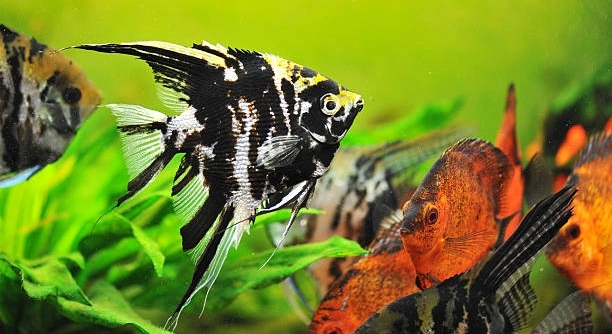
Keeping an angelfish tank clean and healthy can sometimes feel like a challenging task. Maintaining the right balance in water quality and ensuring the well-being of your fish is important for their health and longevity.
The best ways to keep an angelfish tank clean and healthy include regular water changes, proper filtration, routine tank maintenance, balanced feeding, and avoiding overstocking. Regularly monitoring water parameters such as pH, ammonia, and nitrate levels also ensures a stable and safe environment.
These simple practices will help ensure your angelfish thrive in a clean and healthy tank. By incorporating these strategies into your regular routine, you can provide the ideal environment for your fish.
Regular Water Changes
Keeping the water clean is one of the most important aspects of maintaining a healthy angelfish tank. Changing the water regularly helps remove toxins and excess nutrients, which can cause algae growth and harm the fish. It’s essential to replace about 20-30% of the water every week to ensure proper water quality. Use a siphon to clean the substrate, removing any leftover food or waste. Always ensure that the water you add is dechlorinated and has a similar temperature to the tank. This minimizes stress on the fish and keeps their environment stable. By establishing a routine water change schedule, you can prevent potential problems that may arise from dirty water.
A consistent water change schedule will help maintain healthy water conditions. This practice significantly reduces the risk of harmful chemical build-up and supports the overall health of your angelfish.
Make sure to monitor the water temperature and pH before adding the new water to the tank. A drastic change in temperature or pH can shock your angelfish and cause stress. Additionally, water conditioners can help neutralize chlorine and chloramine found in tap water. By keeping the tank’s water stable and clean, your fish will flourish, leading to a healthier and happier environment. Regular water changes are a simple yet effective way to keep your tank in top condition.
Proper Filtration
A good filtration system is crucial for the health of your tank. A high-quality filter removes debris, waste, and toxins from the water. Without a filter, the water would quickly become polluted, which could harm your angelfish. Choose a filter that matches the size of your tank, and make sure it is efficient at maintaining clean water.
A filter should be cleaned regularly to ensure it functions well. Clean the filter media at least once a month, depending on the type of filter you use. Avoid cleaning all parts of the filter at once, as beneficial bacteria could be lost. These bacteria help break down waste and keep the water safe for your fish. If your filter is working well, your tank will stay cleaner longer, reducing the need for frequent water changes.
For best results, ensure your filter is appropriately sized for your tank. If the current filter doesn’t seem to be working as effectively, it may be time to upgrade. Proper filtration will not only keep the water clear but also improve oxygen flow, ensuring your angelfish stay healthy and active.
Balanced Feeding
Overfeeding angelfish can lead to water contamination and health problems. It’s essential to feed them in moderation. Offer small portions of food once or twice a day, ensuring they eat everything within a few minutes. Leftover food decays, causing a spike in ammonia levels.
If you’re unsure about how much to feed, start with a small amount and observe. The fish will let you know if they’re still hungry. If food is left behind, you’ve probably given too much. It’s better to underfeed slightly than overfeed, as excess food can quickly pollute the tank.
Variety is also important in their diet. Angelfish enjoy a mix of high-quality flakes, pellets, and occasional live or frozen food. This ensures they receive all the nutrients they need. Avoid offering food that sinks too quickly, as it may lead to poor water quality. Stick to healthy, well-balanced options to keep your fish in top shape.
Avoid Overcrowding
Overcrowding can lead to stress, poor water quality, and potential health problems for angelfish. It’s important to stick to the recommended stocking levels for your tank size. A general guideline is one inch of fish per gallon of water, but consider the size of adult angelfish when calculating.
With fewer fish, each one has more space to swim and establish its territory. This reduces the chances of aggression and keeps them healthier. Overcrowding not only strains the fish but also puts more stress on the filtration system, which has to work harder to maintain water quality.
Maintaining a comfortable number of fish ensures your tank remains balanced. Angelfish thrive in peaceful environments with adequate space to move freely. Overcrowding can lead to increased competition for food and hiding spots. A balanced tank will provide a stable, healthier environment, contributing to the well-being of your angelfish.
Regular Tank Maintenance
Cleaning the tank regularly is essential to prevent algae growth and maintain a healthy environment. Wipe down the glass to remove any buildup and vacuum the substrate to clear debris. Keeping the tank clean prevents unwanted bacteria and keeps the water clear.
Don’t forget to clean the decorations and plants as well. These can trap waste and debris, affecting water quality. It’s important to inspect them during maintenance to ensure they’re free of algae or other contaminants. Regular maintenance helps you avoid major issues that could arise from neglect.
In addition to cleaning, check your equipment during each maintenance session. Ensure the filter is running smoothly, and the heater is working properly. Maintaining these components prevents malfunction and keeps the tank in optimal condition for your angelfish. Small tasks add up to a healthier environment.
Monitoring Water Parameters
Monitoring water parameters is a crucial part of maintaining a healthy angelfish tank. Keep an eye on the pH, ammonia, nitrate, and nitrite levels. Ammonia and nitrite should always be at 0 ppm, while nitrates should be under 20 ppm for a safe environment.
Using a test kit will help you stay on top of any changes in water quality. Regular testing ensures the water stays within the proper range for your fish. If you notice any spikes in harmful substances, act quickly to correct the issue, whether it’s by performing water changes or adjusting filtration.
Changes in water parameters can be subtle, so consistent monitoring is essential. A slight imbalance could stress your fish or cause health problems over time. Testing the water weekly helps prevent surprises and ensures your angelfish are living in the best possible conditions.
Proper Tank Lighting
Angelfish require proper lighting to stay healthy. Ensure the tank has a lighting system that mimics natural light cycles. Too much light can lead to algae growth, while too little can affect your fish’s well-being.
Stick to a light schedule of around 10 to 12 hours a day. This helps regulate the fish’s internal clock and promotes healthy activity. Avoid leaving the lights on for extended periods to prevent algae growth and ensure the tank remains stable. Proper lighting not only benefits the fish but enhances the overall aesthetic of your tank.
FAQ
How often should I change the water in my angelfish tank?
You should change 20-30% of the water every week. This helps to keep the water clean and remove toxins like ammonia and nitrates. Regular water changes ensure the health of your angelfish by maintaining a stable environment. If your tank is heavily stocked or if you feed a lot, you might need to change the water more frequently.
Can I use tap water in my angelfish tank?
Yes, but it’s important to treat tap water before adding it to the tank. Tap water often contains chlorine or chloramine, which can harm your fish. Use a water conditioner to neutralize these chemicals and ensure the water is safe. Always check the water’s temperature and pH before adding it to the tank to prevent shocking the fish.
What type of filter is best for an angelfish tank?
A good filter should be able to handle the size of your tank and provide proper water circulation without being too strong for the fish. A hang-on-back or canister filter is usually a good choice. It’s essential to clean the filter media regularly but avoid washing all of it at once to preserve beneficial bacteria.
How much should I feed my angelfish?
Feed your angelfish only as much as they can eat in about 2-3 minutes. Overfeeding can lead to water pollution, so it’s better to feed smaller portions more frequently. Two small feedings per day are usually enough. Avoid feeding them more than they can consume, as leftover food can degrade water quality.
Can I keep angelfish with other species?
Yes, angelfish are generally peaceful but can be territorial. It’s best to keep them with other peaceful species that are similar in size. Avoid placing them with overly aggressive fish, as they may cause stress. Good tankmates include tetras, corydoras catfish, and small gouramis.
What temperature should I keep my angelfish tank at?
Angelfish thrive in temperatures between 76°F and 82°F (24°C to 28°C). Keeping the temperature within this range helps them stay active and healthy. Ensure your tank heater is reliable and maintain the temperature consistently. Rapid changes in water temperature can stress your fish, leading to health issues.
Why are my angelfish not eating?
There are a few possible reasons your angelfish may not be eating. They could be stressed due to changes in their environment or water parameters. Illness is another factor to consider. Ensure your water quality is optimal, and try offering different types of food to see if they’re more interested. If the behavior persists, check for signs of disease and consider isolating the fish for treatment.
How do I know if my angelfish is sick?
Signs of illness include loss of appetite, faded color, abnormal swimming behavior, or visible marks on their body. If your angelfish starts isolating itself from the others or staying near the surface, it could indicate stress or disease. It’s important to monitor the fish and check the water parameters. If you notice any concerning symptoms, consult an aquarium professional for advice.
Can I keep angelfish in a small tank?
Angelfish need space to swim, so it’s best to provide them with a tank of at least 20 gallons for a single fish. Larger tanks are even better, especially if you plan to keep more than one. Small tanks limit the swimming area, which can cause stress and negatively impact the fish’s health.
What should I do if my angelfish is acting aggressively?
Aggression is common, especially when angelfish feel territorial or stressed. Ensure they have enough space in the tank to establish their territory. If aggression is a problem, rearrange the tank’s decorations to disrupt established territories. Also, check the water quality and ensure no other fish are causing stress.
How can I prevent algae growth in my angelfish tank?
Algae thrive in tanks with excess light and nutrients. Reduce the amount of time the lights are on to about 10-12 hours a day. Perform regular water changes to reduce excess nutrients, and consider adding algae-eating fish like nerite snails or otocinclus catfish. Proper filtration will also help keep the tank clean.
Can I breed angelfish in my tank?
Breeding angelfish is possible with the right conditions. You’ll need a separate breeding tank or a spacious, well-maintained tank with suitable hiding places. The water should be soft and slightly acidic, with a temperature around 80°F (27°C). Be prepared for the fry, and ensure they have suitable food to grow healthy.
Do angelfish need plants in their tank?
While angelfish don’t need plants to survive, they benefit from the presence of live plants. Plants help improve water quality by absorbing excess nutrients. They also provide hiding spots and reduce stress by mimicking natural environments. Low-light plants like Anubias or Java fern are great choices for an angelfish tank.
Why is my angelfish hiding all the time?
If your angelfish is constantly hiding, it could be due to stress, poor water conditions, or illness. Check the water quality and make sure it’s within the proper range. Also, make sure the tank isn’t overcrowded and that your fish aren’t being harassed by tankmates. If the problem persists, observe the fish for any signs of disease.
Can angelfish live with goldfish?
It’s not ideal to keep angelfish with goldfish. Goldfish are cold-water fish, while angelfish thrive in warmer water. Goldfish are also often larger and can be more aggressive, which could lead to stress for your angelfish. It’s better to house them with similar tropical fish to ensure their well-being.
Final Thoughts
Keeping a clean and healthy tank is essential for the well-being of your angelfish. Regular maintenance, such as water changes, tank cleaning, and monitoring water parameters, helps prevent issues before they arise. By sticking to a routine, you ensure that your angelfish live in an environment that supports their growth and health. Small efforts add up, and consistent care can lead to long-term success. Healthy water conditions and a stable environment are key factors in maintaining the beauty and health of your angelfish.
In addition to regular maintenance, choosing the right tank setup, filtration, and lighting will further promote a healthy environment. Selecting appropriate tankmates and avoiding overcrowding is important to reduce stress. Keeping the tank well-planted and maintaining the right temperature will also help angelfish feel at home. Angelfish are beautiful and relatively easy to care for when given the right environment. By understanding their needs, you create a thriving space where they can flourish. It’s about balance – ensuring they have clean water, proper space, and good water conditions.
Maintaining a healthy angelfish tank doesn’t have to be complicated. The most important steps are consistent care and observation. Keep an eye on water quality, feed them properly, and make sure their environment stays clean and peaceful. If you encounter any issues, address them early to prevent stress or illness. With patience and the right approach, your angelfish can live long, healthy lives. Keep the basics in mind, and you’ll enjoy watching your angelfish thrive in a well-kept tank.

Hello,
If you enjoy the content that we create, please consider saying a "Thank You!" by leaving a tip.
Every little bit helps us continue crafting quality advice that supports the health, happiness, and well-being of pets around the world, for pets of all shapes, sizes, and species.
We really appreciate the kindness and support that you show us!