
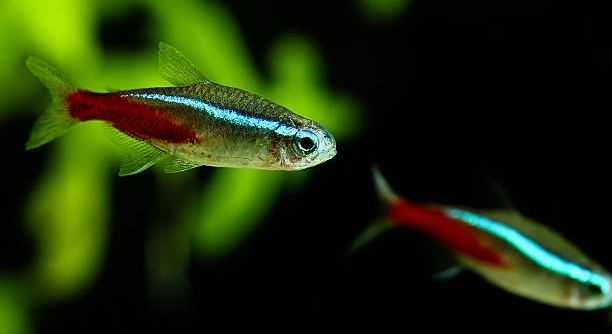
Adding plants to a Tetra tank can improve its look and help the fish feel comfortable. Many hobbyists want their tanks to have natural greenery but wonder how to start. This article shares simple ways to introduce plants safely and effectively.
Introducing plants to Tetra tanks requires choosing suitable species, preparing the plants properly, and placing them in the right environment. Gradual acclimation helps avoid shock to both plants and fish, ensuring a balanced and healthy aquarium ecosystem.
Learning these steps can help your tank thrive and keep your Tetras happy. The following methods offer clear guidance on making plants part of your aquatic setup.
Choosing the Right Plants for Tetra Tanks
Selecting plants that thrive in Tetra tanks is essential for a healthy environment. Tetras prefer calm water with moderate light, so plants that do well in low to medium lighting are ideal. Species like Java Fern, Anubias, and Amazon Sword are popular choices because they are hardy and require minimal care. These plants can attach to rocks or driftwood, reducing the need for substrate planting, which can disturb the tank’s setup. Avoid fragile or high-light plants that may struggle in typical Tetra conditions. Choosing the right plants from the start makes maintenance easier and keeps your fish comfortable.
Healthy plants support water quality by absorbing nitrates and offering shelter to fish. They also create a more natural habitat, reducing stress in Tetras and promoting their well-being.
Knowing which plants suit your tank helps create a balanced environment. This step is key before adding any new greenery to your aquarium.
Preparing Plants Before Adding Them
Rinsing plants thoroughly is important to remove pests and unwanted substances. It’s best to soak them in dechlorinated water to wash off any fertilizers or chemicals. Trimming dead or damaged leaves before planting improves overall health. Some plants come with a hard root ball; gently loosening the roots encourages faster growth. Avoid planting too deeply, as this can harm roots and increase decay. When handling plants, be gentle to prevent breaking delicate parts.
Proper preparation reduces the risk of introducing diseases or algae into the tank.
Taking time to prepare plants ensures they adapt smoothly and support a clean, thriving aquarium environment. This care also helps fish stay healthy.
Gradual Introduction for Best Results
Adding plants slowly over several days helps the aquarium adjust without sudden changes. Introducing many plants at once can affect water chemistry and cause stress to fish. Start by adding a few plants, then observe how the tank responds. Gradually increase the number after a few days if everything stays stable. This method prevents large swings in oxygen or nutrient levels, maintaining balance. Slowly planted tanks also make it easier to monitor plant health and spot problems early.
By pacing the introduction, you give both plants and Tetras a better chance to thrive together in harmony.
Proper Placement and Lighting
Plants need to be placed thoughtfully in the tank to get enough light and space. Avoid overcrowding to allow fish to swim freely. Low-light plants should be in shaded areas, while species needing more light can go closer to the surface. Tetras prefer moderate lighting, so avoid very bright bulbs that might stress them or encourage algae growth. Using a timer can help maintain consistent light periods, usually 8 to 10 hours per day, which supports plant photosynthesis without overdoing it.
Balancing light and space creates a comfortable environment for plants and fish alike.
Maintaining Plant Health in Tetra Tanks
Once plants are established, keeping them healthy requires regular care. Remove dead leaves to prevent decay and algae buildup. Monitor water parameters like pH and nitrate levels, as unhealthy water harms plants and fish. Fertilizing may be needed occasionally, but use aquarium-safe products to avoid toxicity. Trim fast-growing plants to maintain balance and prevent overcrowding. Checking for pests like snails or algae early can prevent infestations. Regular water changes also support plant and fish health by reducing waste and keeping nutrients balanced.
Maintaining plants in a Tetra tank promotes a stable environment where both can thrive. A little care goes a long way in keeping your aquarium looking fresh and natural.
Monitoring Water Quality Closely
Keeping water quality stable is crucial when introducing plants to Tetra tanks. Sudden changes can stress fish and harm plants. Regular testing helps catch problems early.
Testing water for ammonia, nitrites, nitrates, and pH ensures the environment remains safe. Plants absorb some nitrates, but overfeeding or poor filtration can cause spikes. Keeping the water clean with partial changes supports both plants and fish. Monitoring helps maintain balance and prevents harmful conditions that affect growth and health.
A steady environment means fewer surprises. Watching water quality closely allows you to catch issues before they become serious, protecting your tank’s ecosystem. This is especially important during the first weeks after planting, when the tank adjusts to new biological demands.
Using Aquarium Substrate Correctly
Choosing the right substrate supports plant roots and overall tank health. Gravel and nutrient-rich substrates each serve different purposes. Gravel offers good water flow but fewer nutrients. Nutrient-rich substrates feed plants but may need careful cleaning. Mixing types can work well, giving roots stability and nutrition. Avoid substrates that release harmful chemicals or cloud water.
Plant roots need space and nutrients to grow strong. Proper substrate prevents plants from uprooting and helps filter water. It also keeps debris from settling around roots, reducing decay risks. Knowing what substrate fits your plants and fish creates a better growing environment.
A well-chosen substrate supports both plants and Tetras by balancing stability, nutrients, and cleanliness. It is a foundation for a thriving planted tank. Careful substrate selection leads to healthier plants and a more natural look in your aquarium.
Avoiding Overcrowding the Tank
Overcrowding plants can limit swimming space for Tetras and reduce water flow. Give each plant enough room to grow without blocking fish movement.
Proper spacing also helps prevent decay and algae buildup by allowing light and nutrients to reach all parts of the tank. Balanced planting supports a healthy environment.
Regular Trimming and Care
Trimming plants regularly stops overgrowth and keeps the tank neat. Removing dead leaves prevents decay that can harm water quality.
Healthy plants grow faster and provide better shelter for fish. Trimming also encourages new growth and keeps the aquarium looking fresh and balanced.
Avoiding Algae Growth
Algae can quickly take over if light or nutrients are unbalanced. Controlling light exposure and not overfeeding fish helps limit algae growth.
Keeping algae in check protects plants and keeps the tank clean.
FAQ
How do I know which plants are safe for Tetra tanks?
Choosing safe plants means looking for hardy species that tolerate low to medium light and stable water conditions. Java Fern, Anubias, and Amazon Sword are reliable choices. These plants don’t need special care or intense lighting, making them suitable companions for Tetras. Avoid delicate or high-maintenance plants that might struggle in typical Tetra environments. Checking compatibility helps prevent stress for both fish and plants.
Can I add plants directly from a store into my tank?
It’s best to prepare plants before adding them. Rinse them thoroughly to remove any pesticides or algae. Soak them in dechlorinated water for a few hours to wash off fertilizers or contaminants. Trim any damaged leaves to promote healthy growth. Preparing plants reduces the risk of introducing pests or diseases to your tank. This step protects both plants and fish.
How many plants should I add at once?
Adding plants slowly is important. Start with a few and wait several days to see how the tank adjusts. Gradually add more if water quality and fish behavior remain stable. Introducing too many plants at once can cause fluctuations in water chemistry. Slow addition helps keep a balanced environment and reduces stress for Tetras.
What kind of lighting do Tetra tanks need for plants?
Moderate lighting is usually best for Tetra tanks. Most suitable plants do well in low to medium light levels. Avoid bright or intense lighting, which can stress fish and encourage algae growth. Using a timer to provide 8 to 10 hours of light daily helps maintain a consistent schedule. Balanced lighting supports healthy plants without harming fish.
How do I maintain water quality after adding plants?
Test your water regularly for ammonia, nitrites, nitrates, and pH levels. Plants absorb some nitrates, but overfeeding or poor filtration can still cause problems. Perform partial water changes to keep the environment clean. Avoid sudden changes to water parameters, as these can stress fish and plants. Monitoring water quality closely is key to a thriving tank.
What substrate works best for planted Tetra tanks?
A mix of gravel and nutrient-rich substrate often works well. Gravel offers good water flow and stability, while nutrient-rich substrate feeds plant roots. Choose substrates free from harmful chemicals or clouding agents. Proper substrate supports root growth and prevents plants from uprooting. It also helps maintain water clarity and balance.
How often should I trim my plants?
Regular trimming keeps plants healthy and the tank looking tidy. Remove dead or decaying leaves to prevent waste buildup. Trimming fast-growing plants encourages new shoots and prevents overcrowding. Aim to trim every few weeks or as needed based on plant growth. Well-maintained plants improve water quality and provide better shelter for fish.
How can I control algae in my planted tank?
Control algae by managing light exposure and nutrients. Avoid leaving lights on too long and do not overfeed fish. Regular water changes remove excess nutrients that algae feed on. Introducing algae-eating fish or snails can help keep growth in check. Keeping a balanced environment is the best way to prevent algae problems.
Can Tetras harm the plants?
Tetras are generally peaceful and do not damage plants. They often appreciate the shelter plants provide and will avoid uprooting. However, some Tetra species may nibble on delicate plants occasionally. Choosing hardy plants and providing enough hiding spots helps reduce this behavior. Most of the time, plants and Tetras coexist well.
What should I do if plants start to die after introduction?
If plants weaken or die, check water parameters and lighting first. Poor water quality or too much light can cause stress. Remove dead material quickly to avoid decay affecting the tank. Consider adjusting care routines like trimming, fertilizing, or changing substrate. Sometimes changing plant species to more suitable ones helps improve survival.
Is it necessary to use fertilizers in a Tetra tank?
Fertilizers can benefit plants but must be used carefully. Over-fertilizing can harm fish by increasing toxins. Use aquarium-safe products designed for planted tanks, and follow instructions closely. Many hardy plants grow well without added fertilizers if the tank has enough natural nutrients. Monitoring plant health helps decide if fertilizing is needed.
Adding plants to a Tetra tank can bring many benefits. Plants improve the look of the aquarium by adding natural greenery and creating a more peaceful setting for the fish. They also help maintain water quality by absorbing nitrates and other waste products. When choosing plants, it is important to select species that can thrive in the same conditions as Tetras. Hardy plants like Java Fern and Anubias are good examples because they need low to moderate light and are easy to care for. Taking time to pick the right plants will make the whole tank healthier and easier to maintain.
Introducing plants should be done carefully and gradually. Rinsing and trimming plants before adding them helps prevent pests and diseases from entering the tank. Adding too many plants at once can cause sudden changes in water chemistry, which may stress the fish. A slow and steady approach allows the tank environment to adjust and keeps fish comfortable. Proper lighting and substrate choices also play important roles in helping plants grow well. Maintaining good water quality with regular testing and partial water changes supports both plants and Tetras over time. Paying attention to these details will keep your aquarium balanced and thriving.
Once plants are established, ongoing care is needed to keep them healthy. Regular trimming removes dead leaves and prevents overcrowding, which can harm both plants and fish. Controlling algae growth is important because algae can compete with plants for nutrients and light. Avoiding overfeeding and using the right light schedule helps limit algae problems. Watching water parameters closely and making adjustments as needed will support the tank’s overall health. With proper care, plants and Tetras can live together in a natural and peaceful environment that benefits both. The effort put into planting your tank will pay off with a beautiful and healthy aquatic space.

Hello,
If you enjoy the content that we create, please consider saying a "Thank You!" by leaving a tip.
Every little bit helps us continue crafting quality advice that supports the health, happiness, and well-being of pets around the world, for pets of all shapes, sizes, and species.
We really appreciate the kindness and support that you show us!