
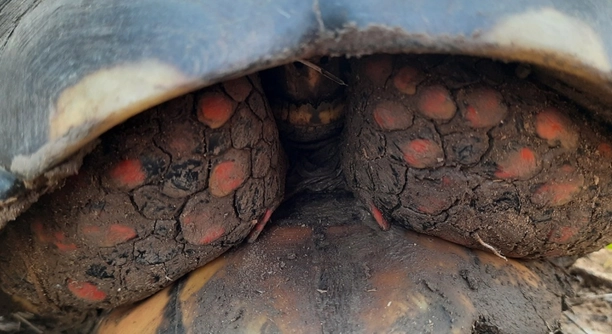
Maintaining a healthy appetite in your red-footed tortoise is essential for its overall well-being. If you notice your tortoise eating less than usual, it could be time to explore ways to improve its eating habits.
To improve your red-footed tortoise’s appetite, ensure that its environment is appropriate, provide a variety of fresh, nutritious foods, and consider introducing feeding routines. Offering a mix of fruits, vegetables, and insects can stimulate interest and appetite.
Understanding these key factors will help you address any issues your tortoise may have while maintaining its health and happiness.
Proper Habitat Conditions
Creating the right environment for your red-footed tortoise is crucial. A clean, safe, and comfortable habitat encourages your tortoise to eat more regularly. Ensure its enclosure is spacious with proper humidity, temperature, and lighting. A consistent day-night cycle with a basking area promotes healthy digestion and a healthy appetite.
A comfortable habitat allows your tortoise to feel secure. Without the right conditions, stress can lead to reduced eating habits. A proper heat source will help stimulate digestion and appetite.
Proper humidity also plays a role in maintaining your tortoise’s health. When humidity levels are too low or too high, it can affect appetite. Ensure the enclosure provides a balance of heat, humidity, and a safe, clean environment to promote feeding.
Nutritional Variety
Variety is key when it comes to feeding your red-footed tortoise. Offering a diverse diet helps keep their interest and provides essential nutrients. Fresh vegetables, fruits, and safe plants should be included regularly. Including insects and proteins will balance their nutrition needs.
A mix of leafy greens, such as dandelion greens and collard greens, can be added to their diet. Along with vegetables like carrots, squash, and zucchini, tortoises benefit from fruits like papaya and mango. Rotating different food items can prevent them from becoming picky eaters.
Adding variety also reduces the risk of nutritional deficiencies, ensuring they get the vitamins and minerals needed for growth and overall health. When tortoises aren’t exposed to new foods, they may lose interest in eating altogether. Experimenting with different foods and textures can help encourage feeding.
Feeding Routine
Establishing a feeding routine is important for your red-footed tortoise. Feeding at the same time each day creates consistency. This habit can help regulate their appetite and reduce stress related to unpredictable feeding schedules.
Tortoises thrive on routine, and a set time encourages them to anticipate meals, stimulating their appetite. They may become more active and engaged when they expect food. It’s also helpful to keep feeding areas clean and free from distractions. By feeding them at regular intervals, you can observe patterns in their eating habits.
Try to stick to the same time each day, but also be mindful of how your tortoise responds. If it seems to show more interest during certain times, adjust accordingly. Stability in feeding helps reduce anxiety and maintain a healthy appetite.
Supplementing with Vitamins
Sometimes, a red-footed tortoise’s appetite can suffer from nutritional deficiencies. Supplementing with vitamins and minerals can make a significant difference. Using proper supplements ensures that your tortoise receives everything needed for growth and digestion.
A balanced vitamin supplement, rich in calcium and other essential nutrients, may encourage better eating habits. These supplements support shell development and overall health. Over time, proper supplementation can improve the tortoise’s appetite, especially when food choices are limited or lack specific nutrients.
Make sure to follow the correct dosage as instructed by a veterinarian. Over-supplementing can lead to other health issues. Introducing supplements gradually can also help your tortoise adjust to the change without overwhelming its system.
Reducing Stress
Stress can significantly impact your red-footed tortoise’s appetite. Too much noise, sudden changes, or lack of hiding spaces can cause anxiety, leading to a decrease in food intake. Reducing these stressors will help your tortoise feel secure and more likely to eat.
Provide a quiet, stable environment for your tortoise. Avoid frequent handling, and minimize loud noises in their habitat. Adding a few hiding spots can give your tortoise the space it needs to retreat and relax. Creating a calm atmosphere will encourage your tortoise to eat without feeling threatened.
Hydration
Adequate hydration is essential for maintaining a healthy appetite. When your tortoise is dehydrated, it may not feel like eating. Make sure there’s always fresh water available for them to drink, and consider soaking your tortoise a few times a week.
Water encourages digestion and keeps their metabolism running smoothly. Tortoises naturally drink water from standing pools or shallow dishes, so providing a suitable water source is key. Additionally, offering moist food can help improve hydration levels. When properly hydrated, your tortoise’s appetite should improve, along with overall health.
Temperature Regulation
The temperature in your tortoise’s environment directly affects its appetite. When the enclosure is too cold, your tortoise’s metabolism slows down, making it less likely to eat. Ensure the habitat has a warm basking area to encourage feeding.
Providing a consistent temperature range, with a cooler zone for resting and a warmer area for basking, will help stimulate your tortoise’s appetite. The ideal basking temperature should be around 90°F, with a cooler side around 75°F. Regularly monitor the temperature to ensure your tortoise stays comfortable and active, which will promote a better eating routine.
FAQ
How can I tell if my red-footed tortoise is not eating enough?
If your tortoise is not eating enough, signs may include weight loss, lethargy, or a noticeable decrease in food intake. You might also see it avoiding food altogether or showing little interest in meals. A healthy tortoise should have a consistent appetite and stay active. Keep track of its eating habits and weight to ensure it’s receiving enough nutrition. If concerns arise, consulting a vet is important for proper diagnosis and care.
What should I do if my red-footed tortoise is not eating at all?
If your tortoise has stopped eating completely, first check its environment for any issues. Stress, improper temperature, or lack of suitable food can affect its appetite. If the habitat conditions seem fine, consider whether your tortoise may be ill or experiencing a nutritional deficiency. Ensure it has access to fresh, varied food and clean water. If the refusal to eat persists for more than a few days, seek advice from a vet to rule out any medical conditions.
Is it normal for a red-footed tortoise to stop eating during the winter?
Yes, it is normal for red-footed tortoises to eat less or stop eating altogether during colder months, especially if they are entering a period of brumation. This is a natural behavior, similar to hibernation, where they reduce activity and food intake. However, ensure the temperature in their enclosure stays within an appropriate range to prevent health issues. If your tortoise is not eating during winter but is otherwise healthy, it’s likely part of this natural cycle. If you notice signs of illness or prolonged lack of eating, consult a vet.
What foods are best for improving my tortoise’s appetite?
A variety of fresh vegetables, fruits, and safe plants can encourage your tortoise to eat. Red-footed tortoises particularly enjoy leafy greens such as dandelion greens, collard greens, and mustard greens. Offering small amounts of fruit like mango or papaya can also make meals more enticing. Occasionally adding insects, such as crickets or mealworms, can help stimulate appetite by providing protein. Rotate the food items to maintain interest and nutritional balance. Ensure all foods are pesticide-free and fresh to prevent digestive issues.
How often should I feed my red-footed tortoise?
A red-footed tortoise should be fed every day to maintain a healthy diet. Young tortoises generally require more frequent meals, while adults may be fed every other day depending on their size and activity level. Offering a consistent feeding schedule will help regulate their appetite and ensure they get the necessary nutrients. Always monitor your tortoise’s weight and eating habits to determine if adjustments are needed. Overfeeding can lead to obesity, while underfeeding can cause malnutrition.
Can I feed my red-footed tortoise commercial tortoise food?
Commercial tortoise food can be used as a supplement to a varied diet but should not replace fresh, whole foods. Look for high-quality commercial pellets that are specifically designed for red-footed tortoises, as they provide balanced nutrition. However, it’s important to ensure your tortoise also has access to fresh vegetables, fruits, and natural forage. Commercial food should be used sparingly, and you should always check the ingredient list for additives or preservatives that may not be suitable for your tortoise’s health.
How do I encourage my tortoise to eat more during the warmer months?
During warmer months, red-footed tortoises tend to be more active and may require more food to sustain their energy levels. To encourage appetite, make sure your tortoise’s enclosure is clean, the temperature is appropriate, and the food is fresh and varied. You can also introduce a mix of protein-rich foods like insects and more water-rich vegetables like cucumbers or squash to encourage hydration and eating. Regular feeding at the same time each day can also help your tortoise develop a healthy eating routine.
What can I do if my tortoise refuses to eat a particular type of food?
If your tortoise refuses a specific food, try offering it at a different time or mixing it with other more favored foods. Some tortoises are picky eaters and may avoid certain vegetables or fruits. Gradually introducing new foods alongside the familiar ones can encourage them to try something new. Avoid forcing food on your tortoise, as this can cause stress. Instead, keep offering a variety of options, and be patient. If the refusal to eat continues, it may be worth checking with a vet for advice.
Is it safe to feed my red-footed tortoise foods from my garden?
Feeding your tortoise foods from your garden can be safe, but there are precautions to consider. Make sure that the plants are non-toxic and pesticide-free. Some garden plants may be harmful to tortoises, such as rhubarb, tomato leaves, and certain flowers. Always double-check that the plants are safe before offering them to your tortoise. When growing food specifically for your tortoise, it’s best to avoid any chemicals or pesticides to ensure their safety and health.
How can I tell if my tortoise is getting enough calcium?
Calcium is crucial for your tortoise’s shell and bone health. Signs that your tortoise may not be getting enough calcium include soft or deformed shells, lethargy, or an overall lack of energy. To ensure adequate calcium, offer foods high in calcium, such as dandelion greens, kale, and collard greens. You can also provide calcium supplements, either through powdered calcium sprinkled on their food or in a cuttlefish bone. Always consult with a vet if you suspect a calcium deficiency to get appropriate advice.
Can stress affect my tortoise’s appetite long-term?
Yes, chronic stress can affect a tortoise’s appetite in the long term. Prolonged exposure to stressors like frequent handling, loud noises, or improper environmental conditions can lead to a loss of appetite and health issues. Maintaining a calm and stable environment for your tortoise is essential to avoid this. If your tortoise seems to be stressed over a long period, try adjusting its habitat or feeding routine. If appetite loss persists, consult a vet to ensure there are no underlying health concerns.
Final Thoughts
Ensuring your red-footed tortoise maintains a healthy appetite is essential for its overall well-being. Like all pets, tortoises rely on a proper diet to stay active, healthy, and happy. A consistent feeding routine, along with a balanced diet of fresh vegetables, fruits, and proteins, is key. Understanding the factors that affect their appetite, such as habitat conditions and seasonal changes, will help you make the right adjustments to keep them in good health.
The environment plays a significant role in your tortoise’s eating habits. Make sure your red-footed tortoise has an appropriate enclosure with proper lighting, heating, and humidity levels. These factors contribute to its comfort, which in turn supports its appetite. If the temperature is too low or the enclosure is not clean, your tortoise might avoid eating. A warm, clean, and safe environment encourages them to eat and stay active. Regularly checking their habitat conditions can help prevent issues that may affect their appetite.
If you notice any sudden changes in your tortoise’s eating habits, it’s important to act promptly. A lack of appetite can be a sign of stress, illness, or other underlying health issues. When in doubt, consult a vet to ensure your tortoise is in good health. By monitoring its diet and environment closely, you can prevent many issues and keep your red-footed tortoise thriving for years to come.

Hello,
If you enjoy the content that we create, please consider saying a "Thank You!" by leaving a tip.
Every little bit helps us continue crafting quality advice that supports the health, happiness, and well-being of pets around the world, for pets of all shapes, sizes, and species.
We really appreciate the kindness and support that you show us!