
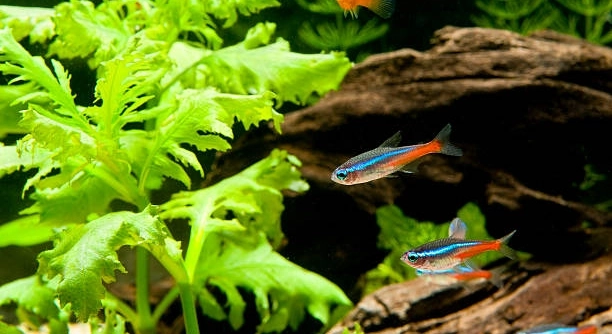
Neon Tetras are a popular fish species, loved for their vibrant colors and peaceful nature. However, adjusting to a new tank can be stressful for them. Knowing how to help them adapt can ensure they thrive in their new environment.
Helping Neon Tetras adjust to a new tank involves minimizing stress and providing a stable environment. Proper water conditions, acclimation methods, and adding hiding spots are essential steps to make their transition smoother and improve their overall well-being.
There are several simple steps that can make a big difference in helping your fish adjust to their new home. Let’s explore these methods and ensure your Neon Tetra has a healthy and stress-free start in its new tank.
Set Up the Tank Before Introducing Your Neon Tetra
Creating the right environment before adding your Neon Tetra is crucial. The tank should be set up with proper filtration, heating, and water parameters. Ensure the water temperature is stable between 72-80°F and that pH levels are around 6.0-7.5. Test the water for ammonia, nitrites, and nitrates. These can all affect your fish’s health if not kept in check. Once the tank is ready, allow it to run for at least 24 hours before introducing your fish. This gives time for the equipment to function properly and for the water chemistry to stabilize.
It’s also helpful to decorate the tank with plants, rocks, and hiding spots. Neon Tetras feel safer when they have spaces to retreat to if they feel threatened. Plants also provide a more natural habitat that supports the fish’s well-being.
By preparing the tank beforehand, you’re not only reducing the risk of sudden water changes but also offering your Neon Tetra a stress-free space to explore and thrive. This will help them settle in with minimal disruption.
Acclimate the Fish Slowly
Acclimating your Neon Tetra to its new tank should be done gradually to reduce stress. This process involves slowly introducing them to the tank water.
Place the fish bag in the tank to allow the temperature of the water to equalize. After about 15 minutes, start adding small amounts of tank water into the bag. Continue this process for about 30 minutes, so the fish gets used to the new water conditions. Slowly releasing them into the tank gives them a better chance of adjusting without shock. Sudden changes can lead to stress and potentially harm your fish.
Taking this extra time will prevent rapid temperature and water parameter changes that could otherwise cause illness. Neon Tetras, like most fish, are sensitive to environmental shifts, so a slow introduction helps them adjust peacefully to their new home.
Keep the Lighting Low
Neon Tetras are sensitive to bright lighting, which can stress them out. When first introducing them to a new tank, keep the lighting dim for a few days. Gradually increase the intensity as they become more comfortable in their new environment.
A dimmer light allows them to adjust without feeling exposed or threatened. Too much light can make them hide in the corners, which can prolong their stress. It’s also helpful to use plants or decorations that block direct light, creating shaded areas where the fish can retreat if needed.
As your Tetras become accustomed to the tank, you can begin to slowly increase the lighting. This will help them adapt without overwhelming them. The right balance will encourage your Neon Tetras to stay active and explore their new home.
Monitor Water Quality Regularly
Regularly checking water quality is essential for the health of your Neon Tetra. Even minor changes in water conditions can lead to stress or illness.
Testing the water for ammonia, nitrites, and nitrates should be done frequently, especially in a new tank. Neon Tetras thrive in clean water, and high levels of harmful substances can cause rapid health issues. Keeping track of temperature is also key, as sudden fluctuations can stress them.
Maintaining stable water conditions not only promotes the health of your Neon Tetras but also helps them settle in faster. Consistency in water quality reduces the chances of disease and encourages healthy growth.
Add Hiding Spots and Plants
Adding hiding spots and plants to the tank helps your Neon Tetra feel secure. They prefer environments where they can retreat when they feel threatened or stressed.
Live plants or decorations like caves and driftwood provide these safe spaces. Not only do these features offer shelter, but they also create a more natural environment. This makes the fish feel more at ease as they adjust.
Neon Tetras are small and naturally shy, so having places to hide from potential tank mates or movement around the tank is essential for their well-being. With enough hiding spots, they will be less stressed and more active.
Feed Your Neon Tetra Lightly
Overfeeding can cause stress and water quality problems. It’s important to feed your Neon Tetra small amounts of food several times a day rather than giving them one large meal.
Offer a variety of foods like flakes, pellets, and live or frozen foods to encourage natural foraging behavior. Avoid feeding too much at once to ensure that leftovers don’t decompose, which could cause water contamination.
By feeding them properly, you avoid stressing their digestive system. This also keeps the tank cleaner and healthier, ensuring your Neon Tetra remains in good condition during its adjustment period.
Avoid Aggressive Tankmates
Choosing the right tankmates for your Neon Tetra is crucial. They are peaceful fish and can be easily stressed by more aggressive or territorial species.
To help your Neon Tetra settle in, avoid placing them with large, predatory fish. Smaller, similarly peaceful species like other Tetras or Corydoras are ideal companions. Aggressive tankmates can make your Neon Tetra hide or become ill from stress.
A peaceful tank community will help them feel safe, reducing stress and allowing your fish to enjoy their new home more fully.
FAQ
How long does it take for a Neon Tetra to adjust to a new tank?
The adjustment period for a Neon Tetra typically takes anywhere from a few days to a week. However, this varies depending on the tank conditions and how well the acclimation process is handled. If the water quality and environment are stable, they may feel comfortable sooner. During this period, you may notice them being more shy or staying in one area. As long as the tank setup is appropriate, they will gradually explore and adjust to the new surroundings.
What water temperature is ideal for Neon Tetras?
Neon Tetras thrive in temperatures between 72°F and 80°F (22°C to 27°C). It’s important to maintain a stable temperature within this range. Sudden fluctuations can cause stress and make it harder for your fish to adjust. Using a reliable aquarium heater will help keep the temperature steady and within the safe range.
Can I place Neon Tetras with other fish?
Yes, Neon Tetras can live peacefully with other non-aggressive species. They are best kept with similar-sized, calm fish like other Tetras, Corydoras, or peaceful shrimp. Avoid placing them with large, aggressive species that might stress or harm them. Aggressive tankmates can cause anxiety and make them more prone to illness.
Do Neon Tetras need a filter in their tank?
Yes, a filter is essential to maintain the health of your Neon Tetra and the overall water quality. Neon Tetras are sensitive to ammonia and nitrites, and a filter helps remove harmful substances. It also aids in keeping the water oxygenated. However, ensure the filter flow isn’t too strong, as Neon Tetras prefer calm waters.
How often should I feed my Neon Tetra?
You should feed your Neon Tetra small amounts of food 2-3 times a day. Overfeeding can lead to poor water quality and stress for your fish. Offer a varied diet of high-quality flakes, pellets, and occasional live or frozen foods. Make sure they eat all the food within a few minutes to avoid leftovers polluting the tank.
What is the best way to acclimate my Neon Tetra?
The best way to acclimate your Neon Tetra is by floating the bag containing the fish in the tank for 15-20 minutes. This helps the water temperature in the bag match the tank’s temperature. Then, slowly add small amounts of tank water to the bag over the next 30 minutes. After this process, gently release the fish into the tank. Avoid just dumping them in to reduce stress and potential shock.
How do I know if my Neon Tetra is stressed?
Stressed Neon Tetras often display signs such as hiding, lack of movement, faded colors, or erratic swimming. If they are breathing rapidly or appear lethargic, these are also indicators of stress. Stress can be caused by poor water quality, aggressive tankmates, sudden temperature changes, or inadequate hiding spaces.
Can Neon Tetras live with Betta fish?
It’s not recommended to house Neon Tetras with Betta fish, especially male Bettas. Male Bettas can be territorial and aggressive, which could stress the Neon Tetras. However, if your Betta is calm and the tank is large enough with plenty of hiding spots, it might be possible. Always keep an eye on their interactions to ensure both fish are safe and stress-free.
How do I maintain the right water quality for my Neon Tetra?
To maintain good water quality, test the water regularly for ammonia, nitrites, and nitrates. Aim for ammonia and nitrites to be at zero, while nitrates should be under 20 ppm. Perform partial water changes weekly to keep the tank clean. Also, ensure proper filtration and avoid overfeeding to prevent waste buildup.
What should I do if my Neon Tetra isn’t eating?
If your Neon Tetra is not eating, check the water conditions first. Poor water quality can make them lose their appetite. Also, make sure you’re offering a variety of food types. Sometimes they may be hesitant to try new foods. Try offering live or frozen food to tempt them. If they still refuse to eat, it could indicate stress or illness, and you may need to seek advice from an aquarium specialist.
Final Thoughts
Helping your Neon Tetra adjust to a new tank is a process that requires patience and attention to detail. From setting up the tank with the right water conditions to acclimating your fish slowly, each step plays an important role in their overall well-being. By creating a stable and stress-free environment, you give your Neon Tetra the best chance of thriving. The key is consistency—both in water quality and in the care you provide. Fish, especially small species like Neon Tetras, are sensitive to changes in their environment. A smooth transition can help them settle in quickly and reduce the risk of illness.
The more you understand the needs of your Neon Tetra, the easier it will be to maintain their health and happiness in the long run. Keep an eye on water quality, avoid overfeeding, and ensure that the tankmates are peaceful. Remember, the right tank setup is essential not just for the Neon Tetra’s initial adjustment but for their ongoing well-being. A well-maintained aquarium, with proper temperature control and plenty of hiding spots, will keep your fish content for years.
In conclusion, patience and observation are key when it comes to helping your Neon Tetra adjust. By following the steps outlined above and providing a consistent, safe environment, your fish will have the opportunity to thrive. With a little care and attention, Neon Tetras can quickly adapt to their new home and become active, healthy, and beautiful additions to your aquarium. Understanding their needs and making thoughtful decisions about their care will ensure they live a happy life in their new tank.

Hello,
If you enjoy the content that we create, please consider saying a "Thank You!" by leaving a tip.
Every little bit helps us continue crafting quality advice that supports the health, happiness, and well-being of pets around the world, for pets of all shapes, sizes, and species.
We really appreciate the kindness and support that you show us!