
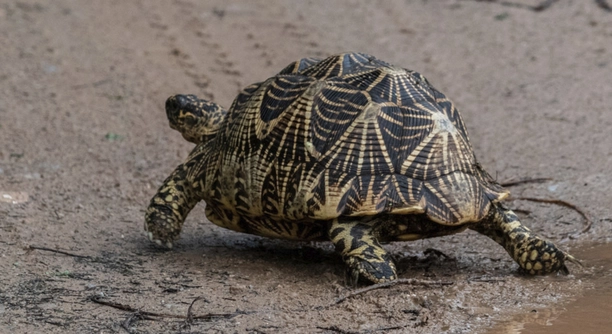
If your star tortoise has suffered an injury, it’s important to provide proper care for a smooth recovery. Tortoises are resilient, but they need attention to heal well. Here are some tips to help them bounce back.
To help a star tortoise recover from an injury, providing a quiet and safe environment is essential. Ensure that the tortoise is kept in a clean, warm, and stress-free habitat. You should also monitor its diet and hydration closely.
By following these steps, you can ensure your star tortoise gets the care it needs. This guide will walk you through effective ways to support its recovery. Keep reading to learn more!
Create a Safe and Comfortable Environment
When your star tortoise is recovering, its environment is key. Start by setting up a quiet, stress-free space away from loud noises and other pets. The area should be warm enough for the tortoise to stay comfortable, but not too hot. Temperature is important for proper healing, as star tortoises are cold-blooded animals. A heated pad under its habitat may help regulate warmth.
Make sure the enclosure is spacious enough to allow your tortoise to move around without straining itself. It should also be clean and dry, reducing the risk of infection. You should regularly disinfect the enclosure, paying attention to corners and the bedding.
A proper environment will aid the recovery process and prevent complications like infections or stress, which could worsen your tortoise’s condition. A peaceful, safe space can greatly improve its chances of healing quickly.
Monitor the Diet and Hydration
Feeding your tortoise a balanced diet is vital for its recovery. Fresh leafy greens and vegetables should make up the majority of its food. Make sure it’s getting plenty of calcium to support shell health, especially during recovery.
Hydration is just as important. Always provide fresh, clean water, as dehydration can slow down the healing process. A shallow dish that’s easy for the tortoise to access works best. You can also offer water through misting, which will help with hydration and encourage eating.
A proper diet and hydration will boost your tortoise’s overall health. Maintaining these elements helps improve healing time and prevents further complications. Make sure to stay consistent with this.
Limit Physical Activity and Stress
While recovering, it’s important to limit your tortoise’s physical activity to avoid further strain. Keep it in a safe, enclosed space where it won’t be able to move around too much. This reduces the risk of aggravating the injury.
You can try to keep its movements minimal by providing a small, comfortable area where the tortoise can rest. Avoid handling it unless necessary, as this could cause stress or unnecessary movement. If the injury is more severe, you may need to separate it from other animals to ensure it isn’t disturbed or bothered.
Stress can slow down the healing process and cause the tortoise to be less active. Keeping the environment calm and peaceful is essential. Limiting the physical activity of your tortoise allows its body to focus on recovery rather than fighting off stress or exertion.
Keep an Eye on the Injury
Regularly check the injury for signs of infection or any worsening conditions. Look for redness, swelling, or discharge around the wound. If the injury is on the shell, check for cracks, as these can lead to deeper issues if not treated correctly.
If the injury appears to be getting worse, seek veterinary help immediately. Sometimes infections can occur quickly, and it’s important to address them before they spread. Clean the injury gently using a mild antiseptic solution to help prevent infection, but avoid using anything too harsh that could irritate the wound.
By monitoring the injury closely, you’ll be able to catch any problems early. Taking quick action can make a big difference in your tortoise’s recovery and help prevent serious complications from developing.
Provide Sunlight and UVB Light
It’s important to ensure your star tortoise gets the right amount of sunlight during recovery. Natural sunlight helps boost their immune system and supports healing. If outdoor access isn’t possible, providing UVB light is an alternative.
Place your tortoise in an area where it can bask in sunlight for a few hours each day. UVB lighting should be used if natural sunlight isn’t available. UVB is essential for proper calcium absorption, which is vital for bone and shell health.
Providing sunlight or UVB light encourages your tortoise to stay healthy while it heals. Ensure it has a place to bask and get the benefits of these essential rays.
Use Soft Bedding
Using soft, absorbent bedding is vital during recovery. Avoid rough materials that could irritate or injure the tortoise further. Soft bedding also helps keep the area clean, which is important to prevent infection.
Choose materials like coconut coir or soft hay, which are gentle and comfortable for your tortoise. These options also make it easier to clean up any waste without causing additional stress or injury.
Having soft bedding provides comfort and helps maintain a clean, healthy environment for healing. It also reduces the chances of further injury or discomfort during rest periods.
Avoid Overfeeding
Overfeeding during recovery can lead to obesity or other health complications. Stick to the recommended portions based on your tortoise’s age and size. Make sure the diet remains balanced without overloading on any one food group.
Overfeeding can cause digestive issues, leading to additional stress for your tortoise. Keep a close eye on portion control, especially when they are less active.
FAQ
How do I know if my star tortoise’s injury is serious?
If your star tortoise’s injury appears deep, has swelling, or is causing visible pain (such as excessive movement or reluctance to eat), it’s important to assess the situation carefully. You should also look for signs of infection like pus or discharge from the wound. If the injury is to the shell, check for cracks or broken pieces. In all of these cases, it’s best to consult a veterinarian to ensure proper care and treatment.
Can I continue to feed my tortoise its regular food while it’s recovering?
Yes, you can continue to feed your star tortoise its regular food, but with a focus on the right nutritional balance. Make sure to provide a variety of fresh leafy greens, vegetables, and calcium-rich foods like dandelion greens or cuttlefish bone to support shell and bone health during recovery. Avoid overfeeding and watch for any signs of digestive distress or loss of appetite, which may require a change in diet or further veterinary guidance.
What is the best way to treat a wound on a star tortoise?
If your star tortoise has a minor wound, clean it gently with a mild antiseptic solution or saline water. Avoid harsh chemicals or alcohol, as they can irritate the skin. For shell injuries, apply a non-toxic antibiotic ointment recommended by your vet. Cover the wound loosely with a clean bandage if needed, but ensure it doesn’t restrict movement. Always check the wound regularly for signs of infection, and seek veterinary advice if the wound doesn’t improve or gets worse.
How can I prevent my tortoise from getting injured again?
To prevent future injuries, ensure your tortoise’s environment is free from sharp objects or rough surfaces that could cause harm. Make sure it has a well-maintained enclosure with enough space to move safely. Avoid handling the tortoise roughly, and ensure that any other animals are kept away. Also, regularly check the condition of the tortoise’s shell for cracks or wear and tear. Providing a safe, comfortable habitat is key to preventing accidents.
Can I let my star tortoise roam outside during recovery?
It’s not recommended to allow your star tortoise to roam freely outside during recovery unless you’re certain that the area is completely safe. Outdoor environments can present risks such as predators, sharp objects, or uneven terrain. If you decide to let your tortoise outdoors, supervise it at all times and ensure it’s in a contained, safe area where it can’t wander off or encounter hazards.
Should I use antibiotics on my tortoise’s injury?
Using antibiotics should only be done under the guidance of a veterinarian. While it’s important to prevent infections, self-administering antibiotics without proper knowledge can harm the tortoise. Some antibiotics can be too harsh or inappropriate for reptiles, so it’s always best to seek professional advice on the right treatment for your star tortoise’s specific needs.
How long will it take for my star tortoise to recover from an injury?
The recovery time for a star tortoise can vary depending on the severity of the injury. Minor cuts or bruises may heal within a few weeks, while more severe injuries, such as shell fractures, can take months to fully heal. It’s important to follow the recovery guidelines closely, monitor your tortoise’s progress, and consult a vet if there are signs that the healing process isn’t going as expected.
Can I give my star tortoise supplements during recovery?
Supplements may be beneficial during your star tortoise’s recovery, especially calcium supplements, to support shell and bone health. However, you should avoid over-supplementing, as this can cause health problems like kidney damage. Always consult your veterinarian before introducing any new supplements into your tortoise’s diet. Proper balance in their diet, combined with the right environmental conditions, is key to recovery.
Is it okay to bathe my star tortoise while it’s recovering?
Yes, it’s generally safe to bathe your tortoise during recovery, but it should be done gently and in lukewarm water. Bathing can help with hydration and assist with shedding, especially if your tortoise is under stress or not eating as much. Avoid soaking the tortoise for too long, and make sure to dry it off carefully afterward. Always keep an eye on the injury to ensure it doesn’t become worse due to water exposure.
What can I do to reduce stress for my star tortoise during recovery?
Reducing stress is essential for your tortoise’s recovery. Keep the environment calm, quiet, and free from excessive handling or noise. Try to avoid introducing any new animals or stressful situations during this time. Provide a clean, safe, and warm environment with plenty of hiding spots, so your tortoise can feel secure and comfortable while healing. The more peaceful the space, the quicker your tortoise can focus on recovering.
Final Thoughts
Caring for a star tortoise during its recovery requires patience and attention to detail. By providing a safe, quiet environment and closely monitoring the injury, you can help your tortoise heal faster and reduce the risk of further complications. It’s important to avoid unnecessary stress, both physical and emotional, as it can hinder the healing process. A calm and secure environment is crucial, as this allows the tortoise to focus its energy on recovery rather than on stress or discomfort.
Proper nutrition plays a significant role in the healing process. A well-balanced diet that includes fresh leafy greens, vegetables, and calcium-rich foods is essential for supporting the tortoise’s overall health. Additionally, maintaining proper hydration is equally important. It’s always good to observe your tortoise’s eating habits closely and ensure it is getting enough food and water. Overfeeding can lead to issues such as obesity, so portion control is necessary. If the tortoise is having difficulty eating or drinking, seek veterinary guidance to adjust its diet.
Lastly, always keep an eye on the injury and look for signs of infection. Regularly cleaning the wound and applying any necessary treatments will help prevent further damage. If the injury doesn’t seem to improve or worsens over time, consulting a vet is essential. It’s also important to know when to give your tortoise space and when to intervene, as both too much handling and isolation can impact its well-being. By following these simple guidelines, your star tortoise has the best chance for a full and speedy recovery.

Hello,
If you enjoy the content that we create, please consider saying a "Thank You!" by leaving a tip.
Every little bit helps us continue crafting quality advice that supports the health, happiness, and well-being of pets around the world, for pets of all shapes, sizes, and species.
We really appreciate the kindness and support that you show us!