
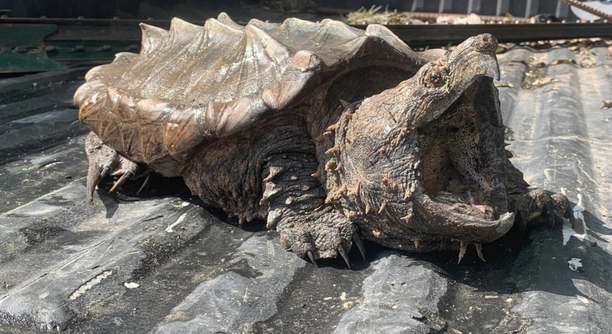
Alligator snapping turtles are fascinating creatures, but handling them can be tricky. Their size, strength, and sharp beak-like jaws make them a challenge to manage safely. Knowing how to handle them properly is essential.
To safely handle an alligator snapping turtle, approach it with caution and respect. Use appropriate tools such as a towel or gloves to protect yourself. Keep your hands clear of its powerful jaws and avoid sudden movements to reduce stress.
Understanding these techniques ensures both your safety and the well-being of the turtle. The following methods will help you handle these creatures more effectively.
Choosing the Right Tools for Handling an Alligator Snapping Turtle
When it comes to handling an alligator snapping turtle, using the right tools can make a significant difference in your safety. A long pair of tongs or a hook are often the best tools for lifting and moving the turtle. These tools keep your hands far from the turtle’s powerful jaws, reducing the risk of injury. Additionally, a towel or thick gloves can be useful when handling the turtle directly. The towel helps to calm the animal, as it covers its eyes and limits its movement. Always choose tools that provide enough control without getting too close to the turtle’s mouth.
A simple and safe way to lift the turtle is by using the towel technique. Gently wrap the turtle in a towel and lift from the sides.
Avoiding direct contact with its mouth and claws is key. By keeping a safe distance, you minimize the chances of getting hurt. The proper tools give you the control needed to move the turtle with minimal stress to both you and the animal.
Handling with Care: Ensuring Safety for Both You and the Turtle
The physical characteristics of an alligator snapping turtle make it challenging to manage without proper care. Their sharp beaks can deliver a painful bite, capable of causing significant damage. By maintaining calm and taking deliberate steps, you can ensure both your safety and the well-being of the turtle. When lifting the turtle, support its body evenly. This ensures that the weight is balanced and prevents unnecessary stress on its shell or limbs. Additionally, always remember that these turtles are not aggressive unless provoked, so they generally prefer to stay calm if left undisturbed.
One common mistake people make is rushing when handling the turtle. Always take your time to make sure the turtle is secure before moving. If you’re unsure about your actions, step back and reassess. By focusing on slow and deliberate movements, you create a safer environment for everyone involved.
Keeping a cool head will lead to smoother interactions with the turtle. It’s essential to remember that handling this animal responsibly is not just about protecting yourself, but also ensuring its safety and health.
Keep Your Hands Clear of Its Jaws
The alligator snapping turtle’s jaws are strong and can cause severe injury. Always be aware of its mouth, especially when the turtle is being moved or handled. Keeping a safe distance between your hands and its head is crucial for avoiding bites. Even though the turtle may seem slow, it can strike quickly when it feels threatened.
A simple way to keep your hands away from its mouth is by using tools like long tongs or a hook to lift it. These tools allow you to maintain control while staying out of reach. If you’re handling the turtle directly, make sure to keep your hands clear of the head and mouth at all times. Always approach slowly and methodically.
Never attempt to grab the turtle by the head or limbs. Even in seemingly calm situations, the turtle may snap unexpectedly. It’s important to handle the animal with respect and avoid making sudden movements that might trigger a defensive reaction.
Understanding the Turtle’s Behavior
An alligator snapping turtle can appear passive, but its behavior can change quickly if it feels threatened. These turtles prefer to stay still and will only move if they feel the need to defend themselves or escape. Understanding this behavior is crucial to keeping yourself safe. If the turtle feels cornered or trapped, it might lunge or snap in self-defense.
When handling the turtle, it’s important to remain calm and move slowly. Jerky movements can startle it, increasing the likelihood of an aggressive response. Avoid making loud noises or sudden gestures that might disturb the turtle.
Being aware of its body language can help you predict its reactions. For example, if the turtle pulls its head into its shell, it’s often a sign of stress. Recognizing these signals ensures that you handle the turtle in a way that minimizes both your risk and the turtle’s anxiety.
Handling the Turtle in Water
When handling an alligator snapping turtle in water, make sure to support its body evenly. Water provides buoyancy, making it easier to lift without causing strain. However, it’s essential to still handle the turtle carefully to prevent injury or stress.
Use a gentle grip around the middle of its body, not its head or limbs. This helps keep the turtle stable and minimizes the chance of it becoming agitated. The water can also make the turtle feel more secure, reducing the likelihood of defensive movements.
Moving the Turtle to Land
Once the turtle is on land, be cautious of its movements. It may feel vulnerable outside of its aquatic environment and could react defensively. To safely move it, avoid rushing. Support the turtle’s weight evenly and keep its body close to the ground.
If possible, guide the turtle back into the water gently. This ensures its safety and allows it to return to its natural habitat. Be patient, and avoid making abrupt motions that could disturb the turtle, increasing the chances of it becoming stressed.
Using the Right Environment for Handling
Creating the right environment is key to handling an alligator snapping turtle safely. If you’re handling the turtle for medical care or relocation, make sure the area is calm and quiet. Bright lights, loud sounds, or a lot of movement can cause unnecessary stress to the turtle.
A quiet, low-lit space gives the turtle the chance to feel secure and not threatened. Always choose a location where the turtle can move freely without obstacles that could make it feel confined. This will help keep both you and the turtle at ease.
FAQ
How do I safely lift an alligator snapping turtle?
Lifting an alligator snapping turtle safely requires the right technique and tools. Always use long tongs, a hook, or a towel to lift the turtle. These methods keep your hands a safe distance from its jaws. When lifting, support the turtle evenly by its body, never by the head or limbs. If you’re using a towel, gently wrap it around the turtle to reduce its stress. Avoid sudden movements, as this can startle the turtle and provoke a defensive reaction.
Can I pick up an alligator snapping turtle by the shell?
While it may seem tempting, it’s not recommended to pick up an alligator snapping turtle by the shell. The shell is sturdy but lifting the turtle this way can cause unnecessary stress. Always lift the turtle with proper support to avoid putting strain on the shell or the turtle’s body. Using a towel or appropriate lifting tools will make the process safer for both you and the turtle.
What should I do if the turtle starts to snap?
If the turtle begins to snap, stay calm and avoid sudden movements. Move away from its mouth, and give it space. The snapping turtle is not aggressive but will defend itself if it feels threatened. Do not attempt to handle it further until it calms down. Keeping your distance is the best way to avoid injury in this situation.
Is it safe to handle an alligator snapping turtle without gloves?
Handling an alligator snapping turtle without gloves is not advisable, especially if you’re a beginner. These turtles have powerful jaws that can cause serious injury. Wearing thick gloves can offer some protection, but using tools like tongs or a hook is the safest method. Gloves will not protect you completely from a bite, but they can reduce the risk.
What is the best way to move an alligator snapping turtle?
When moving an alligator snapping turtle, use the proper equipment. It’s best to use long tongs, a hook, or a towel to keep a safe distance between you and the turtle. If you need to move it over long distances, make sure it is supported evenly. Avoid picking up the turtle by its head or limbs to prevent injury.
How do I know if the alligator snapping turtle is stressed?
Stress in an alligator snapping turtle can be identified by signs such as rapid breathing, pulling its head into its shell, or snapping aggressively. If you notice these signs, stop handling the turtle and give it space to calm down. Try to minimize environmental stressors like loud noises or bright lights, as these can exacerbate the situation.
Can I keep an alligator snapping turtle as a pet?
Yes, you can keep an alligator snapping turtle as a pet, but it requires specific care and a large tank or outdoor enclosure. They are a demanding species that needs proper water conditions, a balanced diet, and a large area to roam. Be sure to research their care needs thoroughly before adopting one.
How often should I feed an alligator snapping turtle?
An alligator snapping turtle should be fed regularly, but not too often. Depending on its age and size, you may feed it every two to three days. They are carnivorous and eat a diet of fish, small mammals, and insects. Make sure the food is appropriately sized to avoid choking hazards.
What is the lifespan of an alligator snapping turtle?
Alligator snapping turtles can live for decades. In the wild, they typically live 30-50 years, but in captivity, they may live even longer with the proper care. Their longevity is partly due to their slow metabolism and their ability to adapt to various environments. If kept in a suitable habitat, these turtles can live a healthy and long life.
How do I release an alligator snapping turtle back into the wild?
If you’re releasing an alligator snapping turtle back into the wild, make sure you choose an appropriate habitat. Ensure that the environment has ample water and food sources. Avoid releasing the turtle in areas that may be too polluted or unsafe. Always release the turtle in an area where it can thrive naturally without encountering human-made obstacles or hazards.
Are there any laws or regulations about handling alligator snapping turtles?
Yes, there are laws regarding the handling and conservation of alligator snapping turtles. In some areas, they are protected under wildlife conservation laws due to their status as a threatened species. Always check local regulations before handling or keeping these turtles. You may need a special permit or license to keep or handle them.
Why is it important to handle an alligator snapping turtle properly?
Handling an alligator snapping turtle properly is important for both your safety and the turtle’s well-being. Mishandling can lead to injury or stress for the turtle, which can affect its health. By using the right tools and techniques, you can ensure that the turtle remains safe and undisturbed while avoiding injury to yourself.
Can alligator snapping turtles be aggressive?
Alligator snapping turtles are not naturally aggressive, but they will become defensive if they feel threatened. Their powerful jaws are their primary means of defense, so if they are startled or cornered, they may snap. By handling them gently and respecting their space, you can minimize the chances of aggressive behavior.
Final Thoughts
Handling an alligator snapping turtle requires patience, care, and the right techniques. These turtles are fascinating creatures but can be easily stressed if not approached correctly. It’s essential to remember that their powerful jaws and defensive nature make them challenging to handle. Using tools like tongs or a towel will help keep both you and the turtle safe, while providing a sense of security for the turtle as well. Understanding their needs and respecting their space is key to a safe interaction.
If you plan to care for or relocate an alligator snapping turtle, be sure to create a calm, quiet environment. Loud noises or quick movements can make the turtle anxious, leading to defensive behavior. Handling them gently and thoughtfully will ensure they feel less threatened. Additionally, always make sure that the water and land environments are suitable for their needs, ensuring that the habitat is safe and meets their requirements for food, shelter, and space. Ensuring the turtle’s comfort will minimize stress and make handling easier for both parties.
Remember that these turtles are a unique species that requires special care and attention. Whether you are moving a turtle to safety or caring for one in captivity, always consider its well-being. Following the correct methods will not only keep you safe but also ensure that the turtle remains healthy and unharmed. By respecting their needs and understanding how to handle them properly, you can ensure safe and successful interactions.

Hello,
If you enjoy the content that we create, please consider saying a "Thank You!" by leaving a tip.
Every little bit helps us continue crafting quality advice that supports the health, happiness, and well-being of pets around the world, for pets of all shapes, sizes, and species.
We really appreciate the kindness and support that you show us!