
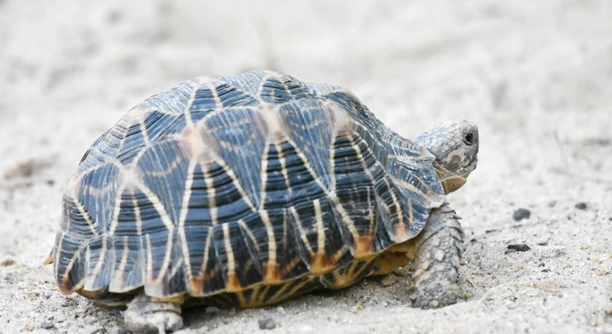
Proper hydration is essential for the health of Indian Star Tortoises. Maintaining an adequate water supply helps support their bodily functions and overall well-being. Ensuring they stay hydrated is vital for their longevity and comfort.
Indian Star Tortoises require proper hydration to maintain their health and avoid issues such as dehydration. The best methods to achieve this include providing fresh water regularly, using appropriate humidity levels, and offering water in shallow, accessible containers.
These tips will help ensure your tortoise remains healthy and hydrated.
Offer Fresh Water Regularly
One of the easiest ways to ensure proper hydration for your Indian Star Tortoise is by providing fresh water regularly. It’s crucial to have clean, accessible water available at all times. A shallow dish or a water bowl that’s easy for your tortoise to reach will encourage drinking. Avoid using deep bowls, as they may not be safe for smaller tortoises or could cause them to become stressed.
Tortoises don’t drink much at once, so check their water supply multiple times a day to ensure it remains fresh. This way, you’ll minimize the risk of them becoming dehydrated. A daily water change can help prevent any buildup of bacteria, keeping the water safe for your tortoise.
It’s also important to monitor their behavior. If your tortoise seems to avoid drinking water, consider adjusting the water container’s location. Sometimes, they prefer drinking from specific spots or types of containers, so it’s worth experimenting with different setups.
Maintain Proper Humidity Levels
Humidity plays a key role in your tortoise’s hydration. Ensure your tortoise’s habitat is in the right humidity range to prevent dehydration. A dry environment can make it harder for them to absorb water through their skin, leading to dehydration.
To maintain the proper humidity, you can place a water dish inside the enclosure or even mist the habitat lightly every day. However, be careful not to overdo it. Too much moisture could lead to mold growth. The humidity should be kept within a range that feels comfortable to your tortoise and helps them stay hydrated without compromising their health.
Remember to check humidity levels regularly with a hygrometer. Adjustments may be needed depending on the season or changes in temperature. A balanced habitat will keep your tortoise hydrated and thriving for years.
Provide Shallow Water Dishes
Shallow water dishes are essential for Indian Star Tortoises to drink safely. Avoid deep bowls as they can be difficult for your tortoise to navigate, potentially causing stress. A shallow, stable dish encourages your tortoise to drink regularly and minimizes the risk of drowning.
Using shallow dishes also helps prevent water from getting too dirty too quickly. As your tortoise drinks or moves around the dish, there’s less chance of debris being submerged. Choose a dish that’s easy to clean and refill, and place it in an area your tortoise frequents. This ensures they have consistent access to water when needed.
To maintain hygiene, change the water daily, especially during warmer months. Water can quickly become contaminated with food debris or waste, so cleaning the dish regularly is important for your tortoise’s health.
Offer Water Soaks
Water soaks can be beneficial for Indian Star Tortoises, especially when they aren’t drinking enough water. A short soak in lukewarm water helps hydrate them and aids in digestion. Simply place them in a shallow basin with water up to their legs and leave them for 15–20 minutes.
The soak encourages your tortoise to absorb moisture through its skin. It’s an easy way to boost hydration, especially if your tortoise isn’t drinking enough from its water dish. Make sure the water isn’t too deep, as your tortoise should be able to comfortably walk in it. Avoid using cold water, as it could cause stress.
In addition to hydration, water soaks also help with shell and skin health. After soaking, dry your tortoise gently with a soft towel to prevent them from becoming chilled. This simple practice will improve your tortoise’s overall well-being.
Use a Humidifier
A humidifier can be a great addition to your tortoise’s enclosure. It helps maintain the proper humidity levels, which is key to hydration. Keeping the air moist ensures your tortoise’s skin and respiratory system remain healthy. Set the humidifier to a level that maintains consistent humidity.
While a humidifier helps, make sure to monitor the humidity regularly. Too much moisture can lead to mold growth, which can harm your tortoise. Adjust the settings or airflow to find the perfect balance. With the right level of humidity, your tortoise will have better access to hydration, even without drinking directly.
Mist the Habitat
Misting the habitat lightly every day can help provide extra moisture for your tortoise. It’s especially useful during drier seasons or in areas with low humidity. Light misting increases the humidity, helping to keep the tortoise hydrated and supporting its skin health.
Avoid over-wetting the enclosure, as excess moisture can cause issues like mold or respiratory problems. A gentle spray of water in the morning or evening is enough to maintain healthy humidity levels. Your tortoise will benefit from the added moisture without creating an overly damp environment.
FAQ
How often should I give my Indian Star Tortoise a water soak?
Water soaks should be given about 2 to 3 times a week, depending on your tortoise’s hydration needs. If your tortoise seems dehydrated or isn’t drinking enough water from its dish, you can offer a soak more frequently. The soak should last about 15 to 20 minutes in lukewarm water. Always monitor your tortoise during the soak to ensure it stays comfortable.
Can I use a water dish for both drinking and soaking?
It’s best to have separate containers for drinking and soaking. Drinking water dishes should be shallow and easily accessible, while soaking containers need to be deeper to allow your tortoise to fully submerge its legs and part of its body. Keeping them separate helps maintain hygiene and ensures your tortoise has enough space for both activities.
How do I know if my Indian Star Tortoise is dehydrated?
Signs of dehydration in tortoises include sunken eyes, dry skin, a lethargic behavior, and less frequent urination. If you notice any of these symptoms, it’s important to increase hydration efforts immediately. Offer more water soaks, check the humidity levels in the enclosure, and ensure clean water is always available.
Is it okay for my tortoise to drink from a deep water dish?
It’s generally not recommended to use a deep water dish. Indian Star Tortoises might struggle to drink from deep containers, and there’s a risk of drowning if they fall in. Shallow dishes that are easy to climb in and out of are much safer. The dish should be just deep enough for the tortoise to drink comfortably.
What’s the ideal humidity level for an Indian Star Tortoise’s enclosure?
The ideal humidity level for an Indian Star Tortoise’s enclosure is between 50-70%. This helps maintain hydration and supports the tortoise’s overall health. You can monitor humidity with a hygrometer, adjusting the enclosure’s setup (like using a humidifier or misting) to keep the environment balanced.
How much water should I give my tortoise daily?
Your tortoise should have access to water at all times, but it doesn’t need large amounts daily. Change the water at least once a day to keep it fresh. Tortoises typically drink small amounts throughout the day. If you notice your tortoise isn’t drinking, try offering a water soak or adjusting the water dish.
Can I feed my tortoise wet food to increase hydration?
You can offer moist vegetables like cucumber, watermelon, or leafy greens, which help with hydration. While these foods shouldn’t replace water, they can supplement hydration. Just make sure to offer a balanced diet, as too much wet food can upset the tortoise’s digestion.
What type of water is best for an Indian Star Tortoise?
Fresh tap water is generally fine for your tortoise, as long as it’s free from chlorine and other harmful chemicals. If you’re concerned about water quality, you can use filtered water or let tap water sit out for 24 hours to allow chlorine to dissipate.
Should I monitor the water temperature for my tortoise?
It’s a good idea to make sure the water temperature is between 75-85°F (24-29°C) for water soaks. Water that’s too cold can cause stress, and water that’s too hot can cause discomfort. Always check the water’s temperature before soaking your tortoise.
How do I prevent mold in my tortoise’s habitat?
To prevent mold, keep the enclosure well-ventilated and avoid excessive moisture. Ensure that any water added, either in the dish or through misting, doesn’t stay stagnant. Regularly clean the habitat, removing any food waste or moisture buildup that could lead to mold growth.
Final Thoughts
Ensuring proper hydration for Indian Star Tortoises is essential for their overall health and well-being. As these tortoises are native to dry, semi-arid regions, they need careful attention to their hydration needs. While they may not drink a lot of water at once, providing consistent access to clean, shallow water and offering regular water soaks can go a long way in maintaining their hydration levels. Monitoring their behavior and adjusting the environmental conditions accordingly is key to preventing dehydration, which can lead to serious health issues.
In addition to providing the right water sources, it’s important to create a habitat that supports proper humidity levels. Humidity plays a significant role in hydration, as it allows the tortoises to absorb moisture through their skin. Using a humidifier, misting the enclosure, and regularly checking the humidity levels will help mimic the natural environment that Indian Star Tortoises thrive in. This helps them stay hydrated without excessive reliance on drinking water alone, which can be challenging for them if the conditions aren’t right.
Lastly, always monitor your tortoise’s health closely. Signs of dehydration, such as sunken eyes, dry skin, and lethargy, should prompt immediate action. Offering additional soaks and ensuring fresh, clean water is always available can prevent more serious issues. By combining the right water sources, humidity control, and attentiveness, you can ensure that your Indian Star Tortoise remains hydrated and healthy for years to come.

Hello,
If you enjoy the content that we create, please consider saying a "Thank You!" by leaving a tip.
Every little bit helps us continue crafting quality advice that supports the health, happiness, and well-being of pets around the world, for pets of all shapes, sizes, and species.
We really appreciate the kindness and support that you show us!