
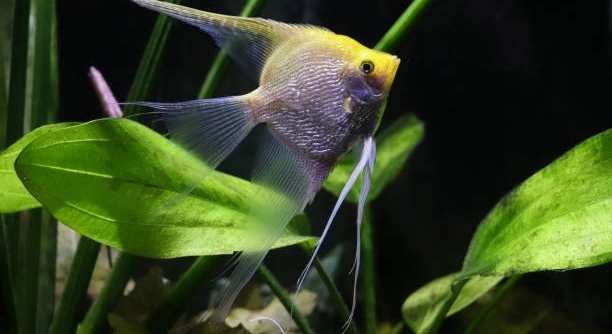
Angelfish are known for their beautiful and vibrant colors. However, achieving the best hues can sometimes be tricky. To help, there are simple yet effective methods that can make your angelfish stand out in any aquarium.
Enhancing the natural colors of your angelfish involves proper lighting, water conditions, a balanced diet, and the right tank environment. Ensuring your fish receive adequate care through these factors will bring out their natural beauty and vibrant hues.
Understanding these tips will not only help you improve your angelfish’s appearance but also support their overall health and well-being in the long run.
Proper Lighting for Your Angelfish
Lighting plays a major role in bringing out the vibrant colors of your angelfish. Bright, well-distributed light helps accentuate the natural hues of your fish. Too little light can dull their colors, while excessive brightness can cause stress. The key is to find a balance. A good aquarium light should simulate the natural day-night cycle. Most aquariums should use a light intensity of around 1 to 2 watts per gallon, ideally with a full-spectrum light that mimics daylight.
Proper lighting not only boosts your angelfish’s colors but also contributes to their overall well-being. A consistent light schedule helps regulate their biological processes, keeping them healthy. Avoid overexposure, as it can lead to algae growth that competes with your fish for resources.
When setting up your tank, consider using LED lights. They provide the right spectrum of light without overheating the water. Additionally, these lights have a long lifespan and are energy-efficient, which is great for both your angelfish and your electricity bill.
Water Conditions Matter
Water quality is another factor that affects your angelfish’s colors. Clean, stable water with proper pH, hardness, and temperature is essential. Angelfish thrive in water with a pH of 6.8-7.8, slightly acidic to neutral. Keeping the water parameters steady will prevent stress, which can cause the fish to lose some of their vibrancy.
Regular water changes are important. A partial water change once a week keeps the tank conditions optimal. Ensure the water temperature remains between 75°F and 82°F for best results. Regular monitoring with a water test kit will help keep things in check.
Balanced Diet for Vibrant Colors
A balanced diet is key to keeping your angelfish’s colors bright and healthy. Offering a variety of foods ensures they receive all necessary nutrients. High-quality flakes, pellets, and occasional live or frozen foods like bloodworms can make a difference.
Make sure to include foods rich in carotenoids, like spirulina, to enhance their color. These foods support the fish’s natural pigments, particularly reds and oranges. Overfeeding can lead to water quality issues, so stick to small portions and feed your angelfish two to three times a day.
Feeding them at regular intervals and varying their diet also helps prevent boredom and improves their overall health. Just be mindful to avoid overfeeding, which can lead to health issues like obesity or poor water quality. The right nutrition can make your angelfish thrive and highlight their natural beauty.
Tank Environment and Decorations
The tank environment has a significant impact on your angelfish’s appearance. The right décor can enhance their colors. Soft, dark-colored substrates and plants help bring out the best in your fish by providing contrast. Avoid harsh, bright decorations that may stress your fish.
Provide hiding spots such as caves or plants. These create a safe, stress-free environment where angelfish feel comfortable enough to display their full color potential. The more natural the setup, the better. Driftwood, rocks, and plants mimic the angelfish’s natural habitat, making them feel at ease and allowing their natural colors to shine.
The tank should also be spacious enough for your angelfish to swim freely. A tank that’s too small can cause stress, which can affect their coloring. Aim for at least a 20-gallon tank to give them enough space to thrive.
Regular Water Changes
Regular water changes are essential for maintaining your angelfish’s color. By removing toxins and replenishing essential minerals, you provide a healthier environment. Aim for a 25% water change every one to two weeks.
Water changes also help maintain the right balance of nutrients and oxygen in the tank. Stale water can cause stress and diminish your fish’s vibrancy. Fresh, clean water supports their overall well-being, allowing them to show off their natural beauty. Make sure to treat tap water to remove chlorine before adding it to the tank.
Proper Tankmates
The right tankmates can have a positive effect on your angelfish’s color. Peaceful fish that don’t compete for food or space create a low-stress environment. Consider species that are calm and won’t intimidate your angelfish.
Avoid keeping aggressive fish that might harass or injure your angelfish. Stress from bullying can dull their colors. Angelfish do best when housed with other non-aggressive species, as they will thrive in a peaceful environment. This helps them feel more comfortable and display their natural beauty.
Avoid Overcrowding
Overcrowding is detrimental to angelfish. A cramped tank can lead to stress and competition for resources, both of which negatively impact their color. Ensure your tank has enough space for each fish.
A good rule of thumb is one inch of fish per gallon of water. This gives each fish room to swim freely and reduces stress. When fish are crowded, they are less likely to show their full range of colors.
FAQ
What is the ideal water temperature for angelfish?
Angelfish thrive in water temperatures between 75°F and 82°F. Keeping the water within this range is crucial for their health and color. If the water is too cold or too warm, the fish may become stressed, affecting their natural appearance. A stable temperature is key, so investing in a reliable aquarium heater is recommended to maintain the right environment.
How often should I feed my angelfish?
Feed your angelfish two to three times a day. Offer small portions that they can eat in a few minutes to avoid overfeeding. A varied diet including high-quality flakes, pellets, and occasional live or frozen food will ensure they get the nutrients needed for vibrant colors. Overfeeding can pollute the water, leading to health problems.
Can angelfish change color?
Yes, angelfish can change color due to several factors, including stress, diet, and water quality. If they feel threatened or their environment is unstable, their colors may fade. On the other hand, providing proper care and a balanced diet can enhance their natural hues and keep them vibrant.
Do angelfish need specific plants or decorations?
Angelfish do well with plants and decorations that mimic their natural habitat. Soft, dark-colored plants and substrates help bring out their colors. Plants also provide hiding spots, which reduce stress and allow them to feel secure. Avoid sharp or overly bright decorations that might cause stress or discomfort.
Can angelfish live with other fish?
Angelfish can live with other peaceful fish, but it’s important to choose compatible species. Avoid aggressive fish or overly active ones, as they may stress your angelfish. Good tankmates include other calm fish such as tetras, gouramis, or mollies. Overcrowding can also cause stress, so ensure the tank is spacious enough.
What lighting is best for angelfish?
Angelfish prefer soft, natural lighting. Full-spectrum LED lights are ideal because they mimic daylight, which brings out the fish’s vibrant colors. Avoid excessive lighting, as it can stress the fish and encourage algae growth. A 10-12 hour light cycle is sufficient to simulate a natural day-night rhythm.
How do I keep the water clean for my angelfish?
Regular water changes are essential to maintain a clean environment. Aim for a 25% water change every 1-2 weeks, depending on the tank size and number of fish. Use a quality filtration system to help remove waste and maintain water clarity. Make sure the water parameters, like pH and hardness, are stable and suitable for angelfish.
Are there any diseases that affect angelfish colors?
Yes, various diseases can affect angelfish and cause their colors to fade. Common conditions like ich or fin rot can lead to stress, affecting their appearance. Proper water conditions, a healthy diet, and quarantine practices for new fish can help prevent these diseases. If you notice any signs of illness, act quickly to treat the problem.
How can I enhance the color of my angelfish naturally?
To enhance the color of your angelfish, focus on a well-balanced diet that includes foods rich in carotenoids, such as spirulina and brine shrimp. Proper lighting, stable water conditions, and minimal stress also contribute to vibrant colors. A healthy, stress-free angelfish will naturally display its best hues.
Can I use artificial colors to enhance my angelfish’s appearance?
It’s not recommended to use artificial color enhancers for angelfish. These products can have harmful side effects on your fish’s health. Instead, focus on providing a natural, stress-free environment with the right lighting and a varied, nutrient-rich diet to bring out their natural beauty.
Final Thoughts
Enhancing the natural colors of your angelfish requires a combination of proper care and attention to their environment. Providing a balanced diet, including foods rich in carotenoids like spirulina, helps bring out their natural pigments. By feeding them high-quality flakes, pellets, and live or frozen food like brine shrimp or bloodworms, you ensure they get the nutrients needed to thrive. Regular feeding and careful portion control are key to preventing overfeeding, which can lead to water quality issues.
The tank environment plays a significant role in the health and appearance of your angelfish. A clean, spacious tank with appropriate decorations, such as soft plants and dark substrates, helps enhance their vibrant colors. It’s important to avoid overcrowding the tank, as this causes stress and can dull the fish’s natural hues. Maintaining the water temperature between 75°F and 82°F ensures your angelfish stay comfortable and healthy. Regular water changes and proper filtration are essential to keeping the water clean and free from toxins that may affect their color.
Finally, choosing the right tankmates and minimizing stress are crucial for your angelfish’s overall well-being. Peaceful, compatible fish will allow your angelfish to feel secure enough to display their full range of colors. Stress from aggressive fish or an unstable environment can lead to faded colors or illness. With the right care and attention, your angelfish can thrive, and their natural beauty will shine.

Hello,
If you enjoy the content that we create, please consider saying a "Thank You!" by leaving a tip.
Every little bit helps us continue crafting quality advice that supports the health, happiness, and well-being of pets around the world, for pets of all shapes, sizes, and species.
We really appreciate the kindness and support that you show us!