
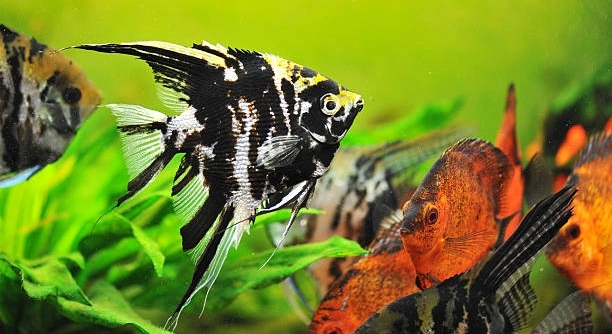
Angelfish are beautiful creatures that make wonderful additions to any aquarium. However, encouraging them to spawn can be a challenge for many fishkeepers. With the right care, environment, and a bit of patience, you can increase your chances.
To encourage angelfish to spawn, you must provide the ideal water conditions, a proper diet, and a stress-free environment. Ensuring a suitable tank setup with places to lay eggs and maintaining stable water parameters will help trigger spawning.
Knowing the right approach can make a big difference in the success of breeding your angelfish. Continue reading to discover the key steps to make your aquarium a spawning paradise for these beautiful fish.
1. Provide Optimal Water Conditions
Angelfish are sensitive to their water conditions, and the right environment plays a significant role in their ability to spawn. The ideal water temperature for angelfish is between 78°F and 82°F (25-28°C). Make sure the water is soft to moderately hard and maintain a slightly acidic to neutral pH level of 6.5 to 7.5. Regular water changes are important to keep the water clean and to prevent harmful toxins from building up.
A filter is essential to keep the water clean, but avoid strong currents that might stress the fish. Angelfish prefer calm waters when spawning. Consider using a sponge filter, as it provides gentle filtration without disturbing the fish. Keeping the water temperature consistent is crucial for triggering breeding behavior.
Additionally, angelfish require stable water parameters. A sudden change in pH, temperature, or hardness can stress them and prevent spawning. Consistency is key. Keeping the water quality stable will give your angelfish the best chance to breed successfully.
2. Provide Hiding Spots and Breeding Surfaces
Angelfish need a safe, secure place to lay their eggs. Offering plenty of hiding spots and surfaces will encourage them to spawn. A flat surface such as a broad leaf, aquarium glass, or smooth rock can be ideal for the eggs. These surfaces provide a safe space for the female to deposit her eggs while the male fertilizes them.
In addition to flat surfaces, provide plants or decorations that give the angelfish a sense of security. Plants like Java fern or Amazon swords can offer additional hiding spaces, which help reduce stress. Angelfish will often lay their eggs in areas where they feel protected from potential threats.
Creating a peaceful and low-stress environment is crucial. Stress can hinder the spawning process and cause angelfish to delay or abandon their attempts. By ensuring the tank is quiet, well-structured, and provides ample privacy, you create an atmosphere conducive to successful breeding.
3. Feed Them Well
Proper nutrition is essential to promote healthy breeding. A varied diet rich in nutrients can encourage angelfish to spawn. Feed them high-quality flake foods, supplemented with frozen or live foods like brine shrimp, bloodworms, or daphnia. These foods help improve the fish’s overall health and energy levels, which are necessary for successful breeding.
Angelfish benefit from a balanced diet. While flakes provide basic nutrition, live or frozen food offers extra protein and variety that will help keep them strong and healthy. Be sure to feed your angelfish a range of foods to support their spawning behavior and improve the chances of fertilization.
Feeding your angelfish at regular intervals ensures they remain well-fed and energized, which is essential for breeding. When well-nourished, angelfish will be more likely to develop the necessary reproductive behaviors needed for spawning. With proper nutrition, you’ll see increased vitality, which can lead to more successful spawning events.
4. Separate the Breeding Pair
When trying to encourage angelfish to spawn, it’s a good idea to pair them up first. Angelfish are social creatures, but in the case of breeding, it’s best to separate males and females and let them form a bond. Introducing the male and female together in a separate breeding tank can help them focus on each other without distractions.
A breeding tank should have the same water conditions as the main tank but with minimal decorations to avoid stressing the fish. The tank should be large enough to give the angelfish space to swim around and feel comfortable. Once they have paired up, the male and female will likely exhibit courtship behaviors.
During courtship, the male will often display his fins and nudge the female towards the spawning site. The female will then lay her eggs, while the male fertilizes them. Keeping the breeding pair together in a separate tank allows the process to unfold with minimal interference from other fish, helping to ensure a higher chance of success.
5. Maintain Consistent Lighting
Lighting plays a key role in angelfish breeding behavior. To encourage spawning, use a consistent day-night light cycle. Angelfish typically spawn when they feel secure, and lighting helps set that rhythm. A timer to regulate lighting for 10 to 12 hours a day will mimic natural conditions.
Bright lighting during the day encourages activity and allows the angelfish to feel secure. However, avoid harsh, direct lighting. Instead, use soft lighting to create a calm environment. Some breeders even use dim lighting in the breeding tank to give the fish privacy and reduce stress.
Switching the light on and off at the same time every day helps establish a regular routine. Over time, this will signal to your angelfish that it is time to breed. Consistency in lighting is a simple yet effective way to help trigger spawning behavior.
6. Increase Tank Temperature Slightly
Increasing the water temperature slightly can mimic the warm season, triggering angelfish to spawn. A small increase of around 2 to 3 degrees Fahrenheit (1 to 2 degrees Celsius) may encourage them to begin the breeding process. Ensure the temperature doesn’t rise too quickly, as rapid changes can stress the fish.
Maintaining a stable and slightly elevated temperature within the optimal range for angelfish is important. With the water temperature between 80°F and 82°F (27-28°C), the fish will feel more comfortable and ready to spawn. The slight increase in temperature simulates the arrival of warmer weather, signaling the time for reproduction.
Along with warmer water, make sure to maintain clean water with the appropriate parameters. A stable environment, including temperature and water quality, will help your angelfish focus on breeding rather than stressing about their surroundings. With proper temperature control, you’ll see increased spawning success.
7. Remove Other Fish from the Tank
Angelfish may feel threatened or stressed by other tankmates during breeding. For successful spawning, it’s best to remove other fish from the tank. This gives the breeding pair the space they need and prevents aggression or disturbance during the process.
By removing the other fish, you allow the angelfish to focus on each other and create a safer, more secure environment for spawning. With fewer distractions, they are more likely to feel comfortable enough to lay and fertilize their eggs. This is one of the simplest ways to promote successful breeding.
8. Be Patient and Observant
Angelfish breeding can take time, and patience is key. Sometimes they may not spawn right away, even with ideal conditions. Be observant of their behavior and make small adjustments if necessary, but avoid making drastic changes that could disrupt their natural process.
Watch for signs of courtship behavior, such as the male displaying his fins or nudging the female toward the breeding site. When you notice these behaviors, you’ll know they are preparing to spawn. Continue to monitor the water conditions and tank setup to ensure everything remains optimal for their breeding efforts.
9. Allow the Eggs to Hatch Naturally
Once the eggs are laid, the male will fertilize them, and the couple will protect the eggs from any potential threats. At this stage, it’s important not to interfere too much. Allow the parents to care for the eggs and watch over them as they hatch.
FAQ
Why aren’t my angelfish spawning?
There can be several reasons why angelfish aren’t spawning, even if you’ve provided the perfect conditions. One common cause is stress. If your angelfish are exposed to fluctuating water conditions, bright lighting, or tankmates that cause them anxiety, they may avoid spawning. Ensure the tank setup is calm and stable. Another reason could be that the fish are too young or too old. Angelfish typically begin breeding around 6 months old, but some may take longer. If the fish are too old, their breeding capabilities may decline. Make sure they are in their prime breeding years.
How long does it take for angelfish to lay eggs?
After being properly conditioned, angelfish can lay eggs within a few days to a couple of weeks. The process begins with courtship, which can last a few days. Once the female is ready, she will lay her eggs, usually on a flat surface like a leaf or aquarium glass. After laying, the male will fertilize the eggs, and both parents will protect them. The entire spawning process is a bit unpredictable, but with patience, the angelfish will usually lay their eggs once they feel secure in the environment.
How do I know if my angelfish are ready to spawn?
There are a few signs to look out for when your angelfish are ready to spawn. The male will often display his fins and follow the female around the tank, nudging her toward a suitable spawning site. The female will develop a visible ovipositor (a small tube near her vent) that will allow her to lay eggs. During courtship, both fish will often swim close together and may exhibit intense swimming or even face-offs with other fish. These behaviors are indicators that the pair is preparing to spawn.
What should I do with the eggs after they are laid?
Once the eggs are laid, you should avoid interfering too much. The parents will guard the eggs, protecting them from any threats. If you have a breeding pair, they will likely take care of the eggs, fanning them to keep them oxygenated. If you have other fish in the tank, it’s best to remove them to prevent the eggs from being eaten. If you want to ensure a higher success rate, you can remove the eggs to a separate hatchery tank, but keep in mind that the parents may not accept this method.
Do I need to remove the angelfish fry after they hatch?
Once the angelfish fry hatch, the parents will continue to protect them and even help them move to a safer spot in the tank. In the wild, fry are often raised by their parents, and in a tank, it’s often best to allow the parents to raise them. However, if you are concerned about the survival of the fry due to aggressive tankmates or poor water conditions, you can move them to a separate tank. It’s important to ensure that the water conditions in the new tank are suitable for fry development, including proper temperature and cleanliness.
What should I feed the angelfish fry?
When the fry first hatch, they will survive off their yolk sac for a few days. Once they become free-swimming, they will need small, live foods like infusoria, baby brine shrimp, or specially designed fry food. As they grow, you can begin introducing crushed flake foods or finely ground pellets. Be sure to provide a variety of foods that are easy for the small fry to eat. Regularly monitor water quality to ensure it remains optimal as excess food can quickly deteriorate the water conditions.
How do I maintain the water conditions for breeding angelfish?
Keeping the water stable is crucial for encouraging angelfish to spawn. First, maintain a consistent temperature between 78°F and 82°F (25-28°C) and ensure the pH stays between 6.5 and 7.5. Soft to moderately hard water is also ideal for breeding. Regular water changes are necessary to keep the water clean and free of toxins. Aim to change 25% of the water every week or as needed. It’s also important to keep the water well-oxygenated, especially during the egg and fry stages. Use a sponge filter for gentle filtration that won’t disturb the fish.
How can I ensure the angelfish eggs don’t get eaten?
To prevent the angelfish eggs from being eaten by tankmates, it’s best to remove other fish from the breeding tank. If you’re breeding angelfish in a community tank, move the breeding pair to a separate, quiet tank that’s set up specifically for spawning. Once the eggs hatch, the parents will usually protect the fry, but be mindful of any potential risks from other tankmates that may try to eat the eggs or fry. You may also consider using breeding cones or flat surfaces for the eggs to minimize the chance of predation.
Can angelfish lay eggs without a mate?
Angelfish generally require both a male and a female to successfully lay fertilized eggs. However, it’s possible for a female to lay eggs even without a mate. These eggs will be unfertilized and will not hatch. If this happens, you’ll notice that the eggs will turn white and eventually rot. This is a natural occurrence if there isn’t a male present. If you want to breed angelfish, having a bonded pair is essential for successful reproduction.
Can I breed different types of angelfish together?
Yes, you can breed different types of angelfish together, such as a mix of koi, marble, or veil-tail angelfish. However, it’s important to understand that crossbreeding may result in hybrid offspring, which can exhibit a range of physical characteristics. The fry will inherit traits from both parents, so you may not know exactly what to expect in terms of coloration and fin shape. Keep in mind that hybrid angelfish may have different care requirements, and it’s important to monitor their health as they grow.
Final Thoughts
Breeding angelfish can be a rewarding experience, but it requires patience and attention to detail. Ensuring the right water conditions, providing a suitable breeding environment, and maintaining a consistent routine are all essential steps in encouraging your angelfish to spawn. While it may take time for them to become comfortable enough to breed, following the right practices will increase your chances of success. The most important factors are water quality, temperature, and keeping the tank calm. By minimizing stress and providing the proper resources, you can help create an environment that is conducive to breeding.
Throughout the process, be patient and observant. Angelfish often take their time before they begin spawning, and each pair may have different needs. It’s important not to rush the process. Stressing the fish by constantly adjusting the environment or introducing new tankmates can disrupt their natural behavior and prevent them from spawning. Letting them develop a bond naturally, along with giving them ample space, will help them feel more secure in their surroundings. Keep an eye on their behavior and provide the right conditions, but don’t expect immediate results.
If you’re breeding angelfish for the first time, don’t be discouraged if it doesn’t happen right away. As long as you maintain a stable environment, ensure the fish are healthy, and respect their natural rhythm, you’ll likely see results in time. There will be challenges along the way, but the key is to learn from each attempt and keep adjusting based on the needs of your angelfish. With a little patience, you’ll be able to enjoy watching your angelfish successfully spawn and raise their fry.

Hello,
If you enjoy the content that we create, please consider saying a "Thank You!" by leaving a tip.
Every little bit helps us continue crafting quality advice that supports the health, happiness, and well-being of pets around the world, for pets of all shapes, sizes, and species.
We really appreciate the kindness and support that you show us!