
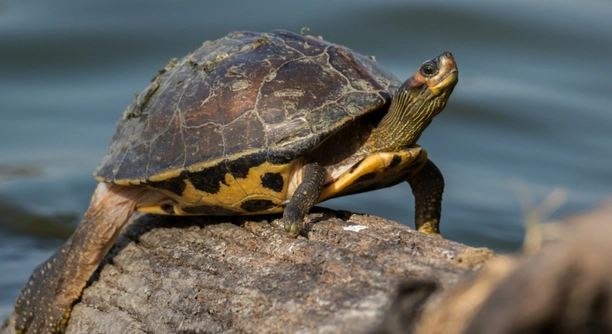
Bonding with your Indian Roofed Tortoise is a rewarding experience. These unique reptiles have distinct personalities and enjoy certain types of interactions. Understanding their behavior and needs can help you connect with them in meaningful ways.
Engaging with your tortoise involves consistent, gentle care and patience. Offering a suitable habitat, feeding them the right diet, and spending quality time together help foster a connection. Gradually, your tortoise will become more comfortable and responsive.
Maintaining a proper environment and offering the right interactions will strengthen your bond. Let’s explore the best ways to connect with your Indian Roofed Tortoise.
Create a Comfortable Habitat
Creating a suitable living environment for your Indian Roofed Tortoise is key to building a strong bond. These tortoises need space to roam, warmth, and proper humidity. A well-maintained terrarium or outdoor enclosure should provide them with a safe, quiet space where they can thrive. The enclosure should have a basking area with proper lighting to mimic sunlight. Providing hiding spots for your tortoise will help them feel secure and reduce stress. Be sure to include fresh water and offer areas for burrowing to encourage natural behaviors.
Creating the right habitat ensures your tortoise feels at ease and allows your bond to develop naturally. Make sure the temperature and humidity levels are appropriate for their needs, adjusting based on seasonal changes.
A healthy, comfortable space will allow your tortoise to express natural behaviors, and over time, they will begin to trust you. A safe environment encourages exploration, which helps foster a connection. Ensuring their space is clean, comfortable, and stimulating will contribute to their overall well-being.
Offer Proper Nutrition
Proper nutrition plays a significant role in bonding with your tortoise. A balanced diet of leafy greens, vegetables, and occasional fruit will keep your tortoise healthy and content. You may also provide supplements like calcium to support their shell and bone growth. Consistently feeding them at the same time each day can help build a routine, allowing them to associate you with care and comfort.
Offering food by hand can also strengthen your relationship, allowing them to recognize your presence as a positive one. Over time, they will begin to trust you more when they see you as the provider of nourishment.
While food is important, providing variety ensures they get the essential nutrients they need for long-term health. Avoid feeding them processed foods or too many high-oxalate plants, as these can cause health issues. Maintaining a nutritious diet is essential for strengthening your connection.
Spend Quality Time Together
Spending quality time with your tortoise helps build trust. Sit near their enclosure regularly, speaking in a soft tone. This helps them get used to your presence. Over time, they will associate your presence with safety and comfort.
Try gently offering your hand for them to explore. Be patient; allow them to approach you at their own pace. Some tortoises may be shy at first, but they’ll eventually grow comfortable. Spending time with them regularly helps establish a routine, and your tortoise will become more familiar with your movements and actions.
The more you interact with them, the more likely they are to bond. Handle your tortoise gently, avoiding sudden movements or loud noises that might startle them. With patience and consistency, your tortoise will learn to trust you. This trust is vital in creating a lasting connection, making future interactions more enjoyable.
Respect Their Space
It’s important to respect your tortoise’s need for space. Unlike some pets, they may not enjoy constant handling. When they retreat into their shell or seem uninterested in interaction, give them the time they need to rest and recharge.
By allowing your tortoise to have moments of solitude, you show them respect. They will feel safer in their environment, and over time, they may seek out your company when they’re ready. Giving them space also prevents stress, which can affect their health. Every tortoise has their own personality, and some may prefer alone time more than others.
The key is to strike a balance between spending time with them and allowing them the freedom to retreat. Respecting their boundaries will ultimately build trust. As they grow more comfortable with you, they’ll gradually come to you more often, especially when they feel secure in their space.
Offer a Variety of Enrichment
Providing enrichment helps your tortoise stay active and mentally stimulated. Incorporate elements like rocks, logs, or plants into their habitat. These items encourage natural behaviors like climbing, hiding, and foraging. The more variety you offer, the more interested and engaged your tortoise will become.
Offer different textures and objects to interact with, as these activities mimic their natural environment. Try providing a mix of dry and moist areas so they can explore. Occasionally rotating items within their enclosure keeps the environment fresh and encourages curiosity, making it easier to form a connection.
Tortoises are intelligent creatures and enjoy new experiences. Introducing new activities or habitats encourages exploration and builds a bond over time. Interaction through these enriching activities makes your tortoise feel more engaged, while helping them stay physically and mentally healthy.
Monitor Their Health
Regularly monitoring your tortoise’s health shows you care. Watch for signs of illness, such as lethargy or changes in eating habits. Ensuring they stay healthy means they can enjoy time with you, leading to more bonding moments.
Provide routine check-ups and maintain proper hygiene in their environment.
Use Positive Reinforcement
Rewarding your tortoise for positive behaviors helps build trust and strengthens the bond. Offering a small treat or extra attention after an interaction can make them more likely to repeat those behaviors. It’s important to be consistent, so they can link specific actions with rewards.
This type of training helps create a positive connection with your tortoise. Positive reinforcement encourages them to feel safe and secure, associating your presence with good experiences. A consistent routine that incorporates rewards can foster a deeper relationship between you and your tortoise.
FAQ
How do I know if my Indian Roofed Tortoise is happy?
A happy tortoise will appear active and alert. They will actively explore their environment, move around their enclosure, and show interest in food. A lack of movement, hiding constantly, or a refusal to eat may signal discomfort or stress. Regular monitoring of their behavior can give you a better understanding of their emotional state.
What is the best way to handle my tortoise?
When handling your tortoise, always do so gently and slowly. Avoid sudden movements that could startle them. Support their body fully by holding them under their belly and allowing their legs to move naturally. Never pick them up by the shell, as it can cause them stress.
How often should I feed my Indian Roofed Tortoise?
Indian Roofed Tortoises typically need to be fed daily. A balanced diet should include leafy greens, vegetables, and occasional fruits. Providing variety is important for their health. Feeding them at the same time each day helps establish a routine and can strengthen your bond.
Can I let my tortoise roam freely in the house?
While it’s okay to let your tortoise roam in a safe, controlled space occasionally, it’s essential to ensure the area is free of hazards. Watch for small objects that could be eaten or areas where they could get stuck. Always supervise your tortoise to keep them safe.
How can I make my tortoise feel comfortable in a new environment?
Give your tortoise time to adjust to their new surroundings. Keep their environment calm and quiet. Provide a hiding spot where they can retreat if they feel threatened or stressed. Gradually introduce them to new spaces and let them explore at their own pace.
How can I tell if my tortoise is sick?
Signs of illness in a tortoise include lethargy, a lack of appetite, or difficulty moving. If their eyes are cloudy, they have discharge from their nose, or their shell looks damaged, these can also be signs of illness. Always consult a veterinarian if you suspect something is wrong.
Do Indian Roofed Tortoises need a UV light?
Yes, UV light is crucial for the health of your tortoise. It helps them produce vitamin D3, which is needed for calcium absorption. Without proper UVB lighting, they can develop shell deformities or other health issues. Ensure the lighting is at the right distance and intensity to be effective.
What should I do if my tortoise is not eating?
If your tortoise isn’t eating, check their environment first. Ensure the temperature and humidity are within the proper range. Stress, improper food, or illness can also affect appetite. If the lack of eating continues for more than a couple of days, consult a veterinarian for advice.
How do I clean my tortoise’s enclosure?
Regular cleaning is important for keeping your tortoise’s habitat healthy. Remove waste and uneaten food daily. Clean the entire enclosure thoroughly once a week, replacing bedding and cleaning any surfaces with mild, tortoise-safe disinfectants. Always ensure that everything is dry before putting your tortoise back.
Can I keep more than one tortoise together?
Indian Roofed Tortoises can sometimes live together, but it depends on their personalities. Some tortoises may get along well, while others might become territorial or aggressive. Always monitor interactions when introducing a new tortoise to ensure both are comfortable and safe. If aggression occurs, separate them.
How can I help my tortoise exercise?
Encourage exercise by offering a spacious area for your tortoise to roam. Provide climbing structures, rocks, or logs to promote physical activity. A variety of textures and obstacles will keep them engaged and help maintain their muscle strength. The more they move, the healthier they will be.
What temperature should I keep my tortoise’s enclosure?
Indian Roofed Tortoises thrive in temperatures between 75°F and 85°F (24°C to 29°C) during the day. A basking spot should reach about 90°F (32°C). At night, the temperature can drop to around 70°F (21°C). Always monitor the temperature with a thermometer to ensure they’re comfortable.
How do I know if my tortoise is stressed?
Signs of stress in a tortoise can include hiding more often, loss of appetite, or reluctance to move around. Stress can be caused by changes in their environment, improper handling, or temperature fluctuations. Providing a stable and calm environment is key to keeping your tortoise at ease.
What type of substrate is best for my tortoise’s enclosure?
A good substrate should be natural and absorbent, such as coconut coir, cypress mulch, or organic soil. Avoid using sand or gravel, as it can cause digestion issues if ingested. Keep the substrate clean and dry to prevent mold and bacteria buildup. Regularly change the bedding to maintain cleanliness.
Can I take my tortoise outside?
Yes, you can take your tortoise outside, but only in a secure, safe area. Avoid places with predators or hazards like chemicals and high-traffic areas. Ensure the outdoor temperature is suitable, and provide shade and fresh water. Always supervise your tortoise when they’re outdoors.
What should I do if my tortoise is shedding its skin?
Shedding is a normal part of a tortoise’s growth process. If your tortoise is shedding, ensure their humidity levels are appropriate to assist with the process. Gentle bathing in warm water can help loosen the skin. Do not try to peel it off, as it could harm their skin.
Final Thoughts
Bonding with your Indian Roofed Tortoise is a rewarding experience. By understanding their behavior and needs, you can build a strong connection with your pet. The process involves consistent care, observation, and providing the right environment. Tortoises may take time to warm up to their owners, but with patience, they can become more comfortable around you.
It’s important to remember that each tortoise has its own personality. Some may be more curious, while others prefer their space. Respecting these boundaries while providing enrichment and care will help strengthen your bond over time. Simple actions, like feeding them regularly and offering new experiences, can make a significant difference in how your tortoise interacts with you. Positive reinforcement and gentle handling also play a role in creating trust.
In the end, your relationship with your Indian Roofed Tortoise will be built on respect, consistency, and care. Every small effort contributes to a deeper connection. Whether through daily routines, observing their behaviors, or simply spending time together, these moments will create a lasting bond.

Hello,
If you enjoy the content that we create, please consider saying a "Thank You!" by leaving a tip.
Every little bit helps us continue crafting quality advice that supports the health, happiness, and well-being of pets around the world, for pets of all shapes, sizes, and species.
We really appreciate the kindness and support that you show us!