
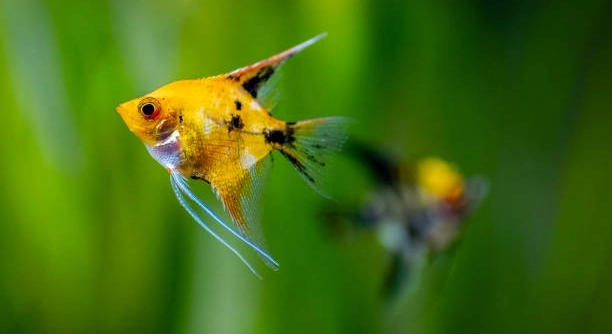
Angelfish are beautiful, delicate creatures that thrive in clean, healthy water. Maintaining the right water conditions is essential to their well-being. Different treatments can help prevent health issues and keep your fish vibrant and active in their tank.
The best water treatments for angelfish focus on maintaining proper pH levels, temperature, and cleanliness. Regular water changes, along with the use of water conditioners, dechlorinators, and biological filtration systems, support a stable and healthy environment for these sensitive fish.
Taking the right steps to maintain clean water is crucial. The following treatments will help ensure your angelfish stay healthy and thrive in their aquatic home.
Regular Water Changes
One of the most effective ways to keep your angelfish healthy is by performing regular water changes. Changing 20-25% of the tank water every week helps remove toxins, excess nutrients, and waste that accumulate in the water. This practice improves water quality and prevents common fish diseases. When performing water changes, ensure that the new water matches the temperature and pH of the tank water to avoid stressing your fish. It’s also important to use a dechlorinator to neutralize harmful chlorine and chloramine from tap water.
A good practice is to test the water before and after each water change. This ensures that pH, ammonia, and nitrate levels are within the ideal range for angelfish. Keeping a consistent schedule will also help prevent sudden changes in water chemistry, which can stress your fish.
Water changes not only improve the overall health of your angelfish but also keep the tank environment fresh and inviting. Proper filtration, combined with regular water changes, can go a long way in ensuring your angelfish live long, healthy lives.
Water Conditioners and Dechlorinators
Water conditioners and dechlorinators are essential when treating tap water. These treatments remove harmful chemicals like chlorine and chloramine, which can stress or harm your fish.
Using dechlorinators before adding water to the tank is vital for angelfish health. Tap water often contains chlorine or chloramine, which are toxic to fish. Dechlorinators neutralize these chemicals, making the water safe for aquatic life. Make sure to follow the product instructions carefully for the right dosage.
Additionally, water conditioners can also help balance the water’s hardness and remove other impurities. It’s important to note that different conditioners address various water issues. Some conditioners improve water quality by promoting healthy bacteria growth, which aids in natural filtration. Others can adjust the pH level, which is crucial for angelfish to thrive. Consistently using water conditioners will enhance water quality and keep your angelfish stress-free.
Biological Filtration
A biological filtration system works by using beneficial bacteria to break down toxic ammonia and nitrites in the water. This filtration method is essential for maintaining a healthy tank environment for angelfish. It helps process waste products from the fish and uneaten food, preventing harmful buildups.
Biological filtration systems usually come with ceramic rings, sponges, or bio-balls that provide a surface for bacteria to grow. As water passes through these materials, beneficial bacteria convert harmful chemicals into less toxic compounds like nitrates. This process keeps the tank’s water clean and reduces the need for frequent water changes.
While biological filters are effective, it’s important to monitor the system and maintain it regularly. Clean the filter media every few weeks to prevent clogging and ensure proper water flow. Keeping the biological filter in good condition promotes a healthy balance of bacteria and supports the overall health of your angelfish.
Proper Tank Temperature
Maintaining the correct water temperature is crucial for the health of your angelfish. Angelfish thrive in a range between 76-82°F (24-28°C). Temperatures that are too high or too low can lead to stress and illness. Use an accurate aquarium heater to keep the water at a stable temperature.
It’s essential to regularly check the water temperature with a thermometer to ensure it stays within the ideal range. Fluctuating temperatures can weaken the immune system of angelfish, making them more susceptible to diseases. A heater with a built-in thermostat helps maintain a steady environment.
During colder months, tank temperatures can drop quickly, so it’s necessary to monitor them closely. A stable, warm environment encourages healthy growth and prevents unnecessary stress for your fish. Ensure the tank’s heater is set correctly, as extreme temperature variations can shorten the life of your angelfish.
pH Balance
The pH level of your tank water can greatly impact the health of your angelfish. The ideal pH range for angelfish is between 6.8 and 7.8. If the pH strays outside this range, your fish may experience stress, which can lead to various health problems.
To maintain proper pH levels, regularly test the water with a pH kit. If the pH is too low or high, use a buffer to adjust it slowly. Abrupt changes can harm the fish and disrupt the beneficial bacteria in the tank. Regular testing ensures your angelfish stay in optimal conditions.
Adding natural substances like driftwood or almond leaves can help lower the pH slightly, which is often beneficial for angelfish. Conversely, crushed coral or limestone can raise the pH if necessary. Keeping a balanced pH ensures your angelfish remain comfortable and healthy.
Water Filtration
A good filtration system is vital for keeping your angelfish tank clean. A filter removes waste, excess food, and harmful chemicals. It’s important to choose a filter with the right capacity for your tank size to ensure it works efficiently without causing too much water movement.
Different filters work in different ways, but a combination of mechanical, biological, and chemical filtration is ideal. Mechanical filtration removes particles, biological filtration supports beneficial bacteria, and chemical filtration eliminates toxins like ammonia. Together, these systems help maintain a stable and healthy environment for your angelfish.
Regular maintenance of the filter is key. Clean the filter media every month to avoid clogging and reduce the risk of harmful bacteria buildup. Be sure to replace the filter cartridge as needed for continued efficiency. A well-maintained filter ensures clean, safe water for your fish.
Water Additives
Water additives can help improve the quality of your angelfish’s environment. These products help with water conditioning, stabilizing pH, and neutralizing toxins. It’s important to use additives specifically designed for aquarium water to avoid harmful effects on your fish.
Always read the instructions before using any water additives. Adding too much can harm the delicate balance of your tank’s ecosystem. Many water conditioners also help remove harmful chemicals like chlorine and chloramine, which are commonly found in tap water. Use them regularly, especially after water changes, to ensure the water stays safe for your angelfish.
Tank Cleaning
Regular tank cleaning is essential for maintaining a healthy environment for your angelfish. Start by wiping down the inside of the glass to remove algae and debris. Clean the substrate and remove any uneaten food to prevent water quality issues.
A thorough cleaning every couple of weeks is recommended. Be careful not to disturb the biological filter or beneficial bacteria during cleaning. It’s best to use a siphon or gravel vacuum to remove waste from the substrate while leaving the filter media untouched. Cleaning your tank regularly helps prevent potential health issues for your angelfish.
FAQ
What is the ideal water temperature for angelfish?
Angelfish thrive in temperatures between 76-82°F (24-28°C). Keeping the water within this range promotes their overall health and reduces stress. If the temperature fluctuates too much or goes outside this range, it can weaken their immune system, making them more prone to diseases. Regular monitoring with a thermometer is recommended to ensure stable conditions. A quality heater with an adjustable thermostat is essential for maintaining the right temperature in your tank.
How often should I change the water in my angelfish tank?
Water changes should be done weekly, with 20-25% of the tank’s water replaced each time. This helps maintain optimal water quality by removing waste, uneaten food, and harmful chemicals. Changing the water regularly also prevents the buildup of ammonia and nitrates, which can be harmful to your angelfish. Be sure to use dechlorinated water that matches the temperature and pH of the tank to avoid shocking the fish.
How can I maintain proper pH levels in my angelfish tank?
The ideal pH range for angelfish is between 6.8 and 7.8. To maintain the right pH, regularly test your tank’s water with a pH kit. If the pH is too low, you can use crushed coral or limestone to raise it. If it’s too high, adding driftwood or almond leaves can help lower it. It’s important to make adjustments slowly to avoid stressing your fish. Sudden pH changes can be harmful, so keep the pH stable for your angelfish’s health.
How do I know if my angelfish are stressed?
Stressed angelfish may display several signs, including rapid swimming, hiding, or changes in coloration. They might also stop eating or show signs of aggression toward tank mates. Stress in angelfish can be caused by factors such as poor water quality, incorrect temperature, or overcrowding. Monitoring your tank conditions and ensuring that the environment is stable and stress-free will help prevent these issues.
Can I keep angelfish with other fish?
Yes, angelfish can be kept with other fish, but it’s important to choose compatible tank mates. Avoid aggressive or overly territorial species that could harm your angelfish. Peaceful fish such as tetras, corydoras, and gouramis are often good companions. Always consider the size and temperament of other fish before adding them to your angelfish tank.
How do I clean the filter in my angelfish tank?
Cleaning the filter is important to maintain proper water flow and filtration. Rinse the filter media in tank water during water changes to remove debris, but avoid using tap water, as it can kill beneficial bacteria. Clean the filter every 4-6 weeks, depending on the size of your tank and the type of filter. Replace the filter media as recommended by the manufacturer. Regular maintenance will ensure that the filter continues to provide efficient filtration.
What kind of food should I feed my angelfish?
Angelfish are omnivores and should be fed a varied diet that includes both plant-based and protein-rich foods. High-quality flakes, pellets, and freeze-dried or frozen food like brine shrimp or bloodworms are excellent options. Offer vegetables like blanched spinach or zucchini as well. Feed small amounts several times a day to prevent overfeeding and ensure proper digestion. Be sure to remove any uneaten food to avoid water quality issues.
How do I prevent algae growth in my angelfish tank?
Algae growth can be controlled by maintaining good water quality, performing regular water changes, and limiting the amount of light your tank receives. Use a timer to keep the aquarium lights on for about 8-10 hours per day. Algae eaters, like certain species of snails or algae-eating fish, can help keep algae under control. It’s also important to avoid overfeeding, as excess nutrients in the water can encourage algae growth.
Do angelfish need a special type of substrate?
Angelfish don’t require a specific type of substrate, but it’s important to provide a surface that allows for easy cleaning and doesn’t harbor harmful bacteria. A fine gravel or sand substrate works well and is easy to maintain. If you plan to keep live plants in the tank, a nutrient-rich substrate will help them grow, but angelfish won’t mind a simple substrate if plants aren’t part of the setup.
How can I tell if my angelfish are healthy?
Healthy angelfish have bright, vibrant colors and clear, smooth fins. They should swim gracefully and be active, without showing signs of lethargy or distress. Healthy angelfish are also good eaters and will approach food eagerly. If you notice any unusual behavior, discoloration, or signs of disease such as spots, lesions, or swollen areas, it may indicate health issues that need attention.
What should I do if my angelfish are sick?
If you notice any signs of illness, it’s important to first quarantine the sick fish to prevent the spread of disease to other tank mates. Treat the fish with appropriate medications for the specific illness, such as antifungal or antibacterial treatments. Ensure that water quality is optimal during this time and continue to monitor the fish closely. In some cases, it may be necessary to consult with a veterinarian or aquatic specialist for further advice.
Can angelfish live with plants in the tank?
Yes, angelfish can live with plants, and they often enjoy having plants to swim around and hide in. Live plants provide additional benefits by improving water quality through natural filtration. However, be mindful that angelfish may nibble on soft-leaved plants. Hardy plants like Anubias or Java fern are good options for angelfish tanks.
How big do angelfish get?
Angelfish typically grow to about 6 inches (15 cm) in length, though some varieties can grow slightly larger. They can also develop a height of 8 inches (20 cm) when their fins are fully extended. Due to their size and fins, they require a tank with ample swimming space. Providing enough room for your angelfish to move freely ensures they stay healthy and stress-free.
Final Thoughts
Maintaining a healthy environment for your angelfish is essential for their well-being. Water quality plays a significant role in preventing diseases and ensuring that your fish remain vibrant and active. Regular monitoring of factors like temperature, pH, and ammonia levels can help you identify potential problems before they become serious. A stable environment, including a good filtration system, proper water changes, and the right water additives, is crucial to keep the tank balanced.
In addition to water quality, feeding your angelfish a balanced diet and providing a tank that mimics their natural habitat will help them thrive. Angelfish are peaceful and social creatures, so choosing compatible tank mates and avoiding overcrowding is key. Keeping live plants in the tank can also contribute to a healthier environment by improving water quality and providing hiding spots for your fish. Always consider the size of your tank and the needs of your fish when adding new elements or fish to the tank.
Lastly, regular tank maintenance, including cleaning the filter and performing water changes, is vital for keeping your angelfish healthy. By staying on top of water quality, diet, and maintenance, you can create a stable and healthy environment for your angelfish to thrive in. Consistency is key, as it helps prevent issues from escalating. With the right care, angelfish can live long, healthy lives, and you’ll be able to enjoy their beauty and calm presence in your aquarium.

Hello,
If you enjoy the content that we create, please consider saying a "Thank You!" by leaving a tip.
Every little bit helps us continue crafting quality advice that supports the health, happiness, and well-being of pets around the world, for pets of all shapes, sizes, and species.
We really appreciate the kindness and support that you show us!