
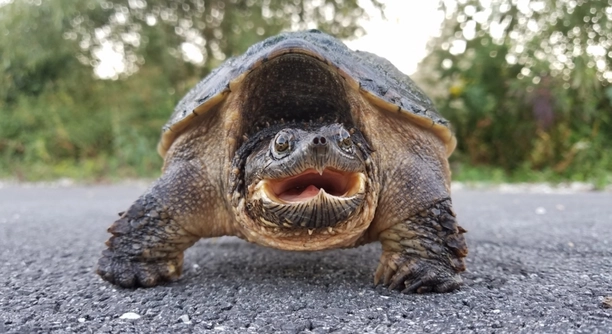
A common snapping turtle tank requires proper water treatment to maintain a healthy environment. Their unique needs depend on factors like water quality and temperature. Understanding the right treatments ensures the well-being of your turtle.
The best water treatments for a common snapping turtle tank include filtration systems, regular water changes, proper pH balance, and temperature control. Using dechlorinated water and adding beneficial bacteria can also help maintain a clean and healthy aquatic environment.
Proper water treatments are crucial for keeping your snapping turtle healthy and thriving. Learn how to optimize their tank’s environment and ensure they stay happy and well-cared-for.
Filtration Systems for Your Snapping Turtle Tank
A good filtration system is one of the most important aspects of maintaining your snapping turtle tank. These turtles can produce a lot of waste, and without a proper filter, the water can quickly become polluted. Look for a filter that provides both mechanical and biological filtration to remove debris and toxins. The filter should be rated for a tank that is at least 1.5 times the size of your tank to ensure efficiency.
A quality filter helps to keep the water clear, reduces the frequency of water changes, and contributes to overall tank health.
Remember to clean the filter regularly to ensure its effectiveness. This is a simple yet essential step that will save you time in the long run. If the filter is clogged or ineffective, harmful bacteria can build up, which is detrimental to the turtle’s health. Additionally, consider filters that are easy to maintain, as this will save you time and effort while keeping the water quality high.
Water Changes and Dechlorination
Changing the water in your turtle’s tank is another crucial part of water treatment.
Performing partial water changes once a week ensures that the tank remains clean and free from harmful chemicals. It’s important to dechlorinate the water before adding it to the tank. Chlorine can harm your turtle’s sensitive skin and gills.
To remove chlorine, use water conditioners or let the water sit for 24 hours before adding it to the tank. Regular water changes help prevent the buildup of harmful waste, and keeping the water clean supports the overall health of your turtle. Dechlorinating the water ensures no chemicals are left behind, offering a safer environment for your snapping turtle.
pH Balance and Water Chemistry
Maintaining the proper pH balance is essential for your turtle’s health. Snapping turtles thrive in slightly acidic to neutral water, with a pH range of 6.5 to 7.5.
If the pH level drops or rises too much, it can stress the turtle and cause other health problems. Regular testing of the water using a simple pH testing kit is recommended. If the pH is out of range, you can adjust it with a pH stabilizer or by adding natural elements like driftwood to lower it.
Keeping the water chemistry stable is important for the overall well-being of your turtle. Regularly check for other water parameters like ammonia, nitrite, and nitrate levels, as these can also affect your turtle’s health. Proper pH levels and water quality contribute to a healthier, happier snapping turtle, reducing the risk of diseases.
Temperature Control for Snapping Turtles
Snapping turtles are cold-blooded, so maintaining the correct water temperature is crucial for their health.
The ideal water temperature for a snapping turtle is between 72°F and 78°F. Temperatures that are too high or low can cause stress, making it harder for the turtle to digest food or thrive. Use a reliable aquarium heater to maintain a consistent temperature.
A stable environment helps to regulate your turtle’s metabolism and ensures that it remains active and healthy. You should also monitor the temperature regularly to prevent sudden fluctuations. Cold water can cause your turtle to become sluggish, while water that is too warm can lead to stress and a weakened immune system.
Beneficial Bacteria
Adding beneficial bacteria to your turtle’s tank can help maintain a healthy ecosystem. These bacteria break down organic waste, such as uneaten food and turtle droppings.
You can introduce beneficial bacteria by adding a bacterial supplement to the water. Over time, these bacteria will help establish a natural filtration system, reducing the need for frequent water changes.
The bacteria help maintain the balance between ammonia and nitrates, ensuring that harmful toxins are broken down before they can affect the turtle. This process improves water quality, making it safer for your turtle to live in.
UVB Lighting
UVB lighting plays an important role in your snapping turtle’s health, as it helps them produce Vitamin D3, necessary for calcium absorption.
Without proper UVB exposure, your turtle may develop shell deformities or weakened bones. Be sure to provide a UVB light for 10-12 hours a day.
Position the light over the basking area so your turtle can absorb the rays directly. Regularly replace the UVB bulb, as it loses effectiveness over time, even if it still emits visible light. Providing this lighting helps mimic natural conditions and supports your turtle’s overall well-being.
FAQ
How often should I clean my snapping turtle’s tank?
You should clean your snapping turtle’s tank at least once a week. This includes changing 25-30% of the water to ensure it stays fresh. In addition, perform a deep cleaning every month, which involves removing debris and scrubbing the tank and decorations. Clean the filter monthly, too, to maintain efficient filtration.
Can I use tap water for my snapping turtle tank?
You can use tap water, but it needs to be dechlorinated before adding it to the tank. Chlorine and chloramine in tap water can harm your turtle’s sensitive skin and gills. Use a water conditioner to remove these harmful chemicals. Let the water sit for 24 hours before introducing it, if necessary, for chlorine to dissipate naturally.
How can I tell if the water temperature is correct for my turtle?
Use a thermometer to monitor the water temperature regularly. The ideal range for snapping turtles is between 72°F and 78°F. If the water is too warm, the turtle may become stressed, and if it’s too cold, it can become sluggish. Adjust the tank’s heater to maintain a consistent temperature within this range.
Is it okay to add other fish or animals to the snapping turtle’s tank?
Snapping turtles are known for their aggressive nature, so it’s not always recommended to add other fish or animals to their tank. If you do choose to introduce tank mates, make sure they are large enough not to be eaten and are non-aggressive. Monitor interactions closely and be prepared to separate them if necessary.
How do I know if the pH level is correct for my snapping turtle?
Use a pH testing kit to check the water’s pH level. The ideal range for snapping turtles is between 6.5 and 7.5. If the pH is too low or too high, you can adjust it by adding specific products designed for aquarium use. Ensure the pH stays stable to prevent stress or illness.
Should I provide a basking area for my snapping turtle?
Yes, a basking area is crucial for your turtle’s health. Snapping turtles need to bask under heat lamps to regulate their body temperature and help with digestion. The basking spot should be dry and allow the turtle to completely leave the water. Make sure the area is easy for the turtle to access.
What kind of filter is best for my snapping turtle tank?
A canister filter is a good option for snapping turtle tanks because it offers strong filtration and can handle the high waste load. It provides both mechanical and biological filtration, which is ideal for keeping the water clean. Choose a filter rated for a tank 1.5 times the size of your tank for optimal performance.
Can snapping turtles live in brackish water?
Snapping turtles prefer freshwater but can tolerate brackish water for short periods. However, if you plan to keep your turtle in brackish water, make sure you research the specific needs and water salinity levels. It’s generally better to provide a stable freshwater environment for your snapping turtle to ensure its long-term health.
How can I maintain good water quality in my turtle’s tank?
Maintaining good water quality starts with regular water changes, using a strong filtration system, and testing water parameters such as pH, ammonia, and nitrate levels. Adding beneficial bacteria can help break down waste. Dechlorinate all new water before adding it to the tank, and keep the temperature stable.
How often should I feed my snapping turtle?
Snapping turtles are opportunistic feeders and should be fed 2-3 times a week. Offer a variety of foods, such as pellets, fish, and vegetables, to ensure a balanced diet. Avoid overfeeding, as this can lead to poor water quality and obesity. Remove any uneaten food after feeding to maintain clean water.
Do snapping turtles need UVB lighting?
Yes, UVB lighting is essential for snapping turtles. It helps them synthesize Vitamin D3, which is necessary for calcium absorption and shell health. Ensure the UVB light is positioned over the basking area and replace the bulb every six months, even if it’s still emitting light, as its UVB output decreases over time.
What kind of substrate is best for a snapping turtle tank?
A bare bottom tank is often the best option for snapping turtles because it’s easier to clean. Gravel or sand can be used, but they can trap debris and make cleaning harder. If you use substrate, make sure it’s large enough so the turtle cannot swallow it, which could lead to digestive issues.
Can snapping turtles live with other types of turtles?
While it’s possible for snapping turtles to live with other turtle species, it’s not always ideal. Snapping turtles are known for being territorial and aggressive. If you decide to keep them with other turtles, ensure the tank is large enough and that the other turtles are not small enough to be viewed as prey.
How do I prevent algae growth in my snapping turtle tank?
Algae growth is common in turtle tanks, especially if there’s too much light or excess nutrients. To reduce algae, limit direct sunlight exposure, perform regular water changes, and ensure your filter is working properly. You can also add algae-eating creatures, like snails, to help control growth.
Final Thoughts
Taking care of a snapping turtle’s tank requires a bit of effort, but it is rewarding for both the turtle and the keeper. The right water conditions, including proper filtration, temperature, and pH levels, are essential for maintaining a healthy environment. Regular cleaning of the tank, along with providing UVB lighting and a basking area, helps mimic natural conditions. This setup ensures your turtle remains active, healthy, and stress-free.
Aside from maintaining the tank, feeding your snapping turtle a balanced diet is also important. Offering a variety of food, such as high-quality pellets, fish, and vegetables, helps keep your turtle well-nourished. Overfeeding can lead to poor water quality, so be sure to remove uneaten food after each meal. Feeding your turtle a few times a week, and not daily, helps prevent unnecessary waste and ensures its diet stays balanced. Always be aware of how much you feed and monitor the health of your turtle.
Finally, patience and observation go a long way when caring for a snapping turtle. Pay attention to the water quality and your turtle’s behavior. If the turtle seems sluggish or the water becomes cloudy, check the tank’s filtration system or perform a water change. Regular maintenance is key to preventing problems from arising. With the right care, your snapping turtle can thrive in its tank, staying healthy and happy for years to come.

Hello,
If you enjoy the content that we create, please consider saying a "Thank You!" by leaving a tip.
Every little bit helps us continue crafting quality advice that supports the health, happiness, and well-being of pets around the world, for pets of all shapes, sizes, and species.
We really appreciate the kindness and support that you show us!