
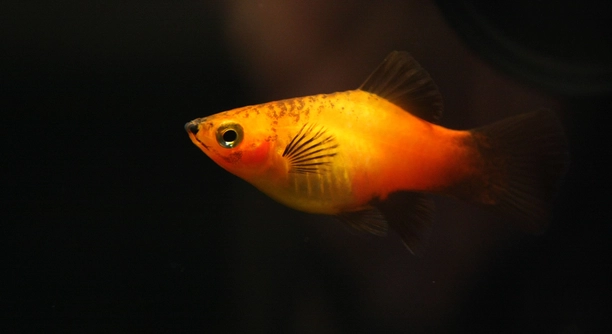
Active platies are lively fish that need proper care to thrive. One important factor is the water temperature in their tank. Keeping the water at the right temperature helps maintain their health and activity levels.
The best water temperatures for active platies range between 72°F and 78°F (22°C to 26°C). This range supports their metabolism, immune system, and overall well-being, ensuring they remain vibrant and energetic in their environment.
Knowing the ideal temperature range can improve your platies’ quality of life and help you create a balanced aquarium setup.
Why Temperature Matters for Active Platies
Water temperature plays a crucial role in the health and behavior of active platies. These fish come from warm environments, so they need water that mimics those conditions. When the water is too cold, platies become less active and may stop eating, which affects their growth. Too warm, and the oxygen level in the water drops, making it harder for platies to breathe. Temperature also affects their metabolism and immune system. Maintaining a steady temperature between 72°F and 78°F helps platies stay energetic and healthy. Sudden temperature changes can cause stress, leading to illness or shorter lifespans. It’s important to use a reliable aquarium heater and thermometer to keep the water stable. Regular checks prevent problems before they start, ensuring platies live comfortably in their tank environment.
Keeping the temperature stable avoids stress, which supports your platies’ immune defenses and activity levels.
A good aquarium setup includes monitoring tools that keep water conditions steady. Automatic heaters with built-in thermostats are helpful. Avoid placing the tank near windows or vents where temperature fluctuates. Proper water circulation also spreads heat evenly. If you add new fish or do water changes, make sure the new water matches the tank’s temperature. This care routine keeps platies safe from temperature shocks and supports their natural behavior.
Signs Your Platies Are Uncomfortable with Their Temperature
Platies may show signs of discomfort when water temperature is off. These signs include sluggish swimming, hiding more often, or losing appetite. If the water is too cold, platies might stay at the bottom of the tank, moving very little. When the water is too warm, they may gasp at the surface due to low oxygen. Their colors can fade, and they might become more prone to diseases. Watching your fish daily helps catch these signs early.
Temperature issues can reduce activity and make platies vulnerable to illness.
If you notice changes in your platies’ behavior or appearance, start by checking the water temperature. Adjust the heater as needed to bring it back into the ideal range. Avoid sudden temperature swings by gradually adjusting the water. Keeping the temperature steady improves your fish’s appetite and energy. Along with temperature, maintain clean water and a balanced diet to support their health. Proper care helps active platies thrive and show their best colors and behaviors. Monitoring and adjusting water temperature is one of the simplest ways to ensure your fish remain lively and healthy in your aquarium.
Maintaining Consistent Water Temperature
Keeping the water temperature consistent is essential for platies’ health. Sudden changes can stress the fish and weaken their immune systems, making them prone to illness.
Using a reliable aquarium heater with a thermostat is the best way to maintain steady temperatures. Place the heater where water flow can distribute heat evenly. Regularly check the temperature with a separate thermometer to ensure accuracy. Avoid placing the tank in direct sunlight or near air conditioners, as this can cause fluctuations. Gradual water changes also help prevent sudden temperature shifts. Consistency helps your platies stay active and healthy over time.
If you notice the temperature fluctuating often, it may be time to upgrade your heater or adjust the tank’s location. Investing in quality equipment protects your fish and reduces stress, which supports their overall well-being.
Effects of Temperature on Platies’ Behavior
Platies are sensitive to temperature changes, and their behavior reflects their comfort level. At optimal temperatures, they are active, swim freely, and display bright colors. When water is too cold, they slow down, eat less, and may hide more often. High temperatures can cause rapid breathing and restlessness as oxygen levels drop. Consistent warmth keeps their metabolism balanced, supporting growth and reproduction.
Temperature directly influences platies’ energy and social interaction. In stable conditions, they tend to be more curious and interactive with their environment. Fluctuating or extreme temperatures can lead to stress behaviors like lethargy or aggression. Monitoring their behavior can provide early clues if the tank conditions need adjusting. Observing these signs helps you maintain an environment where platies thrive naturally.
Ideal Temperature Range for Active Platies
Active platies thrive best in water temperatures between 72°F and 78°F. This range supports their metabolism and keeps them energetic. Staying within this range reduces the risk of illness and stress. Consistency in temperature is just as important as the range itself.
Temperatures below 70°F slow their metabolism, while above 80°F can lower oxygen levels. Both extremes can harm platies over time.
How to Adjust Temperature Safely
When changing water temperature, do it gradually. Sudden changes can shock platies, causing stress or illness. Adjust the heater in small increments over several hours or days. When adding new water, ensure it matches the tank’s temperature to avoid shocks.
Using Heaters and Thermometers
Investing in a reliable heater with a thermostat is essential. It helps maintain steady temperatures without constant monitoring. A separate thermometer is also useful to double-check the water temperature and catch any heater malfunctions early.
Effects of Cold Water on Platies
Cold water slows platies’ activity and digestion, which can lead to health problems if prolonged.
FAQ
What is the best water temperature for active platies?
The ideal water temperature for active platies is between 72°F and 78°F (22°C to 26°C). This range supports their metabolism and keeps them healthy and energetic. Temperatures outside this range can cause stress or illness, so maintaining a steady temperature within this window is important.
Can platies live in colder water?
Platies can survive in cooler water, but temperatures below 70°F (21°C) slow their metabolism. This makes them less active and can lead to digestive issues or weakened immune systems over time. It’s best to keep the water within their preferred temperature range for long-term health.
What happens if the water is too warm for platies?
When water temperature rises above 78°F, oxygen levels decrease, which can cause platies to breathe rapidly or gasp at the surface. Prolonged exposure to high temperatures stresses the fish, making them vulnerable to diseases and reducing their lifespan.
How do I safely change the temperature in my platies’ tank?
Always adjust temperature gradually. Sudden changes can shock your platies and cause illness. When raising or lowering temperature, change it by 1–2 degrees per day until you reach the desired level. Also, ensure any new water added matches the tank’s temperature to avoid sudden shifts.
Do I need a heater for my platies’ tank?
Yes, a heater is highly recommended, especially if your room temperature fluctuates or is below the ideal range. A heater with a built-in thermostat helps maintain a stable temperature, which is crucial for platies’ health and activity.
How often should I check the water temperature?
It’s best to check the water temperature daily or at least several times a week. Use a reliable thermometer to confirm the heater is working correctly and that the temperature stays consistent. Regular checks prevent temperature-related problems before they become serious.
Can temperature affect platies’ breeding?
Yes, temperature plays a big role in platies’ breeding. Warmer water within the ideal range encourages spawning and supports healthy fry development. Too cold or too warm water can stop breeding or cause eggs and fry to suffer.
What other factors should I consider besides temperature?
Besides temperature, water quality, pH levels, and tank size are important. Platies need clean, well-filtered water with a pH between 6.8 and 8.0. Proper nutrition and a stress-free environment also help maintain their health and activity.
How do temperature changes affect platies’ behavior?
Platies become less active and may hide when water is too cold. In warmer water, they may become restless or gasp for air. Watching their behavior can help you detect temperature problems early and adjust the tank conditions accordingly.
Is it okay to keep platies with other fish in the same temperature range?
Platies do well with many tropical community fish that thrive in similar temperatures (72°F to 78°F). Keeping fish with compatible temperature needs helps maintain a stable environment and reduces stress for all tank inhabitants.
Maintaining the right water temperature is key to keeping active platies healthy and happy. These fish do best when the water stays between 72°F and 78°F. This range supports their natural metabolism, helps them stay energetic, and keeps their immune system strong. When the temperature moves outside this range, platies can become stressed, less active, or even get sick. Consistency is just as important as the temperature itself. Sudden changes can shock the fish and cause health problems. Using a good heater with a thermostat and regularly checking the water temperature helps create a stable environment for your platies.
It’s also important to watch your platies for signs that the water temperature might be wrong. When the water is too cold, platies may swim slowly, hide, or stop eating. Too warm water can cause them to breathe quickly or gasp at the surface because of low oxygen. Changes in their colors or behavior can also show discomfort. Catching these signs early gives you a chance to adjust the temperature before problems get worse. Along with keeping the right temperature, clean water, proper feeding, and a safe tank setup will support your platies’ health. Every small step helps your fish live a longer, more active life.
Finally, keeping your aquarium temperature steady is not hard once you have the right equipment and routine. A reliable heater, a separate thermometer, and placing the tank away from windows or drafts all help. When you do water changes, make sure the new water matches the tank temperature to avoid shocking the fish. By paying attention to these details, you create a comfortable home for your platies. They will reward you by staying lively, showing their best colors, and growing strong. Taking care of temperature shows you care about their well-being and helps your aquarium thrive.

Hello,
If you enjoy the content that we create, please consider saying a "Thank You!" by leaving a tip.
Every little bit helps us continue crafting quality advice that supports the health, happiness, and well-being of pets around the world, for pets of all shapes, sizes, and species.
We really appreciate the kindness and support that you show us!